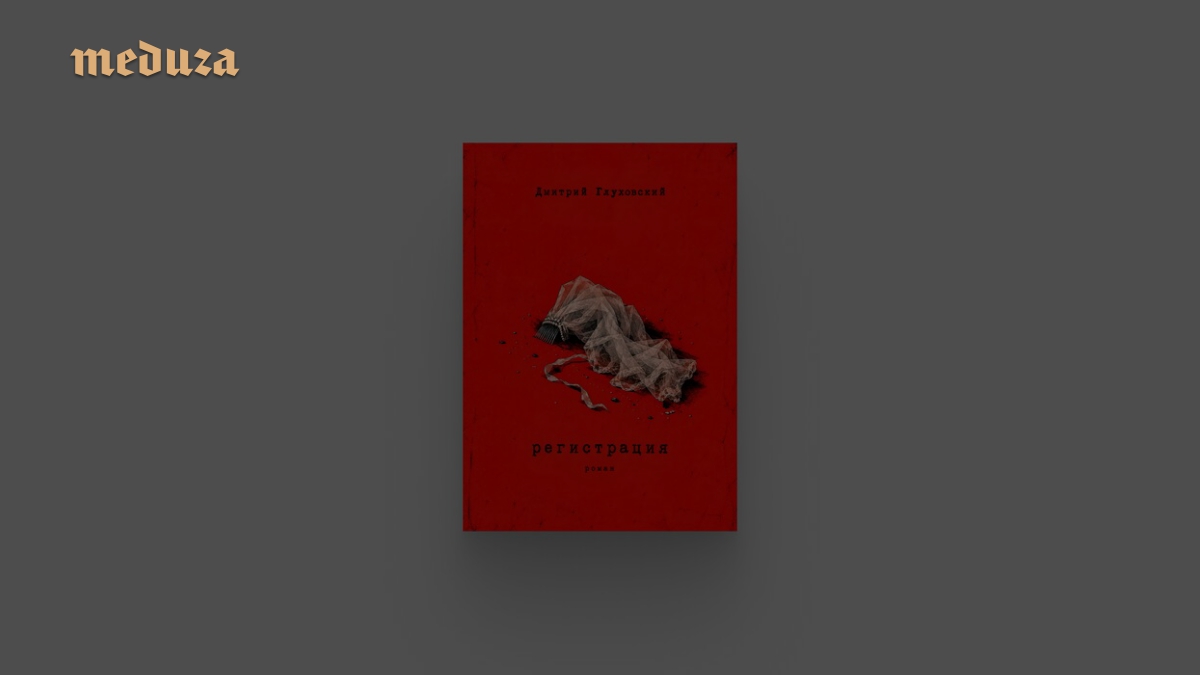
Dmitry Glukhovsky released his new novel, “Registratsiya” (“Registration”), for free online on September 17. Set in the 2020s amidst wartime Russia, the story revolves around Ulyana, the pregnant girlfriend of a contract soldier named Sasha, who is trying to marry him quickly to secure benefits. The novel has sparked considerable debate on social media, with some readers criticizing Glukhovsky, an émigré since 2022, for his harsh judgments of those who remained in Russia.
Read More
Literary critic Liza Birger offers an analysis of Glukhovsky's portrayals of the characters in “Registration.” The prevailing sentiment in Glukhovsky's work echoes a century-old sentiment expressed by Nadezhda Teffi, where the question “What do we do?” reflects the sense of despair and bewilderment faced by individuals in tumultuous times.
Glukhovsky is known for exploring themes of horror and transformation, which he has done since before his own label as a pariah in Russia—being listed as a “foreign agent” and sentenced in absentia to eight years in a penal colony in 2023 for an antiwar post. His previous works, such as “Metro 2033” and “Tekst,” delve into the surreal and terrifying aspects of Russian reality.
“Registration” opens with a depiction of what seems like ordinary life in Vologda, where Tatyana, Sasha's mother, organizes their new apartment while he is off fighting. The narrative soon reveals the harsh reality when Sasha goes missing in the war, discovered later in a Moscow hospital without his legs. Ulyana rushes to marry him to secure benefits for their child, facing bureaucratic hurdles along the way.
The characters include Ulyana's relatives, Maksim and Marina, who represent Moscow’s intelligentsia and navigate their own moral compromises. Their experiences highlight the disconnect between life in war-torn Russia and those living away from the conflict.
Critically, Glukhovsky's narrative also touches on gender dynamics. While men initiate and fight wars, the novel illustrates how women adapt and respond to the circumstances created by such conflicts. Ulyana's struggle for recognition and aid underscores this theme, making her transformation throughout the novel particularly striking.
The book’s conclusion resonates with the reality of living through a war that feels never-ending. Glukhovsky's writing seeks not just to criticize the actions of individuals but to comprehensively register the experience of waiting and surviving amidst chaos. He continuously questions the moral implications of both émigrés and stayers, emphasizing that everyone plays a role in the collective narrative of suffering and survival in contemporary Russia.
Glukhovsky's efforts to produce a relevant and relatable tale, even from abroad, reflect a broader artistic endeavor to document the complexities of Russian life under current conditions. “Registration” is not merely an indictment of those who stayed but rather an exploration of an entire society grappling with profound turmoil.