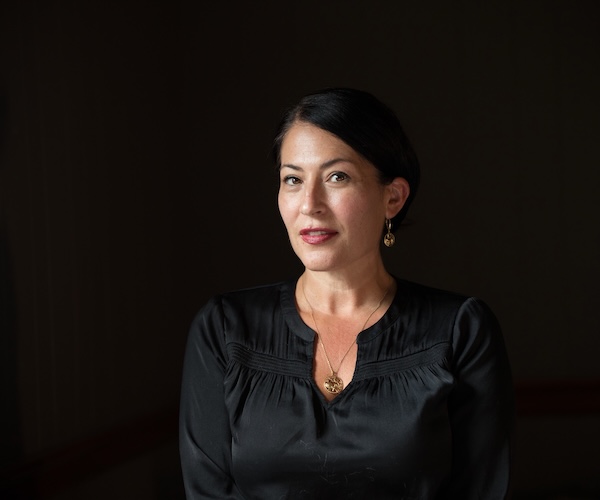
In her concise book "Against Breaking: On the Power of Poetry," Ada Limón asserts the significant role of poetry in a world where clarity often eludes us. Released after her appointment as the 24th poet laureate of the United States in 2022, the 56-page work reflects her commitment to making poetry more accessible in various locations across the country, including parks and coastal areas.
Read More
Limón draws parallels to Robert Pinsky's approach of interviewing audience members about their favorite poems, noting her decision to select specific poets for her project, "You Are Here: Poetry in the Natural World." Despite this intent, she struggles to provide a definitive explanation for what she loves about poetry. For instance, she claims, "When clarity is hard to come by... I put my faith in poetry," invoking a theological term that may suggest a complexity not inherent to the poetic experience itself.
The book includes statements such as, "If everything we know about the world is true, then we will all die one day," which raises questions about the established truths in life and death, implying a shared human awareness beyond the realm of poetry alone. When contemplating questions like "What is a poem?" Limón defaults to philosophical vagaries rather than engaging in deeper exploration of poetic forms and what they convey.
While Limón emphasizes the emotional resonance of poetry, her assertions sometimes come off as overly broad. She implies a universal love for all poetic forms, sidestepping the opportunity to discuss her own contributions to poetry. Phrases like poetry being formed "in the cement mixer of the soul" lack precision or clarity.
Her poem "What I Didn’t Know Before" presents a metaphor linking the birth of a colt to romantic love, yet it lacks the strong conclusions found in some of history's great poems, which often challenge or declare rather than simply pose questions. Limón's approach to poetry may miss an opportunity to appreciate its historical depth and rhetorical complexity.
In quoting Stanley Kunitz, Limón claims that his work aids her daily motivation, but this juxtaposition may further highlight the tension between her intentions and execution in articulating poetry's impact. Ultimately, while Limón celebrates the emotional strength of poetry, this brief book does not sufficiently illuminate its profound capabilities.