A joint study by the University of Florida and University College London projected that only about 16% of Americans read for pleasure daily in 2025. Additionally, a 2023 report from the National Endowment for the Arts indicated that less than half of U.S. adults read a single book in the past year. Evidence of a literacy crisis is further highlighted by the fact that 56% of adults in the U.S. read below a substantial literacy level, and nearly half of third graders in Utah are not reading at grade level.
Read More
Despite these troubling statistics, bookstores are experiencing a resurgence. The American Booksellers Association reported 605 new bookstores opened across the country in 2025, including a mix of brick-and-mortar, pop-up, mobile, and online formats. Utah has seen at least seven new bookstores launch in the past year alone, with a total of 21 in the last five years, according to the Mountains & Plains Independent Booksellers Association. This paradox between a literacy crisis and a boom in bookstore openings has emerged as consumers increasingly seek in-person connections and experiences.
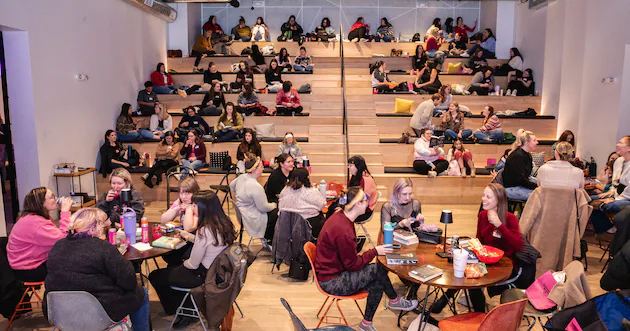
One such example is Bookish SLC, founded by sisters Whitney and Amanda Warren over two years ago, which aims to transform reading into a “social sport.” The business hosts frequent “reading parties” where attendees can socialize, engage in activities, and read together, drawing 100-200 participants to events where they might enjoy audiobooks, physical books, or even work on puzzles. Amanda emphasizes the importance of personal connections, stating, “Connecting someone via screen and your thumbs is so different than looking at someone’s eyes and using your voice.”
The Warren sisters also support local bookstores through promotions and events such as the Bookstore Crawl, which incentivizes patrons to visit various bookstores across the state. Their upcoming Salt Lake Book Festival, scheduled for October 16-17, will feature various activities aimed at encouraging reading among all age groups. “We’re really trying to take a lot of the gatekeeping out,” Warren explained.
Retail analyst Elizabeth Lafontaine highlighted a notable trend, stating that in a digital-centric world, consumers increasingly seek physical spaces for social interaction. Bookstores have taken notice, creating a “third space” for community engagement. Whitney Gallegos, co-owner of Poppy Books and Gifts, shared that her store originally aimed to be a communal hub through book clubs and events. Nicole Trahan, owner of The Romantics Archive, also prioritized creating a space for community gatherings when establishing her bookstore.
For Olivia Nightingale, who runs the online bookstore Crowne Books, the objective extends beyond creating a comfortable environment; she aims to develop a space that serves as a resource for underrepresented communities. Events connected to cultural issues, such as mentorship for new dads, illustrate her commitment to community support.
To sustain their businesses, bookstores are diversifying revenue streams beyond book sales. Anne Holman of King’s English Bookshop noted the growing importance of merchandise like gifts and stationery, allowing bookstores to maintain inventory of titles that may not traditionally sell well.
Community support plays a vital role in this resurgence, with local bookstores frequently collaborating on events and sharing resources. Many bookstore owners report a sense of camaraderie among their peers. Nightingale, for example, noted the support she received from established booksellers as she launched her pop-up shop.
Amid these shifts, a growing number of niche bookstores specializing in specific genres have emerged, demonstrating that targeted offerings can still contribute to collaboration and mutual support in the bookselling community.
Ultimately, the rise in bookstore openings reflects a sustained interest in fostering community connection, even as literacy rates face ongoing challenges. Oliva Nightingale observed this phenomenon as a growing “literary boom” in Utah, remarking, “I feel like there’s kind of a literary boom in Utah, and bookstores are just a part of that story.”