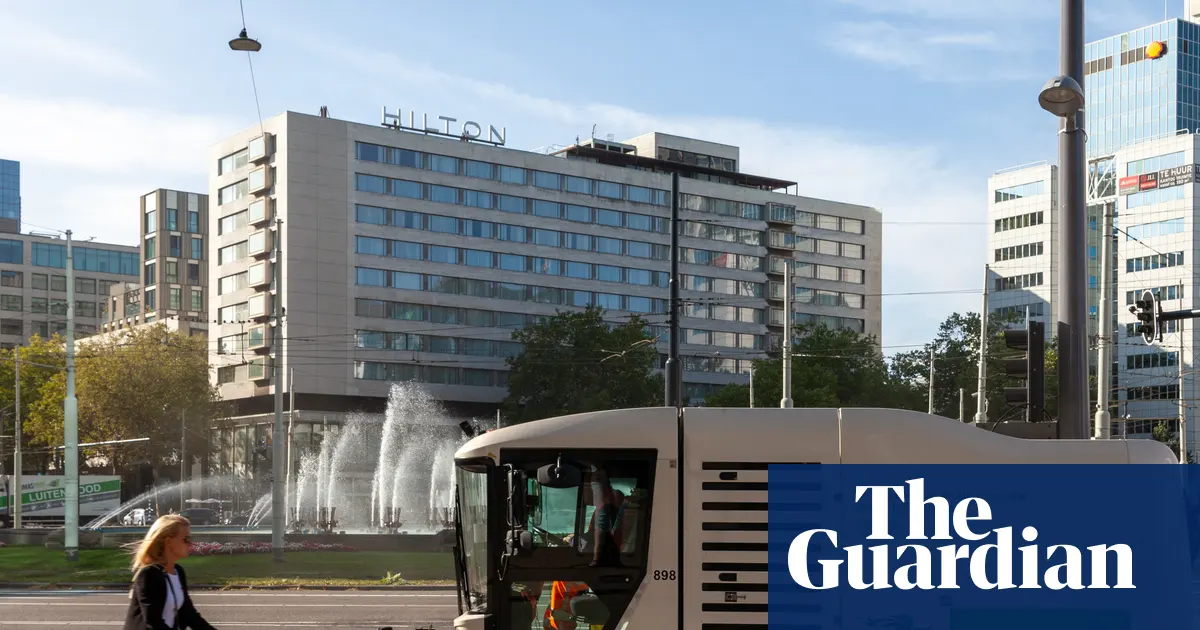
Rotterdam, known for its migration history and modern architecture, is receiving recognition for its unique practice of printing poetry on waste collection vehicles. This tradition originated from a poetry festival in 1988 and has now been elevated to intangible cultural heritage status by a Dutch organization that safeguards national traditions.
Read More
Joan Nunnely, the deputy mayor for culture, community and language, commented on the initiative, stating, "Since 1988, poetry has been travelling through Rotterdam on our bin lorries. You see it as you cycle to work or wait for a lorry to pass. Sometimes you read a line that stays with you for the rest of the day. What started as a quirky idea has become part of our city."
The Rotterdam municipality celebrated the intangible heritage designation by unveiling newly decorated poetry trucks. Proponents of the program highlight that it makes culture more accessible. Nunnely noted, "Sometimes people think about culture as something only for those with a theoretical education. This is one way to bring poetry to all Rotterdammers."
For waste collection workers like Paul Keijzer, who has driven bin lorries since 1988, poetry adds an emotional connection to the city. He remarked that while some people appreciate the poetry, others express confusion over specific lines. His truck currently features a poem by Neeltje Maria Min:
"Hoe langer ik terugkijk hoe
Strakker de knoop in de tijd."
This translates to: "The longer I look back the
Tighter the knot in time."
Diana Chin-A-Fat, director of Poetry International, explained the initiative's importance to the city’s culture. She noted, "It’s become so much a part of the city. Every Rotterdammer recognizes it. Every Rotterdammer reads it. It’s unique."
Poet Derek Otte highlighted how this initiative helps define Rotterdam's modern identity, contrasting it with other Dutch cities. He expressed that the blending of poetry with the everyday sight of garbage trucks elevates mundane experiences into meaningful reflections. His own poetry is now displayed on the fleet:
"Van stenen gaat een stad de hoogte in
De mensen geven diepte."
This translates to: "Stones build a city high.
The people give it depth."
The Dutch Centre for Intangible Cultural Heritage documents over 400 unique cultural practices in the Netherlands, including this poetic tradition. The center encompasses a variety of customs, from the Pride Amsterdam festival to the preservation of traditional sheep herding.