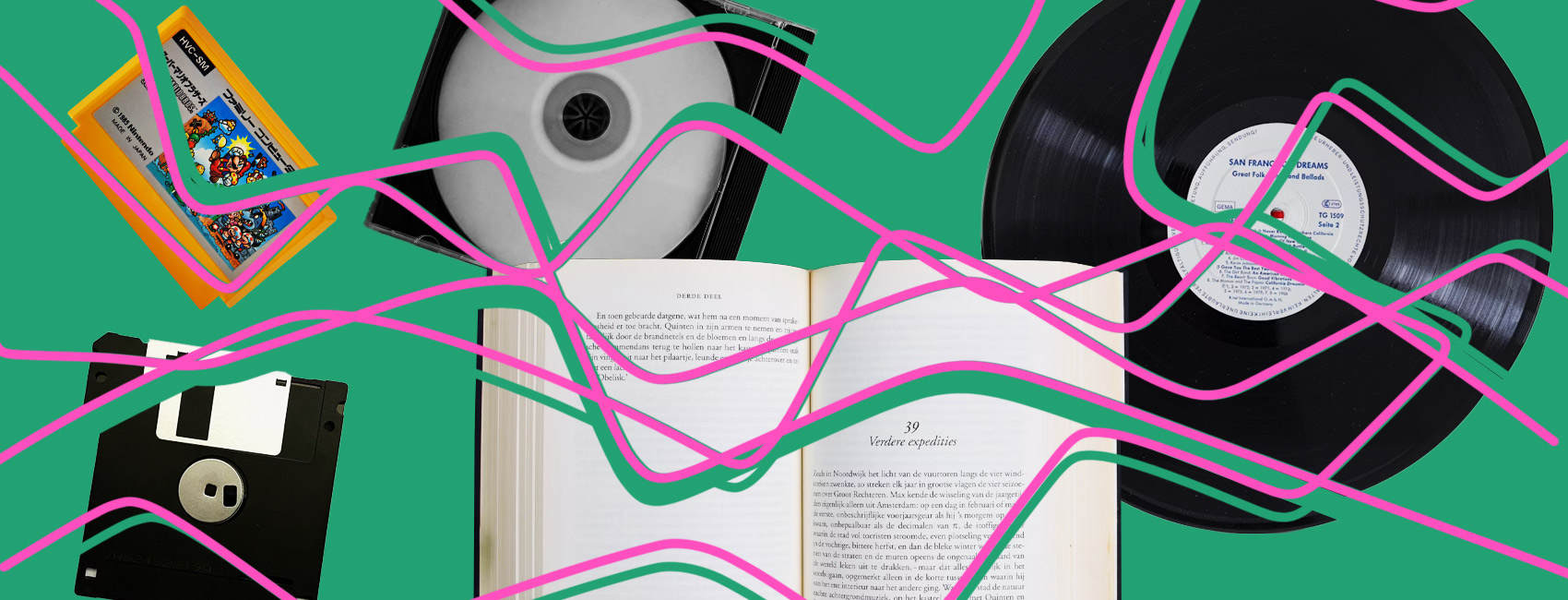
Sony Interactive Entertainment will cease production of physical game discs for new PlayStation consoles starting January 2028. This decision, announced in July 2026, excludes titles already released or scheduled for disc release, which will continue to be available. Future titles will only be sold in digital format on the PlayStation Store or through retail download codes, though it remains unclear if other platforms will be allowed to distribute PlayStation products digitally.
Read More
The shift towards digital distribution in the video game industry has grown over the past two decades, mirroring trends seen in the film sector where DVDs and Blu-rays have given way to streaming services. Sony has noted that approximately 80% of full-game sales in fiscal year 2025 were digital, which influenced its decision to cut disc production. This transition is also aimed at reducing costs linked to manufacturing and logistics.
Despite the dominance of digital sales, there is significant consumer concern over the loss of physical copies. Many gamers continue to value the ability to own physical games that can be shared, resold, or played offline without permission from digital distributors. The recent experiences of titles like Ubisoft’s The Crew, which required a constant internet connection and ceased to function after server shutdowns, underscore these concerns. The campaign Stop Killing Games, launched by video blogger Ross Scott, argues for the necessity of ensuring that games can remain playable even after developer support ends.
Separately, the Stop Destroying Videogames initiative has gathered over 1.29 million valid signatures in the EU. However, the European Commission has opted not to enforce obligations on developers to keep games available, instead planning to facilitate discussions between industry representatives and consumers regarding the management of digital game lifecycles.
In contrast to the ongoing discussions in gaming, the publishing industry has not seen the same rapid transition to digital formats. Despite ongoing predictions of a decline in paper books, the market has shown resilience, with print publications generating significant revenue. In the UK, for example, print books accounted for £2 billion out of a total £2.5 billion in consumer book publishing revenue in 2024.
This indicates a shift in consumer preference towards the coexistence of physical and digital formats. Nostalgia and a desire for tangible media seem to fuel the enduring popularity of physical books and collectibles.
The situation highlights broader questions about ownership and access in both the gaming and publishing sectors. While digital formats provide convenience and accessibility, they also offer limited rights compared to physical copies that can be gifted or shared freely. As the gaming industry moves towards full digitization, there remains significant debate about the implications for user rights and access to content.
The ongoing changes in both industries signal a critical juncture for consumers, prompting discussions on what it means to truly own a digital product. As initiatives seek to ensure consumer rights in the face of evolving digital landscapes, the publishing industry might consider how to uphold ownership principles as it navigates the dual realms of physical and digital formats.