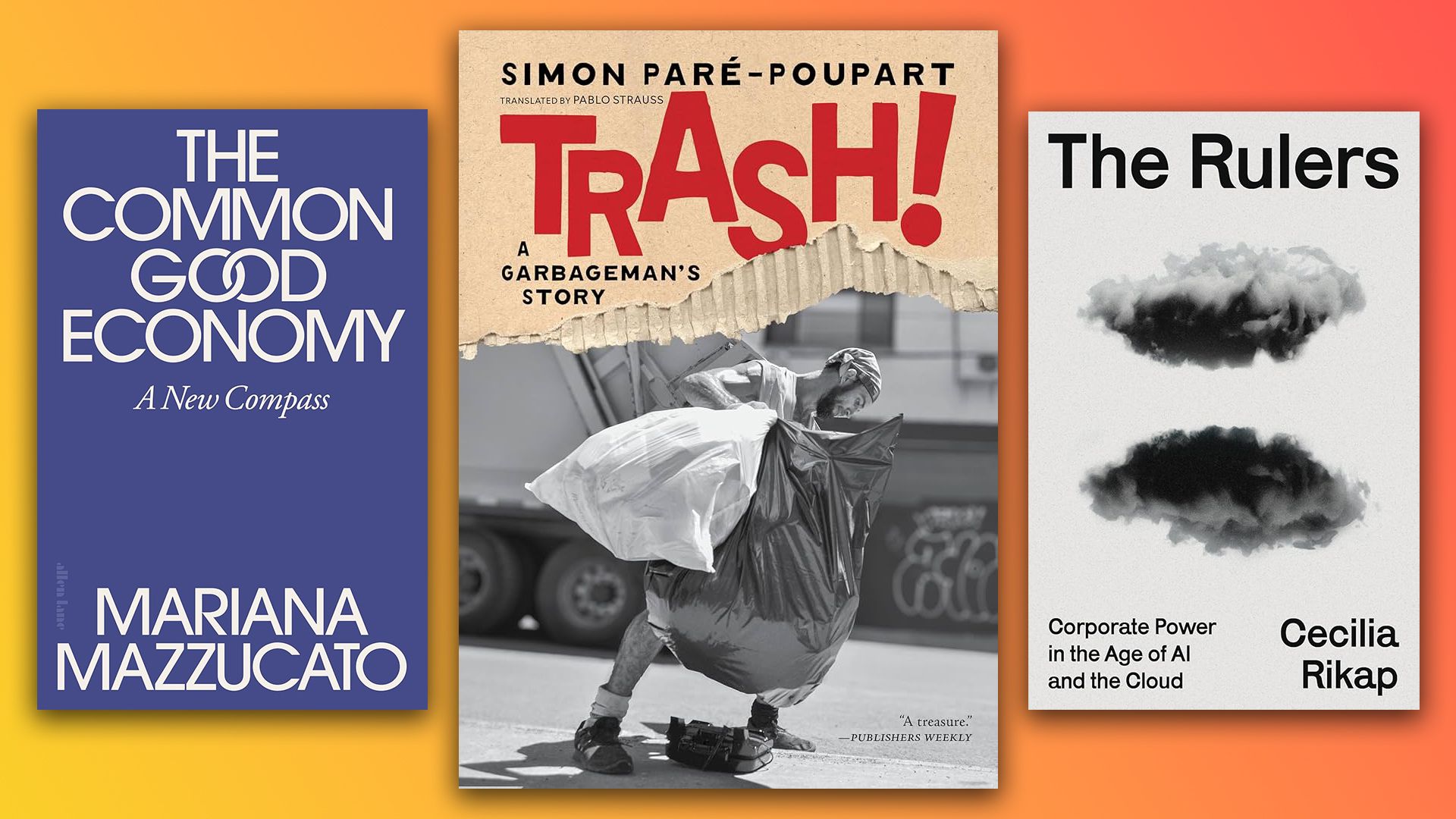
Several noteworthy non-fiction titles are making waves this summer, exploring diverse topics from labor rights to cultural critiques. Among them is Simon Paré-Poupart's *Trash! A Garbageman’s Story*, a bestseller in Canada that provides an insightful look into life as a garbageman in Montreal. Paré-Poupart shares vivid stories from his work, tackling themes like class and overconsumption while citing literary figures like Victor Hugo and Balzac.
Read More
Mariana Mazzucato’s *The Common Good Economy* presents a comprehensive vision for restructuring economies to serve all citizens. Drawing from history, indigenous knowledge, and ecological systems, Mazzucato offers a framework for achieving a "common good" economy, emphasizing that policy should actively shape markets. She explores successful models from around the world, including public wealth funds and community initiatives.
In *The Cruelest Game*, journalist Matthew Futterman dives into the psychological and physical demands faced by top tennis players. Through interviews with renowned athletes and their coaches, he highlights the pressures of the sport and the mental fortitude required to succeed.
Carlos Barragan's *The Yahoo Boys* takes a thrilling look at internet scams in Nigeria, focusing on a group of young men navigating the complex world of online deception. Barragan's narrative blends personal anecdotes with broader themes of economic challenges and cultural customs.
*When The Revolution Comes* by Chris Smalls chronicles his experiences as the leader of the first Amazon warehouse union in the U.S. The book blends personal and political narratives, emphasizing the importance of grassroots organizing in the face of corporate resistance.
In *A British Childhood*, Frank Cottrell-Boyce reflects on two years spent advocating for children's literacy in the UK. He addresses the impact of austerity on children's lives, framing his observations with personal stories and calls for greater investment in education and social welfare.
Ione Gamble's essay collection, *The Polyester Book of (Bad) Taste*, showcases a range of contemporary voices exploring taste and culture. The eclectic mix of contributors offers quirky, insightful commentary on various topics within the realm of aesthetics.
Kojo Koram’s *The Next Fix* examines global drug policy and the need for reforms that prioritize community welfare over corporate interests, providing a compelling argument for more humane approaches to drug legislation.
*Cecilia Rikap's The Rulers* critiques the dominance of Big Tech in academia, detailing how major companies like Microsoft and Google influence research and innovation, often sidelining ethics and public interest.
Finally, Tony Lee Moral's *A Century of Hitchcock* delves into the myths surrounding Alfred Hitchcock’s legacy, particularly in relation to actress Tippi Hedren, offering a thorough analysis that invites readers to explore differing narratives around the famed director.