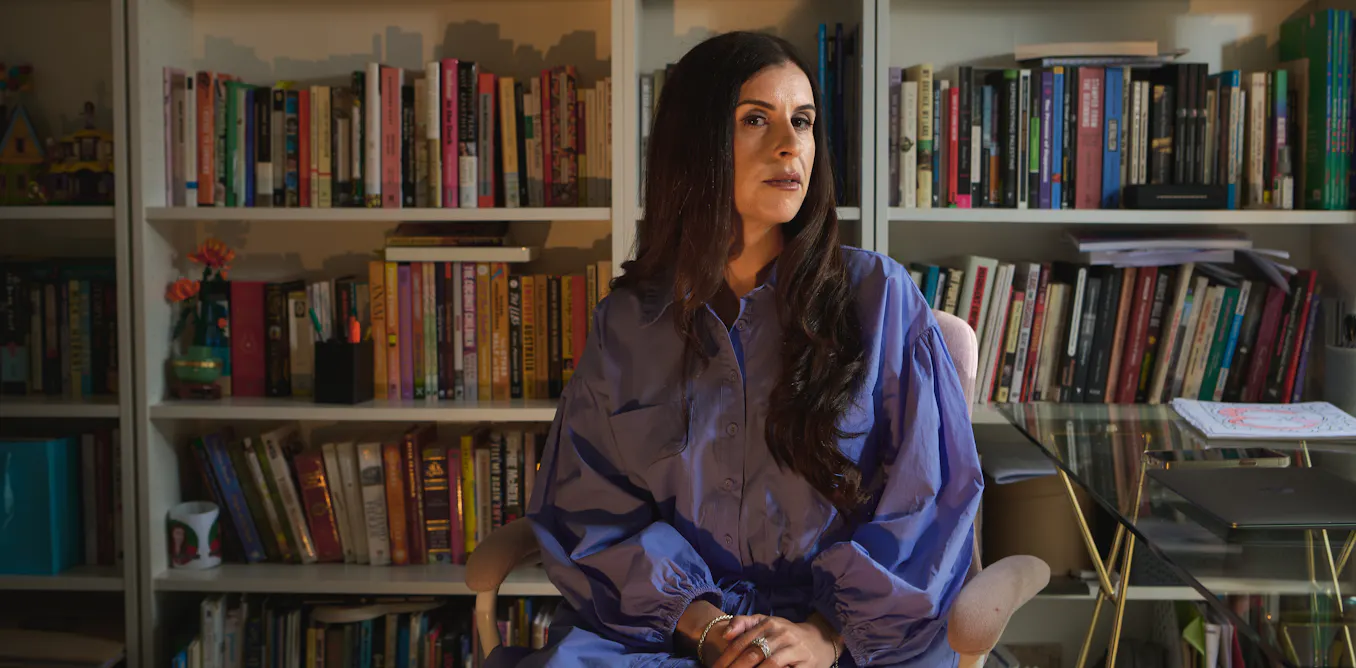
For over 65 years, Adelaide has hosted Australia’s longest-running literary festival, but this year, around 180 authors, including Dr. Randa Abdel-Fattah, boycotted Adelaide Writers Week due to the board's decision to withdraw her invitation. Consequently, the festival was canceled.
Read More
Despite the cancellation, Abdel-Fattah will still participate in Adelaide this March during a community-organized event called Constellations: Not Writers Week. She will engage in a conversation with former Writers’ Week director Louise Adler, who resigned amid the controversy. The event will feature programs highlighting Blak and Arab writers, children’s activities, and a mini poetry festival, although it will not be on the scale of Writers’ Week.
This development follows the cancellation of an Australian writers festival last year and the early closure of another. The literary festival landscape in Australia faces challenges from cultural conflicts, climate change, new hate speech legislation, and persistent funding shortages. Recently announced funding programs by Writing Australia, including a Writers’ Festival Author Travel Fund, aim to address some of these issues, underscoring the importance of these festivals to the literary ecosystem.
Adelaide Writers’ Week, established in 1960, traditionally launches Australia’s literary festival year in late February and early March. Being largely free, it attracts larger crowds compared to other festivals, drawing 160,000 attendees last year. Other significant festivals like the Sydney and Melbourne Writers Festivals, which take place in May, consistently welcome over 100,000 visitors. The NT Writers Festival showcases First Nations writers and alternates venues between Darwin and Alice Springs.
Controversies at literary festivals are not uncommon. Past issues include Michael Cathcart's use of offensive language during a 2017 interview at the Sydney Writers’ Festival and Yassmin Abdel-Magied’s walkout during Lionel Shriver’s keynote address at the Brisbane Writers Festival in 2016. The Bendigo Writers Festival was notably canceled in 2025 after a mass author boycott over a last-minute author conduct code regarding antisemitism.
The cancellation of Adelaide Writers’ Week this year, following pressure from South Australian Premier Peter Malinauskas, resulted in the board’s resignation and a renewed invitation to Abdel-Fattah for 2027.
New funding initiatives from Writing Australia include a A$2 million Australian Publishing and Promotion Fund for independent publishers, but the financial viability of festivals remains uncertain. Authors, who receive modest appearance fees, benefit from book sales and exposure, yet festival budgets strain from high costs including insurance and venue expenses.
Climate change poses a growing threat to outdoor festival programming, as evidenced by extreme weather affecting events like the Byron Writers Festival. Additionally, new hate speech laws could lead to increased caution among festival organizers, impacting their programming decisions. These dynamics mean donors might also influence festival direction, as seen when Minter Ellison withdrew funding due to programming choices involving Palestinian authors.
For Australian writers’ festivals to thrive amid these challenges, substantial government investment is necessary. Compared to arts funding in other developed nations, current support is minimal. Proactive measures, including independent funding free from political influence, could help sustain and grow the literary sector.