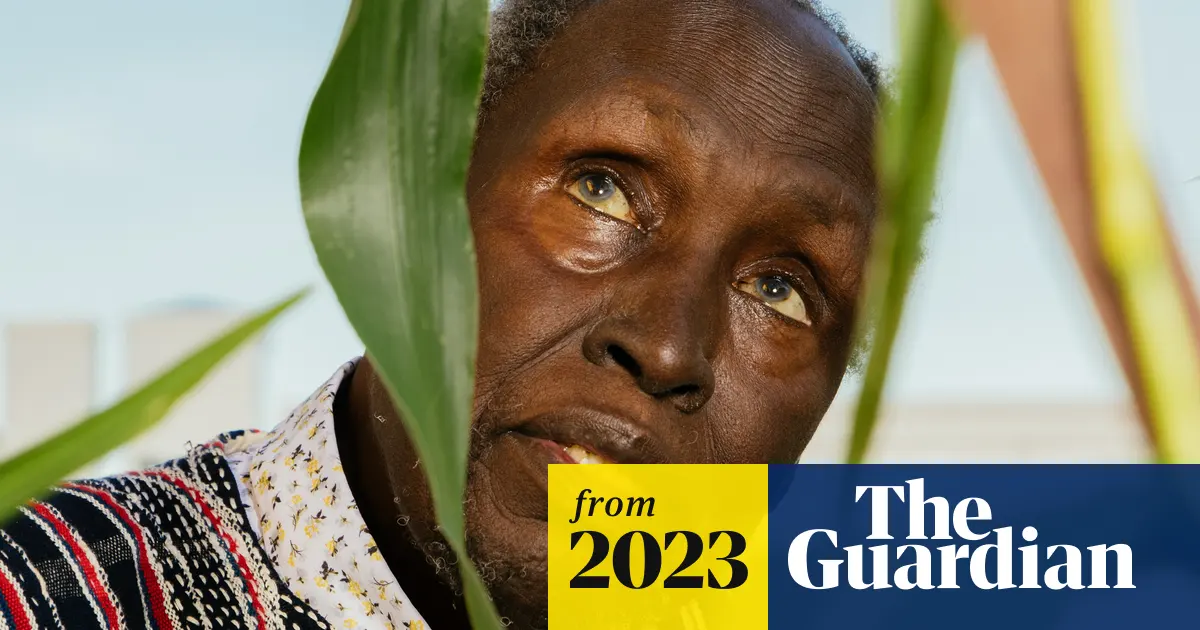
In October, I traveled to Irvine, California, to meet Ngũgĩ wa Thiong’o, a significant figure in African literature. After weeks in the cold Iowa weather, the warmth of California felt refreshing. As I rode in a taxi, the contrast between the bustling streets filled with massive trucks and the scent of the nearby ocean was striking.
Read More
Ngũgĩ wa Thiong’o is regarded as a titan of African storytelling, sharing this distinction with notable contemporaries like Chinua Achebe and Wole Soyinka. Emerging during the literary renaissance of the 1950s and 1960s amidst the twilight of colonial rule, Ngũgĩ's writing has often been characterized by its piercing critique of both colonialism and the subsequent shortcomings of Kenya’s leadership post-independence.
My journey with Ngũgĩ began long before this meeting. I first encountered his work at the age of six through a children’s book he authored, and my admiration deepened with a worn copy of The Trial of Dedan Kimathi, a play co-written with Micere Githae Mugo, which I discovered on my grandfather's bookshelf. The narrative of Kimathi, a key figure in Kenya’s independence, captivated me deeply.
Throughout high school, his works were essential to our curriculum. An uncle wrote extensively about Ngũgĩ, focusing on his revolutionary efforts at the University of Nairobi in the late 60s, where he advocated for the inclusion of African literature over English literature. This passion led me to pursue my studies at the University of Nairobi, following in the footsteps of Ngũgĩ's legacy.
Ngũgĩ’s life intersects with major historical events, from colonial repression to subsequent struggles for democracy and justice in Kenya. Born in 1938, he grew up in the midst of Kenya's fight for independence and later faced imprisonment for his outspoken views. After his release, he continued to write and lecture, eventually settling in the United States, where he has taught for three decades.
During my visit, I was welcomed into his home for what turned out to be an intimate portrait of an extraordinary man, now 84 and in declining health. Despite his situation, Ngũgĩ exuded warmth as he shared his thoughts on literature, politics, and identity over meals and casual conversations.
Ngũgĩ, who began his literary career writing in English, shifted to composing in Gĩkũyũ, his native language. He expressed a sense of urgency about the importance of African languages, arguing that the legacies of colonial rule continue to shape education and literature today.
While conversing about the changes in Kenyan music, Ngũgĩ noted the cultural shifts that have allowed songs in local languages to achieve mainstream success—something unimaginable during his youth. Yet he remains critical of those who write in colonial tongues, stating it perpetuates a cycle of cultural subjugation.
As we explored themes of language, class, and identity, Ngũgĩ articulated his belief that true expression in literature requires a return to indigenous languages—something he viewed as a radical departure from the accepted norms of postcolonial literature.
Our discussions also delved into his personal history, including the violence that shaped his family amidst the colonial struggle and the impact of land ownership issues, integral to Kenyan politics, on their lives.
By the end of my time with him, I was left with a profound respect for Ngũgĩ wa Thiong’o—not just as a literary figure but as a relentless advocate for justice and authenticity in African storytelling. Our conversations resonated with the broader conversations about the future of literature in Africa and the struggles against lingering colonial influences.
As I departed, Ngũgĩ reminded me of the importance of writing in Dholuo, emphasizing the need to engage with one’s cultural roots, a poignant reminder of his enduring influence and the ongoing conversations about identity in literature.