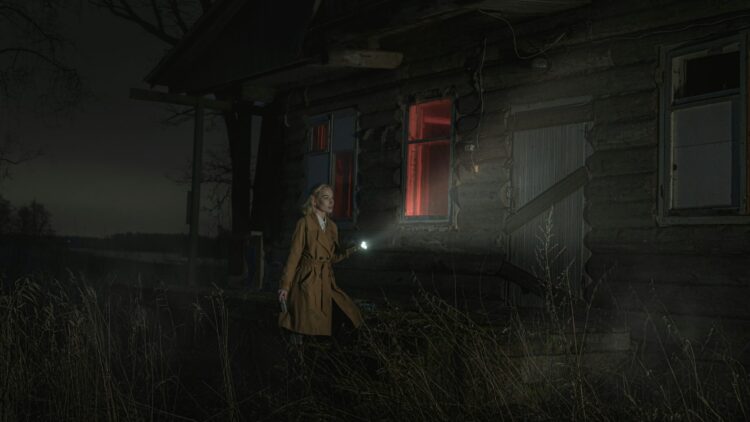
In a recent article, journalist and author Kim Cross shared her insights on the art of interviewing for narrative storytelling. She compares the process to searching in a dark warehouse with a versatile flashlight, emphasizing the need for a methodical approach to uncovering pivotal moments and details.
Read More
Cross explains that the initial stages of interviewing involve casting a wide net to explore possibilities within a story. This method allows writers to gradually hone in on specific elements as they gather information. As they locate significant details, the focus shifts to a tighter beam, enabling a deeper examination of those moments.
With nearly three decades in journalism, including a master’s degree and multiple narrative nonfiction books, Cross reflects on the importance of tailored interviewing techniques for different writing formats. She highlights the unique challenges posed by "reconstructed narratives," which require vivid portrayals of past events that cannot be witnessed.
In her experience, interviewing for narrative involves distinct phases: first, pre-interviewing to develop a story idea and identify key characters; second, interviewing to outline the story arc and central conflicts; third, constructing a timeline of pivotal moments; and finally, interviewing for scenes to create a cinematic structure.
Cross plans to further elaborate on these stages in upcoming posts, drawing from her work and insights from other narrative writers.
Kim Cross is the author of several works including "What Stands in a Storm" and teaches graduate-level Feature Writing at Harvard Extension School. She is also a founding instructor at the Hemingway Center’s Sawtooth Writing Retreat.