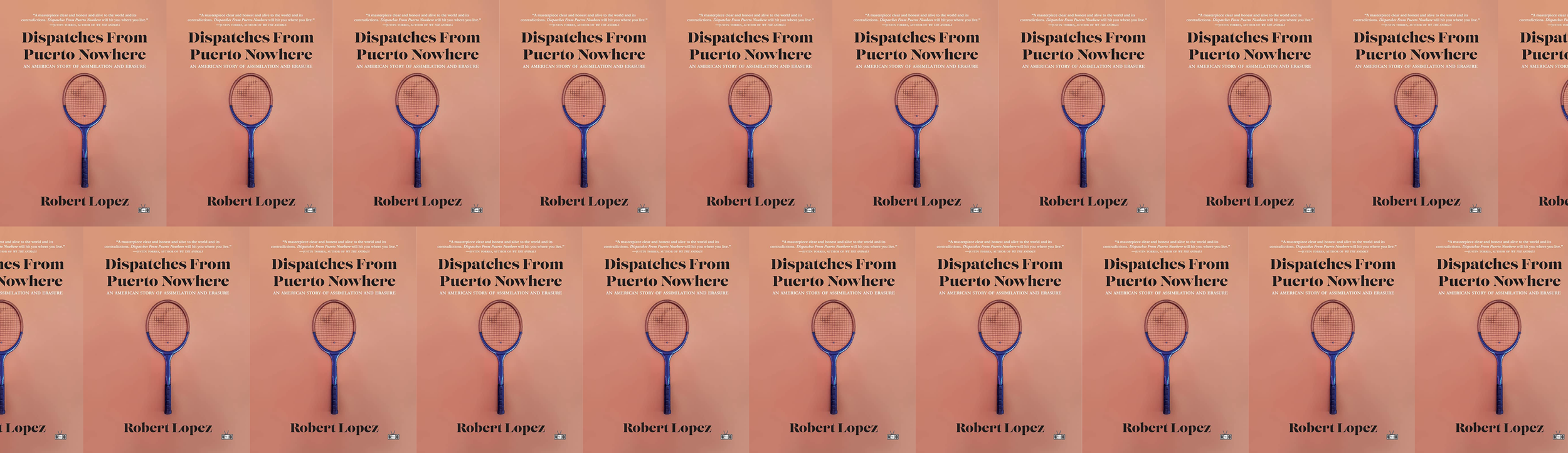
Robert Lopez’s new memoir, “Dispatches From Puerto Nowhere: An American Story of Assimilation and Erasure,” delves into the complexities of cultural identity and the feeling of being whitewashed in America. Lopez reflects on his grandmother's advice to learn Spanish to “rat out criminals on the subway,” suggesting a societal disconnect with his heritage.
Read More
In the memoir, Lopez expresses that “nothing was passed down— not language, not food, music, or family history,” portraying a sense of loss and “permanent amnesia” regarding his Puerto Rican roots. He adopts a fragmented, impressionistic writing style that combines personal reflection with historical research, highlighting his struggles to connect with his family's past and their immigration story from Puerto Rico to Brooklyn.
The book premiered at Greenlight Bookstore in Fort Greene on March 15, where Lopez read excerpts and discussed the work with writer and critic Touré. In an interview, Lopez shared insights about transitioning from fiction to memoir and the theme of American assimilation.
He noted that the discomfort of cultural erasure was something he couldn't explore in his fiction until he began reflecting on his family's history. He pointed out that many of his fictional characters exhibit similar feelings of disconnection, but they often do not confront the sources of their alienation.
While working on “Dispatches,” Lopez actively engaged in research, speaking with his mother and sister to learn about his grandfather, who died when he was 16. This exploration deepened his understanding of family history, including topics such as Puerto Rican experiences in New York City.
Lopez also creatively imagined the lives of his father and grandfather, using present tense to bring them to life, albeit through fictional narratives. He expressed that writing about his grandfather allowed him to feel more connected to his heritage, although much of it remained speculative.
The narrative structure of the book reflects Lopez's belief in fragments as a trustworthy form, resonating with the themes of disconnection and erasure. He admitted that he typically doesn’t focus heavily on physical settings in fiction, but felt a different approach was necessary for this memoir, as Brooklyn plays a key role in his storytelling.
Lopez described the process of contrasting his lack of connection with family history against his vibrant tennis community in Brooklyn, which he found to be a source of connection and joy. This exploration of personal relationships within the diverse world of tennis serves as a foil to his feelings of cultural disconnection.
He candidly addressed his self-identification as an “imposter” in relation to his Latino identity, acknowledging that he often feels disconnected from typical Latino narratives. Nonetheless, he advises those experiencing similar cultural dislocation to actively seek connections with their family histories while they still have the chance.
Ultimately, Lopez emphasizes the importance of understanding and celebrating one’s cultural roots within the context of assimilation, arguing that it should not equate to erasure but rather enrich one's identity.