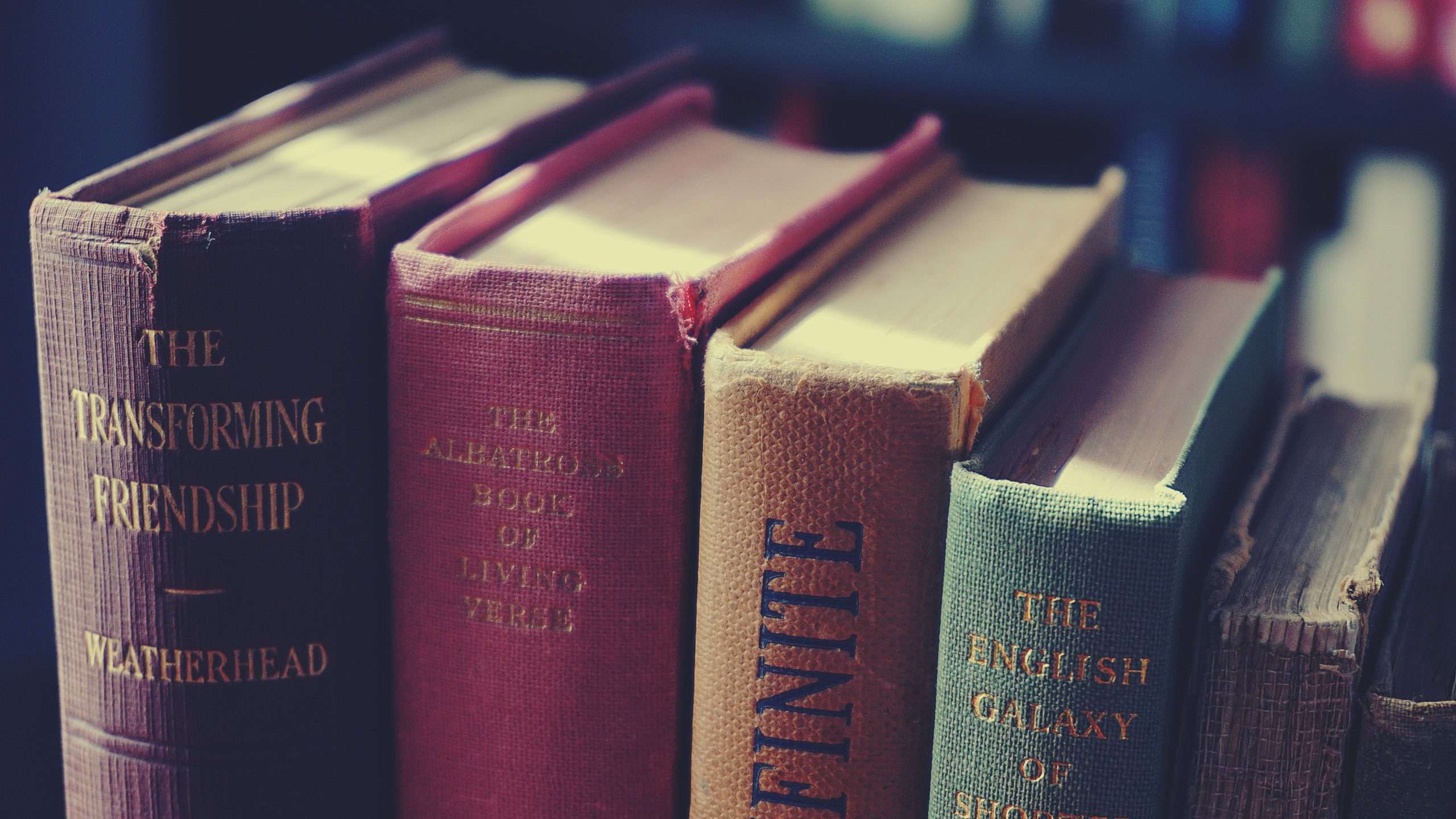
The rise of social media has transformed how poetry is created and shared, allowing anyone to express their thoughts without traditional constraints. This modern landscape often favors experimental styles, leading many contemporary poets to prefer free verse. Unlike traditional poetry that adheres to rules of rhyme and meter, free verse offers a platform for unique forms and personal voices, reflecting the diverse issues of today's world.
Read More
Historically, poetry's reliance on rhyme and meter served as essential tools for storytelling and information dissemination, especially in times when literacy was limited. Poets often derived from oral traditions, where structure aided memorization and communication. However, as poetry evolved, rigid forms began to feel constraining. The emergence of free verse at the end of the 19th century, championed by poets like Walt Whitman, highlighted the need for liberation from formal constraints, allowing for more genuine expression.
John Milton, in his introduction to "Paradise Lost," observed that his contemporaries were often hindered by tradition, a sentiment that echoes today as poets seek to break free from conventional forms to explore deeper creativity. By the 1980s, a movement known as "New Formalism" arose, as some poets returned to traditional structures. This transition was met with criticism from advocates of free verse who viewed it as a departure from innovation, arguing it could be elitist and stifling to self-expression.
Free verse poetry, while not devoid of skill, allows for greater imaginative freedom, enabling poets to present their ideas without the limitations imposed by rhyme and meter. Langston Hughes’ poem “I, Too” exemplifies the power of free verse, utilizing line length and structure to convey profound emotion and personal narrative.
In recent years, the phenomenon of “Instapoetry” has emerged, characterized by its accessibility on platforms like Instagram and Tumblr. Critics label it as superficial and lacking depth, particularly focusing on the work of Rupi Kaur. Despite the criticisms, this movement has significantly increased poetry's visibility and accessibility.
Contrastingly, poets like Ocean Vuong, known for his lyrical free verse, continue to create impactful literature that defies simplistic categorization. Vuong argues against the constraints that poetic structures impose, celebrating the individuality and originality that free expression can offer.
The notion of categorizing poetry, including free verse, risks limiting artistic expression. It may be time to embrace poetry as an inherently free and fluid form of art, allowing for a broader spectrum of expression without the confines of traditional structure. Ultimately, thoughtful and skillful contemporary poetry can resonate deeply, often surpassing the effectiveness of conventional forms, proving that true artistry flourishes best through unbounded creativity.