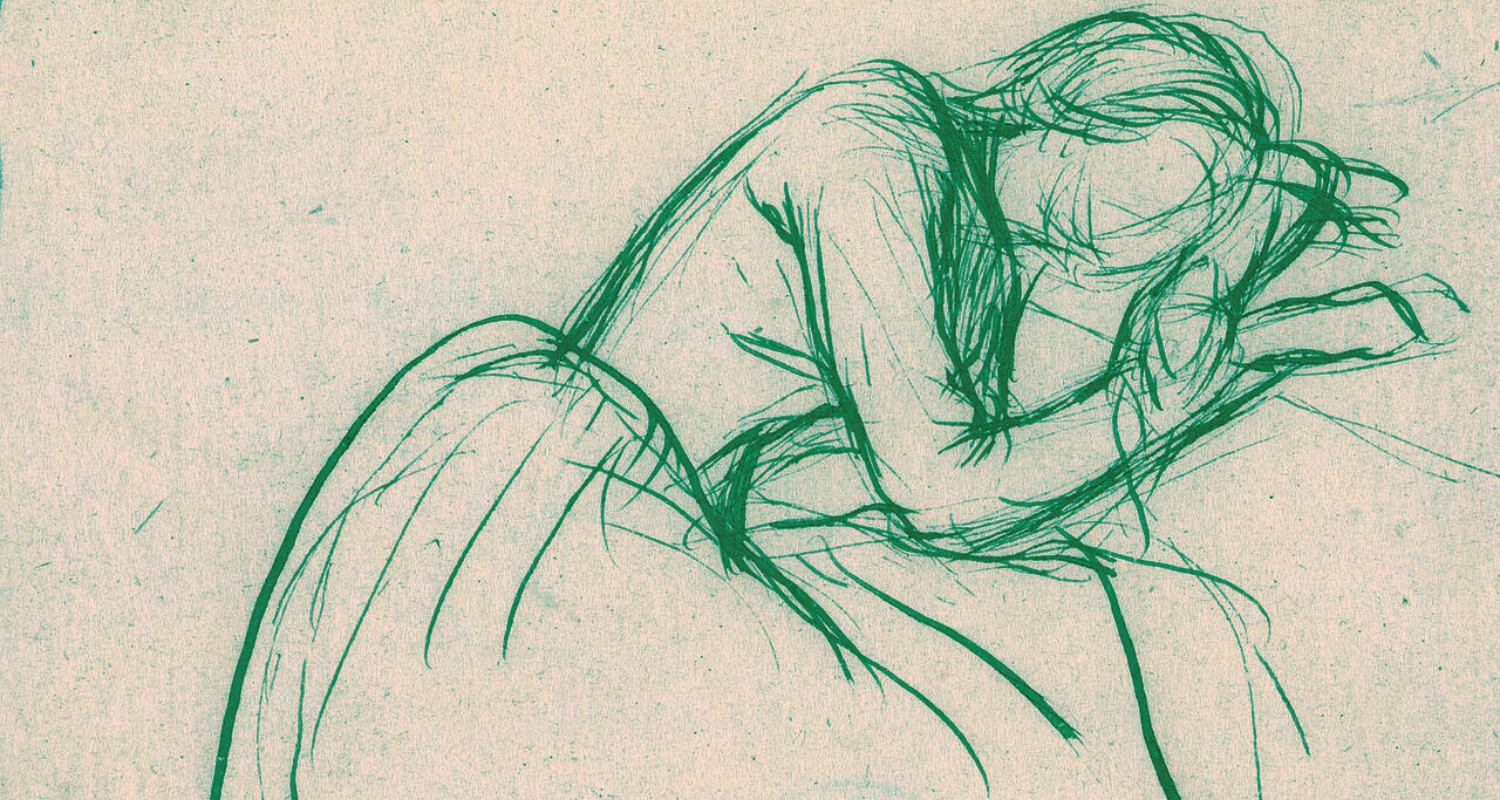
The complexities of grief often challenge writers as they attempt to encapsulate feelings of loss. Traditionally, the elegy evolves from lamentation to celebration, culminating in consolation, but reaching that final stage can be particularly difficult. Loss intertwines love, creating a rich tapestry of emotions, where sadness and praise coexist.
Read More
When the author began writing poems about her mother, she imagined her in death, which provided a sense of emotional safety, as her mother never read the works. Yet, it wasn't until the week between her mother’s death and funeral that she penned nonfiction, capturing the tumultuous array of emotions—rage, despair, shock, and premature acceptance—in clear, though fragmented, prose.
Initially overwhelmed by the task of writing essays, she found it similar to grappling with grief, which felt too vast to contain. Inspired by Adrienne Rich, who once remarked on the protective nature of poetry, the author sought to give shape to her chaotic thoughts through various poetic forms, including the ghazal, which consists of stanzas of two lines ending with the same word. This adapted form became a means for her to praise and mourn different parts of the body.
Historically, individuals have sought different forms to express their grief, whether by crafting wreaths from hair or creating post-mortem photographs. These artistic expressions help preserve memories and emotions tied to loss. The Greeks, who introduced the ode and elegy, viewed grief as a public endeavor, complete with professional mourners who could embody the emotional weight of loss when family members could not.
The act of writing, stitching, and pursuing embodied practices of grief allowed the author to reshape her memories of her mother. By experimenting with various forms—from embroidered images to personal pilgrimages—she found avenues to engage with both the painful and celebratory aspects of her loss. Although she acknowledges that she has not fully reached the final stage of the elegy, through her creative endeavors, she has made significant strides in her mourning process, utilizing form to navigate the enduring wounds of time.