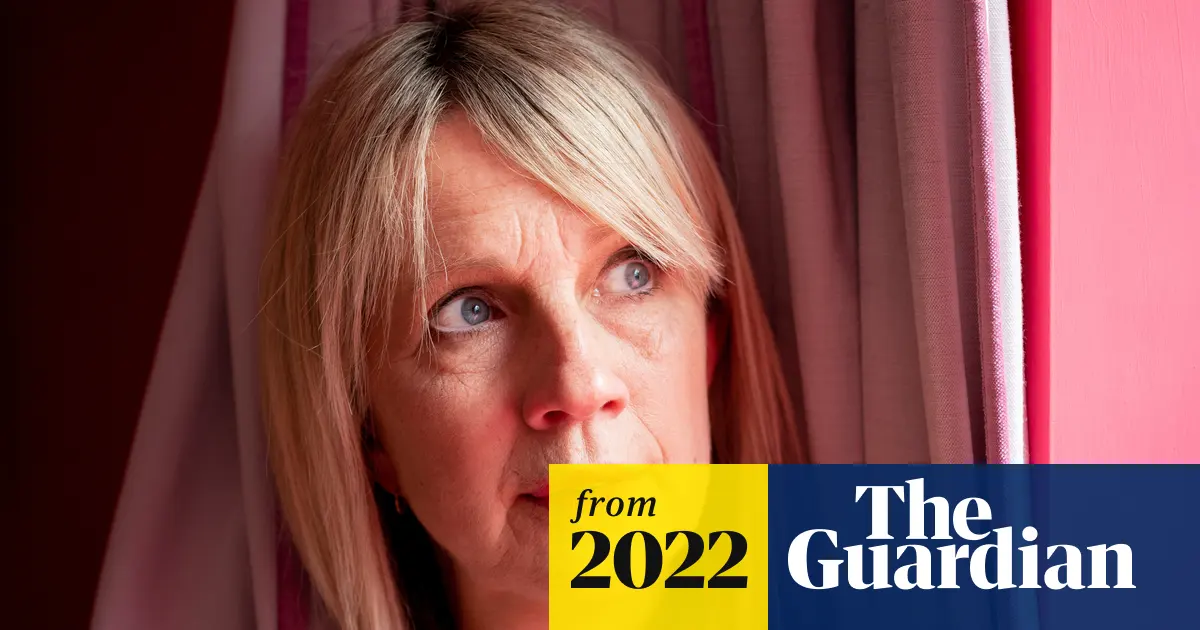
Julie Myerson, whose 2009 memoir *The Lost Child* resulted in significant backlash for sharing personal family struggles, returns to the topic of addiction with her new book, *Nonfiction: A Novel*. This latest work recounts the struggles of parents dealing with a teenager's drug addiction, told through a fictional lens.
Read More
Myerson reflects on the turmoil following the release of *The Lost Child*, which detailed her son Jake’s cannabis addiction and her decision to exclude him from the family home. The book faced widespread criticism, including discussions in media and Parliament, leading Myerson to experience severe anxiety and a temporary halt in her career as a public commentator.
Now, at 62 and recovering from a hip replacement after breast cancer treatment, Myerson is launching into a subject that once deeply wounded her. She approached it with caution, recognizing the potential for renewed scrutiny. She described the book as both entirely fabricated and profoundly truthful, revealing her internal struggle with the ethics of writing about her family.
Previously, Myerson gained notoriety for an anonymous column, *Living With Teenagers*, where she candidly discussed her children’s lives. Although it garnered praise for its relatability, it left her family exposed to public attention, prompting regret about not informing her children about the content beforehand.
*Nonfiction* is described by Myerson as her most challenging work, dealing with themes of addiction and maternal guilt. The narrative's mother figure grapples with feelings of failure and self-critique regarding her child’s struggles. Myerson believes such conversations are vital, advocating for middle-class families to address issues surrounding cannabis and heroin openly.
While *Nonfiction* draws upon her personal experiences as a mother of a child with addiction, she asserts it ultimately focuses on the parents' perspective. Myerson emphasized that the novel examines the toll addiction takes on familial relationships, raising questions about the impact of her writing on loved ones.
The author finds herself analyzing the intersection of her identity as a writer and a mother, acknowledging the difficulty of balancing truth-telling with protecting her family's privacy. Despite the risks, she remains committed to creating work that challenges readers and reflects her reality. She expresses a blend of confidence and resolve as she continues on her literary journey, remarking, “I’m just going to relax and carry on doing the thing that I do best.” While uncertain if Jake has read *Nonfiction*, she believes he is in a much healthier place today, and hopes for continued family healing as they navigate their past together.