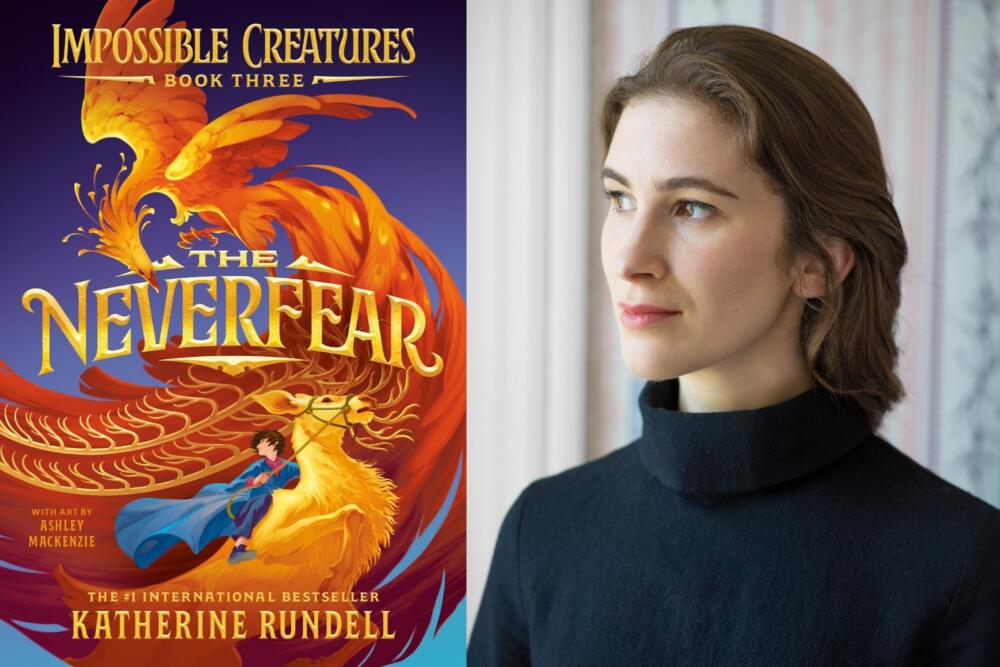
Katherine Rundell, an Oxford University professor and children’s author, argues that abandoning children's literature as adults can be a mistake. She believes these books can illuminate forgotten aspects of joy and hope, stating, “A children's book can remind you not of things you'd forgotten — that's easy. It can remind you of things you've forgotten you'd forgotten.”
Read More
Rundell, known for her work in Renaissance literature, has become the first children's author since J.K. Rowling to top the sales charts in both the U.K. and U.S. Her latest addition to the “Impossible Creatures” series, "The Neverfear," will be released on September 1, coinciding with a new edition of her essay, "Why You Should Read Children's Books, Even Though You Are So Old and Wise."
Rundell critiques the perception that adult fiction is superior and posits that children's books address significant themes such as power and human emotion. She emphasizes that these narratives can strip away adult pretenses to reveal deeper truths about the human heart.
When discussing her writing, Rundell mentions she targets not only her younger self but also contemporary children. She aspires to encapsulate a blend of adventurous spirit, realism, and respect for young readers' intelligence. In response to literary elitism that downplays children's literature, she counters that it is a medium of inquiry rather than escapism, offering profound insights and a sense of hope amidst adversity.
Rundell traces the evolution of children’s literature from its historical role as a means of moral instruction to an art form that celebrates the complexity and individuality of childhood. She highlights milestones in this shift, referencing authors like Lewis Carroll and J.M. Barrie, who began to portray childhood more authentically, paving the way for contemporary works of imagination and adventure.
Regarding her own writing, she explains that "The Neverfear" symbolizes resilience and rebuilding after life's challenges. The journey of her characters, who face seemingly insurmountable tasks while grappling with loss, serves as a metaphor for the inevitability of setbacks in adulthood and the potential for recovery and growth.
Rundell concludes with a compelling argument for revisiting children's books: they rekindle a sense of wonder and creativity often lost in adulthood. She advocates for imagination as a vital force for personal and societal change, positioning children's literature as a tool to rejuvenate this imagination. Her insights highlight the enduring relevance and richness of children’s literature for people of all ages.