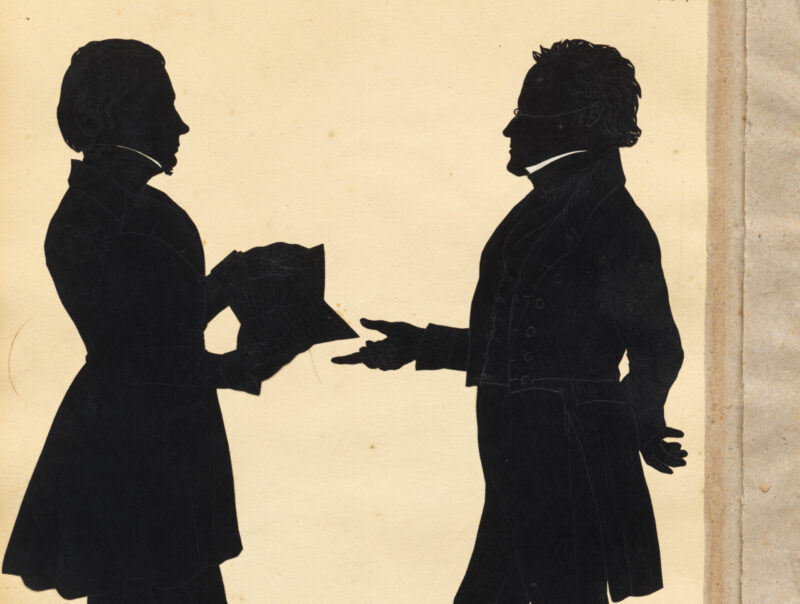
This weekend, after rewatching James L. Brooks’ 1987 film *Broadcast News*, I began contemplating the significance of author interviews within the literary community.
Read More
Author interviews have a rich and established presence. For instance, *The New York Times* features a weekly column called “By the Book,” where authors respond to light questions, such as “What’s on your nightstand?” Accompanied by a friendly illustration, these Q&As typically promote positivity, with writers praising their peers while mostly avoiding challenging inquiries.
Conversely, the Proust Questionnaire, popularized by *Vanity Fair*, offers a more pointed approach with questions like “On what occasions do you lie?” This format serves a diagnostic purpose, highlighting the personal while maintaining a playful, cocktail party atmosphere that differs starkly from the cozy image suggested by *By the Book*.
At the more profound end of the spectrum, *The Paris Review* has been conducting its esteemed “Art of Fiction” interviews since 1953. These dialogues are highly regarded for their depth and are often included in academic syllabi, illustrating their educational value.
The persistence of author interviews is intriguing given that writers are often characterized as introverts. This raises the question: what do readers genuinely seek from these interactions?
Examining this raises an important clarification about expectations. Interviews that solely serve as promotional platforms often frustrate me; generic questions can seem superfluous. Conversely, I find overly intrusive interviewers, who dominate the conversation with personal anecdotes, off-putting. Ideally, I approach author interviews wanting to hear the author’s thoughts in their own words, but that raises another question: if I merely wanted the author’s perspective, wouldn’t I just read their book?
Journalist Janet Malcolm discussed the ethical complexities of interviewing, suggesting it can be an inherently unkind endeavor. While I appreciate the validity of her critique, I confess I approach these interviews with a degree of scrutiny, hoping to uncover something deeper than what the author has presented on the page. I am drawn to revealing and sometimes challenging interviews that delve into the substance behind the work.
For instance, in a 2019 interview with Bret Easton Ellis, Isaac Chotiner provided a nuanced critique of the author’s claims, which sparked debates about the nature of Ellis’ perspectives. This type of interview not only entertains but also informs potential readers about the book's themes. A more recent example from *The Paris Review*, where Sheila Heti questioned Lauren Oyler about her research methods, maintained a respectful dialogue that allowed for thoughtful reflection.
Moreover, I seek out author interviews as a source of inspiration and practical advice as a fellow writer. While there’s a risk of romanticizing authors as gurus, I find motivation in the pursuit of understanding their creative processes. This allure can make the often mundane task of writing feel more glamorous, even as I recognize the pitfalls of this view.
Ultimately, the question remains: what is the true role of the author interview? Whether they lean towards flattery or incisiveness, do they contribute to an elevated image of the author or, as Malcolm suggests, lead to a more critical scrutiny?
To provide a more constructive notion, I recommend Claudia Tate’s recently reissued *Black Women Writers at Work*, which includes powerful interviews with prominent authors like Toni Cade Bambara, Gayl Jones, and Toni Morrison. It's invaluable for anyone looking to understand the craft from those who have excelled in it.