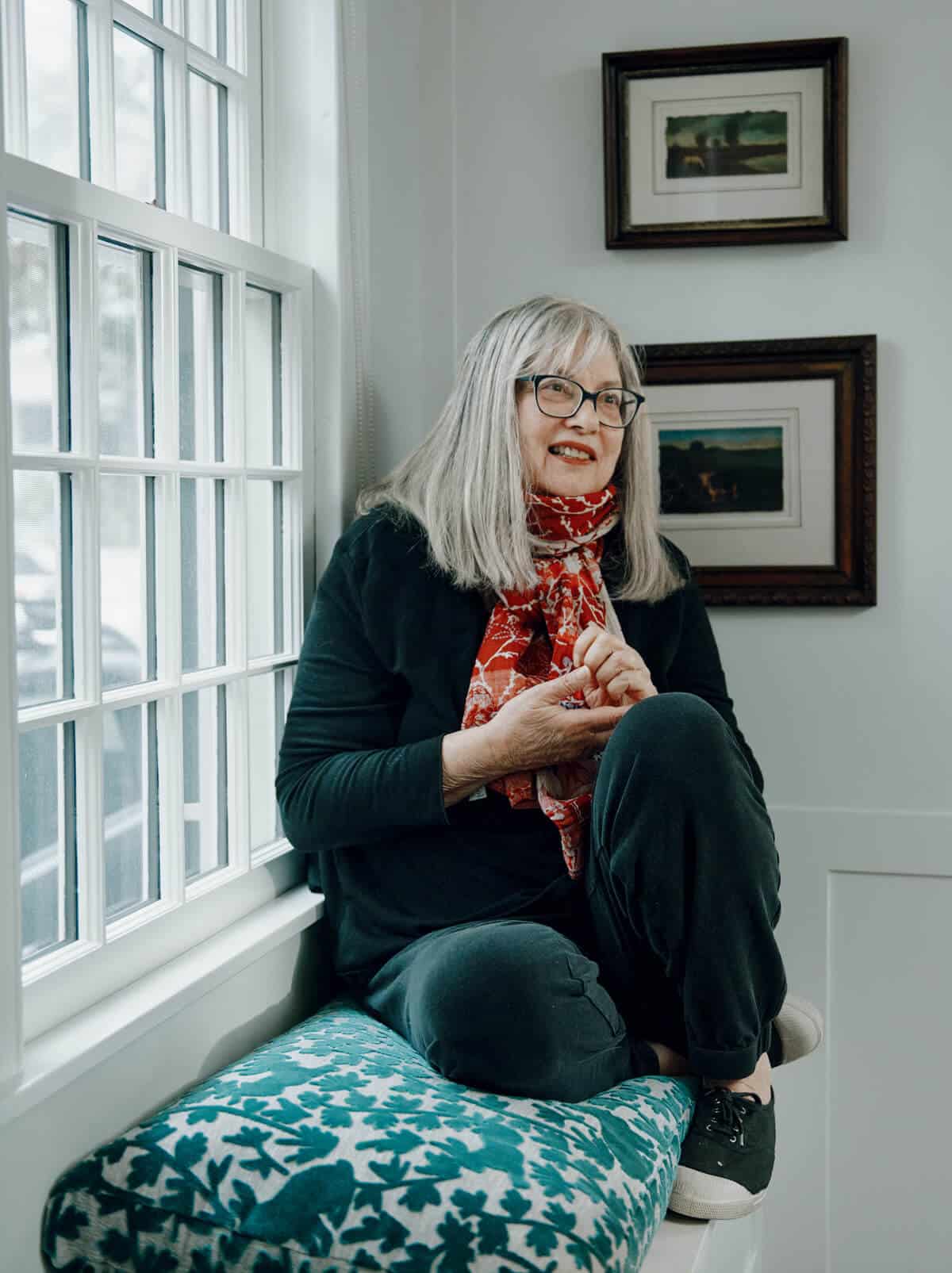
In an interview with Kelly Horan, author Alice Hoffman reflected on her writing journey and upcoming works, revealing her unique approach to storytelling that melds realism with elements of magic.
Read More
Hoffman, known for her novels such as Practical Magic and The Dovekeepers, describes her literary style as akin to the changing weather—constant yet unpredictable. She credits her childhood in Long Island and the impact of reading, particularly Edward Eager’s Tales of Magic series, for shaping her imaginative world.
Across her over 30 novels, Hoffman embraces themes of everyday magic, often centered around women navigating life’s challenges. In discussing her characters, she noted, "Why witches? Because princesses don’t have any power."
With two major releases set for September—a new novel, The Witches of Cambridge, and the sequel to Practical Magic—Hoffman shared insights into her creative process and the significance of New England in her work. Living in Cambridge, Massachusetts, since the 1970s, she recognizes the influence of the region's literary history on her writing.
Reflecting on her formative years, Hoffman identified authors like Shirley Jackson and Ray Bradbury as significant influences during her adolescence. Her discovery of Anne Frank's diary also inspired her to pursue writing, showcasing her perception of identity and representation.
Hoffman recounted her educational journey, beginning with a challenging childhood that led to a greater appreciation for her academic opportunities. She mentioned a pivotal experience at Stanford University, where her writing was nurtured by a mentor, significantly altering her future.
The author elaborated on her fascination with fairy tales, explaining how they can express truths about complex emotions and societal issues that realism often fails to capture. She acknowledged tackling difficult subjects, such as a young girl with AIDS in her 1988 novel At Risk, but emphasized her instinctual and magical approach to storytelling rather than overanalyzing her writing process.
Hoffman expressed her connection to New England literature, mentioning writers like Nathaniel Hawthorne as influential figures in her work. Her most recent novel, The Invisible Hour, reflects this connection while also exploring women’s roles historically, seen through dual narratives in The Witches of Cambridge, set in both the 17th century and the 1950s, amid the backdrop of witch trials and societal changes.
Discussing her iconic novel Practical Magic, Hoffman noted that its initial reception was lukewarm, with mixed reviews primarily focusing on the female-driven narrative. Yet, it has since gained a cult following, particularly among women, culminating in the upcoming sequel that further explores themes of sisterhood and love.
As she prepares for the release of both her new book and Practical Magic 2, Hoffman expressed excitement about how adaptations transform her stories and resonate with audiences. This continued engagement with her work across generations highlights the evolving landscape of women’s representation in literature and film.