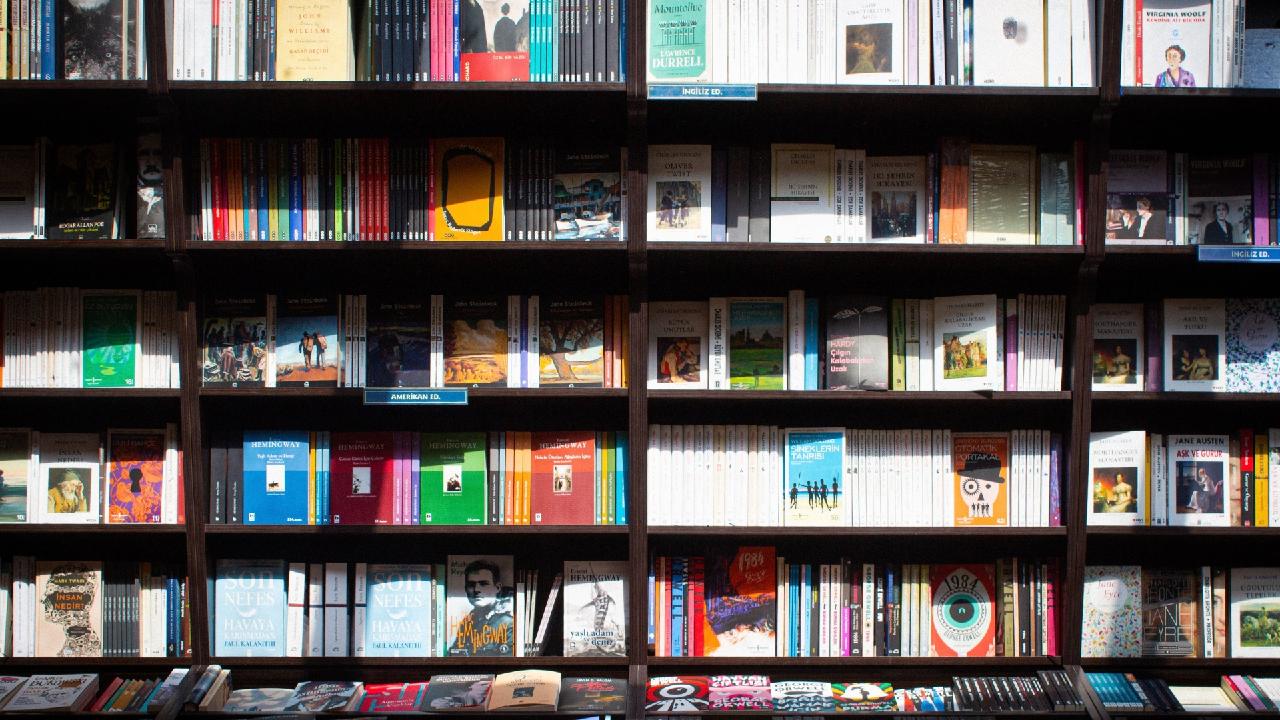
The Frankfurt Book Fair is focusing on the role of artificial intelligence (AI) in publishing this year. AI technologies can facilitate translations, revive overlooked titles, and provide tools for individuals to articulate their thoughts. However, as advancements continue, publishers confront challenges surrounding creativity, authorship, and copyright concerns.
Read More
One notable example is Swiss publisher NuiNui, which is creating an AI agent to enhance book translations, aiming to lower costs and streamline the selling of international rights. Paolo Biano, an editor for NuiNui, acknowledges that while AI is evolving, human editors remain crucial. He points out that translating poetry from Japanese requires nuances that AI may miss, saying, "If we translate poetry with AI, we need a translator that understands what is behind, beyond the word."
Biano believes AI could be particularly beneficial for lengthy non-fiction works, such as extensive nature guides that could alleviate publishers' concerns regarding translation costs by providing near-perfect English texts for potential buyers.
Ian Strathcarron, chairman of Unicorn Publishing Group, notes that AI has improved research efficiency and productivity. Although he finds AI useful for editing and proofreading, he questions the quality of AI-generated literature, stating, "If you're asking people to take the time to read it, it's only fair you've taken the time to write it."
Nadim Sadek, founder and CEO of Shimmr AI, emphasizes AI's potential to connect underappreciated titles with audiences through targeted marketing. While he sees value in AI assisting with idea generation, he cautions that fully AI-generated texts often lack the unique qualities that human authors possess. He states, "AI-written stuff is still pretty poor... There are just too many markers of what AI kind of written stuff is. I prefer the DNA print of the author because they always bring a surprise glitch at the end. AI can't really do that."
Amid these developments, significant questions remain regarding ownership and copyright when AI is involved in the creative process. At the fair, 120 publishers signed the Frankfurter Appell, advocating for greater copyright protection, transparency, and fair licensing. As the publishing industry navigates AI's potential, the key challenge lies in leveraging these technologies while safeguarding the human creativity that is essential to literary expression.