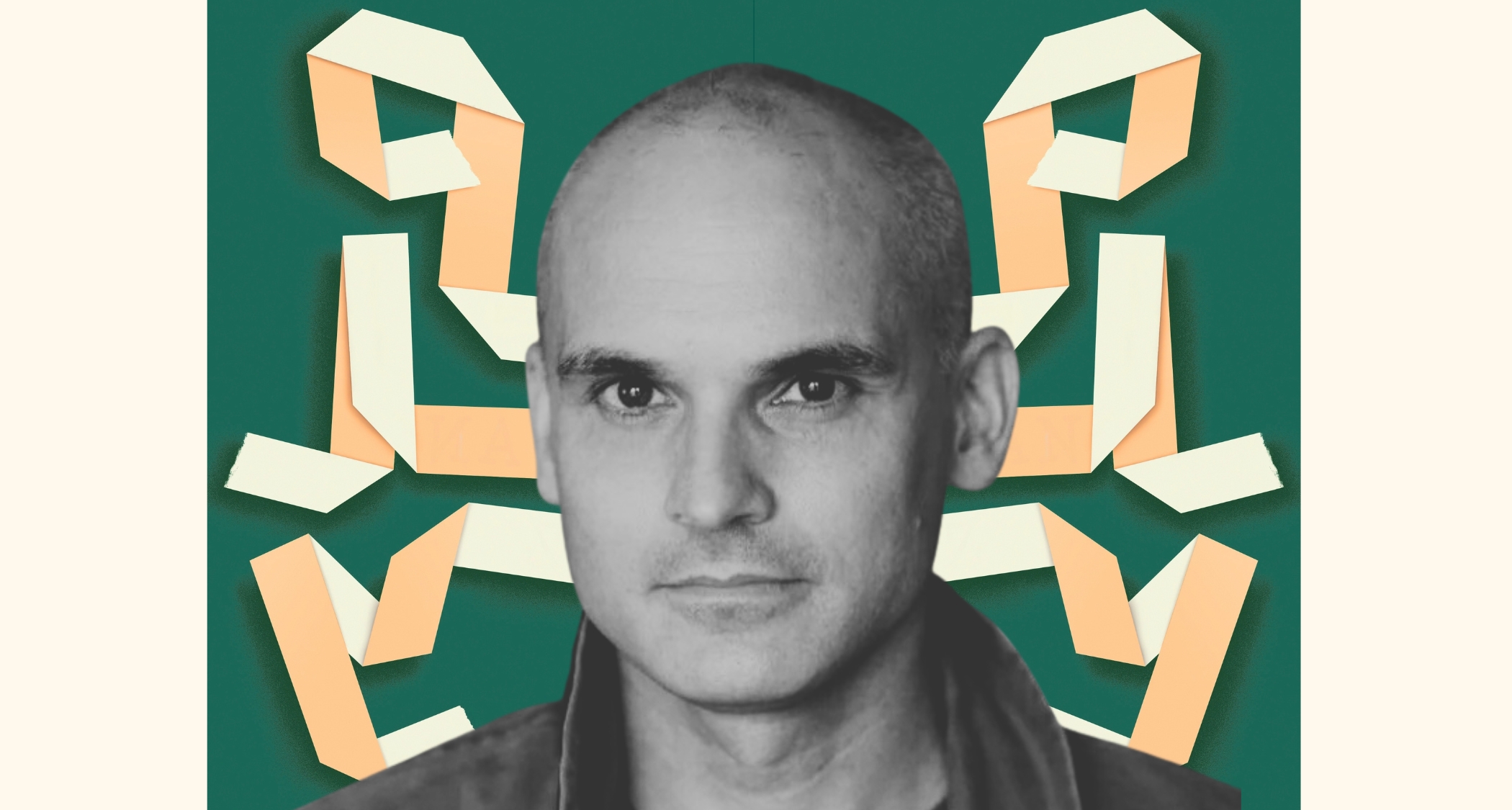
Hernan Diaz, the Pulitzer Prize-winning author, releases his latest novel, Ply, after a four-year hiatus, prompting discussions about its classification. In response to questions about whether his work fits into the dystopian genre, Diaz asserts, "I don’t think Ply is a dystopian novel," emphasizing his discomfort with the term ‘post-apocalyptic’ as well.
Read More
Set in an urban future, likely New York City, Ply presents a world where nature reclaims the landscape and existing societal structures have largely collapsed, but where crime is low and music thrives—"more like post-punk," he clarifies. Diaz argues that the novel represents a new way of life and thinking, rather than a mere depiction of dystopia.
In this setting, characters grapple with significant losses, such as a social safety net and basic services like education and healthcare, which many take for granted as intrinsic rights. Diaz notes that while some aspects of life have vanished, this includes oppressive power systems and environmental degradation—elements that he argues are beneficial losses.
The story's protagonist, a nameless young “pincher,” engages in the illicit trade of electricity extracted from a dilapidated grid. After a breakthrough in battery storage, the pincher finds herself embroiled in a conflict among local criminal leaders. While Ply has a strong plot, it also includes philosophical reflections on freedom, disorder, and paranoia.
Diaz's narrative choices reflect his belief that modern novels should convey ideas through compelling storytelling. He associates adventure with a rich literary history and hopes to redefine its place in contemporary literature.
Born in Argentina and raised in Sweden, Diaz has lived in New York for many years. Ply completes a thematic trilogy of his previous works that explore different aspects of American history: pre-U.S. in In the Distance, peak U.S. in Trust, and post-U.S. in Ply. He credits his emotional instincts as guiding his writing process, rather than a deliberate structure.
For Ply, Diaz undertook extensive research in physics, culminating in a visit to CERN, where he engaged with scientists to formulate a realistic scientific premise for his book. This endeavor aimed to create a plausible foundation for the novel’s concepts, enhancing the reading experience.
In addition to scientific themes, Diaz contemplates human consciousness and selfhood, presenting the idea that our individual identities emerge from fundamental interactions among matter. He expresses skepticism toward nostalgia, suggesting it can be a reactionary impulse, and instead highlights the value of memories from childhood as a vital element in his writing.
Throughout Ply, Diaz navigates the complexities of memory and history, using character relationships—particularly between the older Pola and the younger pincher—to explore themes of generational connection and loss. His thoughtful and humorous engagement with these themes suggests a nuanced perspective on the interplay of civilization and human experience.