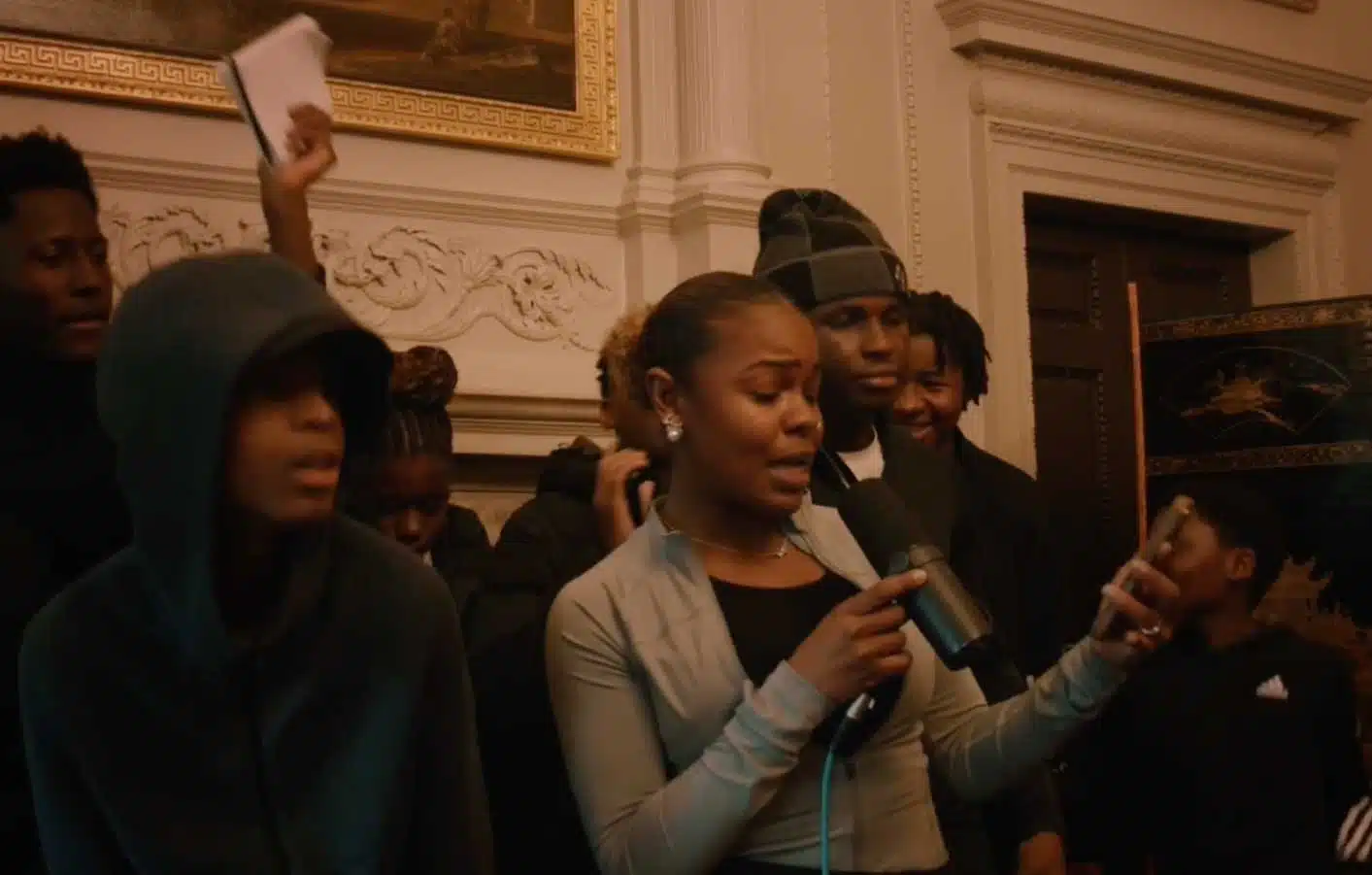
Museum and heritage learning teams face the ongoing challenge of helping young people forge personal connections with collections and historic sites. English Heritage addressed this through its Inspiring Voices program, which encouraged individuals aged 11 to 25 to engage with their sites via poetry in various formats, including written, spoken, and visual forms.
Read More
At a presentation during MuseumNext, Laura Taylor, Digital Learning Manager at English Heritage, and Domi Blackmore, Learning and Participation Programmes Manager, discussed how the program was implemented and its outcomes. They reported that eight on-site workshops attracted 119 young participants, far exceeding the target of 50. Additionally, an online poetry festival garnered 168 submissions, also surpassing its target of 50. Immediate feedback was collected, but the presentation did not include long-term metrics related to participant connection or wellbeing.
Key insights for other museum teams included framing the initiative as a creative response rather than focusing solely on poetry, which may deter participation. Recruitment through established local networks was beneficial, as regional staff engaged schools and youth groups. Allowing participants to influence the sessions resulted in stronger creative expressions. The program also offered diverse formats, including writing, performance, and visual poetry.
Accessibility was another crucial consideration, with advance planning needed to overcome practical barriers that might hinder participation, such as uneven ground and transportation costs. Pre-visit discussions and a designated safe space on-site helped participants feel comfortable and prepared.
Inspiring Voices builds on English Heritage's prior program, Untold Stories, launched in 2020. The project was informed by an 18-month research collaboration with The Oxford Research Centre in the Humanities and the University of Oxford, led by Professor Christine Gerrard and Dr. JC Niala, focusing on poetic associations with English Heritage sites.
Workshops took place at six locations: Bolsover Castle in Derbyshire, Down House in Kent, Marble Hill House in Twickenham, Stonehenge in Wiltshire, Stott Park Bobbin Mill in the Lake District, and Whitby Abbey. Selection criteria included the availability of indoor facilities and relevant poetic associations identified in the prior research.
Facilitators tailored sessions to different groups, often linking activities to the English curriculum. For instance, at Stott Park Bobbin Mill, participants explored stories of child mill workers, while A-level students at Down House reflected on the life of Annie, Charles Darwin's daughter.
The participation figures were promising, indicating effective outreach and engagement. Every workshop participant produced a poetic response, with many opting to read their work aloud.
Feedback was gathered through anonymous Post-it notes, allowing participants to share their thoughts before and after sessions. This method proved quick and encouraged honest responses.
The Inspiring Voices Poetry Festival, which started on November 3, 2025, invited submissions until March 15, 2026, from young people across three age categories. A successful marketing campaign contributed to the high level of engagement, which highlighted their relevance through partnerships with established poets and various outreach methods.
Resources created during the initiative, including a digital dice roller for writing prompts, an anthology of poems, and a showcase event for winners, are intended to remain available post-festival.
The successes and methodologies of Inspiring Voices can be adapted by other museums to foster engagement, emphasizing framing, recruitment strategies, accessibility, and adaptable formats to enhance their own programs.