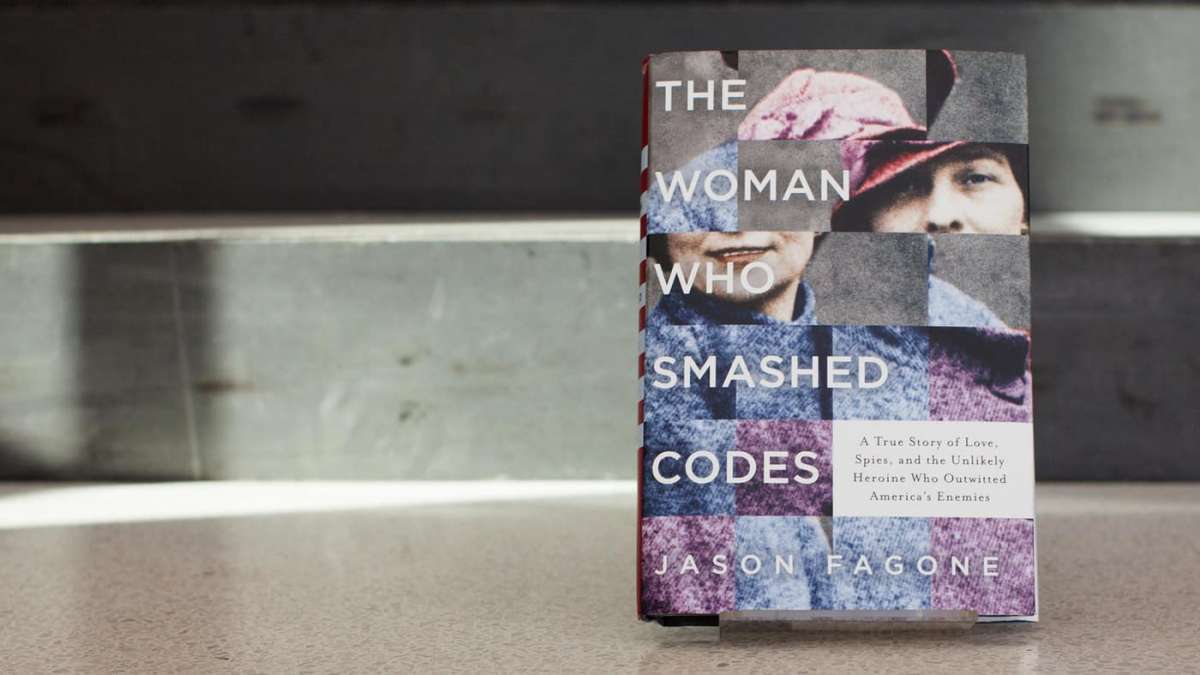
In his book, The Woman Who Smashed Codes, journalist Jason Fagone highlights the significant yet often overlooked contributions of Elizebeth Friedman, a pioneering codebreaker for the National Security Agency (NSA) during World War II. While her husband, William Friedman, is recognized as the “founder of modern American cryptology,” Elizebeth's skills in cracking codes earned her notable acclaim, despite the historical marginalization of women in STEM fields. During a time when women's roles were frequently eclipsed, Elizebeth often credited her husband's achievements over her own.
Read More
Fagone began his research in a Virginia library holding Friedman’s personal papers, which revealed gaps in documentation from 1939 to 1945, the critical years of World War II. His investigation into classified documents at National Archives uncovered Elizebeth's vital role during the war, portraying her as a talented codebreaker who excelled despite facing considerable gender biases. Although she never formally studied mathematics, her exceptional pattern recognition skills, honed through her background as a poetry scholar, positioned her among the top codebreakers of her era.
Fagone reflects on why Elizebeth, like many women in STEM, did not receive due recognition. He notes that societal perceptions overshadowed her talent, often attributing her accomplishments to her husband, whose status in the field dwarfed her own contributions. Elizebeth’s collaborative work, however, was instrumental in his success, reversing the stereotype that women lacked the capability for such scientific work.
Fagone also touches on the role of women in espionage, with Elizebeth and Julia Child being examples who navigated these environments unnoticed due to prevailing societal notions about women's capabilities.
The discussion shifts to the recent mass shooting in Las Vegas, prompting Fagone to reflect on his earlier piece, “What Bullets Do to Bodies.” He expressed frustration over the common narratives surrounding gun violence, emphasizing the importance of confronting the real bodily impacts of such violence. Fagone shared insights from Dr. Amy Goldberg, who treats gunshot victims, stressing the need for a candid discussion about the physical trauma resulting from gun violence, elevating it to a public health crisis.
Concluding the interview, Fagone mentioned the significant effort involved in writing his latest book and indicated he plans to take a break from book writing to focus on other pursuits.