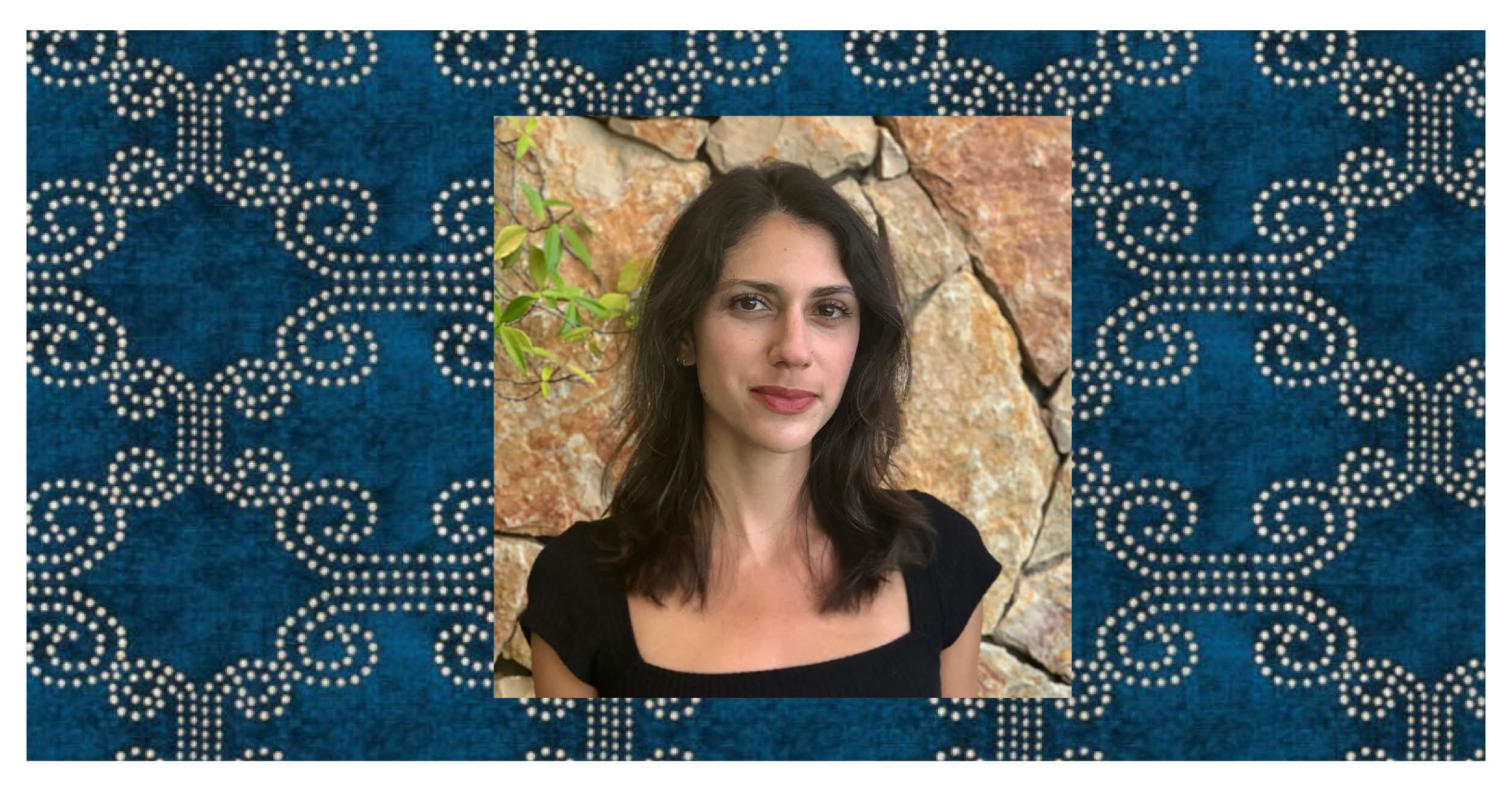
Emma Ramadan grew up in a multilingual household, with a British mother fluent in French and a father whose first language was Arabic. While Arabic mixed with English and French during family gatherings in Southern California, Ramadan herself only spoke English, which limited her understanding of the Arabic conversations around her.
Read More
The linguistic dynamics were complex; her father didn’t want to exclude her mother from family conversations by speaking Arabic. Although he didn’t teach her the language, Ramadan was surrounded by French through her parents and grew interested in it. She eventually pursued French studies and discovered a translation track in her Comparative Literature program at Brown University, where she felt she could engage with literature more meaningfully.
Ramadan went on to complete her M.A. in Cultural Translation at The American University of Paris. There, she became attuned to the cultural nuances involved in translation, learning about the challenges of foreignizing versus domesticating texts while considering the needs of both the source and target audiences. She reflected on her experiences translating subcultures, such as while working on Virginie Despentes’s "Pretty Things," emphasizing the necessity of research to accurately represent cultures she wasn’t personally a part of.
Her research processes vary by project. For example, while translating Moroccan poetry by Ahmed Bouanani, she spent a year in Morocco exploring his environments and culture directly. Ramadan expressed a dedication to translating works from diverse Francophone regions beyond just France, aiming to highlight voices from places like Morocco, Algeria, and Senegal that often remain underrepresented in translation.
Ramadan finds joy in reading and writing and is motivated by a desire to amplify stories she believes are significant rather than focusing on her own narratives. To manage burnout, she combines leisurely reading with occasional escapism through light entertainment. Despite the challenges of maintaining balance in her work life, she makes time for self-care, sometimes retracing her roots to places like Beirut, where she recently lectured.
During her first visit to Lebanon, where her father was born, Ramadan experienced a deep reconnection with her heritage. She realized elements of her identity were intrinsically Lebanese, culminating in a strong feeling of belonging she had never felt before. This trip has sparked a renewed understanding of her background, prompting her to engage more actively with her Lebanese identity upon her return to the U.S., including attending solidarity protests related to the ongoing situation in Lebanon.
Through translation, Ramadan recognizes her constraints due to language barriers. Most contemporary Lebanese literature is written in Arabic, positioning her role as a translator as essential for accessing these stories. Her recent work involves translating historical texts related to Lebanese cinema, highlighting her desire to use her skills to explore and better understand her cultural heritage.