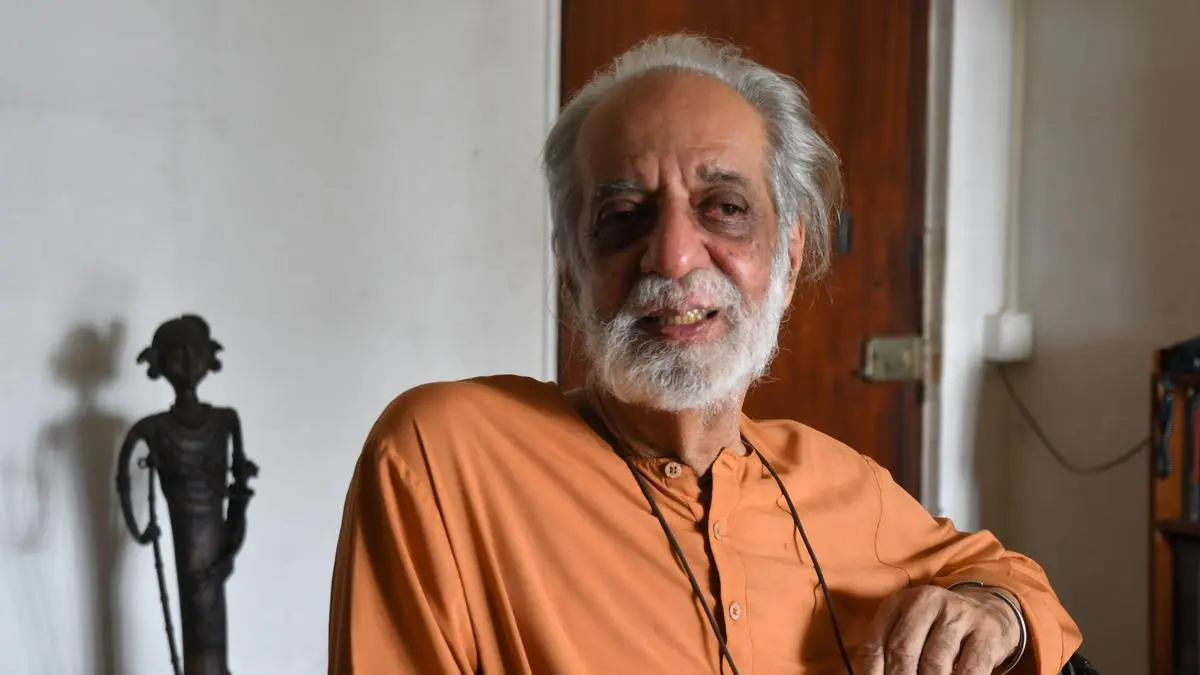
Adil Jussawalla, a notable poet and critic, donated a collection of his personal archives to Cornell University in 2017–18. This collection, which includes letters, photographs, and both published and unpublished writings, was intended to support an archive focused on the Bombay Poets, who emerged in the 1960s and were known for their innovative use of Mumbai's street language in poetry.
Read More
In 2023, Jussawalla extended his contributions by donating additional materials to Ashoka University in Haryana. Both Cornell and Ashoka are equipped to organize and preserve archival materials for research use. In a significant development, Jussawalla also donated a portion of his collection to The Bombay Poetry Crawl (TBPC), a smaller initiative led by poet and literary researcher Saranya Subramanian, in 2024.
TBPC primarily connects poets to their urban environments but now also serves as a literary archive following Jussawalla’s donation. The TBPC website features digitized materials, including photographs, book and magazine covers, letters from renowned poet Nissim Ezekiel, published articles by Jussawalla and other Bombay Poets, and recordings of poetry readings, making it a valuable resource for scholars and readers alike.
In an interview, Subramanian reflected on her long-standing friendship with Jussawalla, dating back to their initial meeting in 2018 when she was researching poet Arun Kolatkar. She spoke of Jussawalla's generosity in sharing his documents, which have deepened her understanding of Mumbai's literary scene post-1950s. Jussawalla encouraged her to digitize parts of his archive, leading to its eventual online availability.
Subramanian revealed she has a background in digital humanities from her undergraduate studies and was inspired by various library archives, including the National Archives of India. The digitization process was meticulous, ensuring all content received Jussawalla's consent and was organized carefully to protect the materials.
Though a significant portion of Jussawalla's materials are now online, Subramanian noted that only about 40 percent of the archive is accessible, with the remaining materials retained for personal research and ethical reasons. She emphasized her commitment to safeguarding privacy and copyright.
The non-digitized materials are currently stored at her home with careful preservation measures in place. Subramanian plans to apply for grants to improve storage conditions, as her full-time job at an art gallery funds her initiatives.
Looking ahead, she has plans for additional digital archives focusing on other poets, particularly in Marathi and Tamil literature, while committing to obtaining necessary permissions before publication. The TBPC website has garnered interest from literature students and writers, showcasing not only Jussawalla’s contributions but also the contextual history surrounding the works.
Subramanian highlighted several treasured items from Jussawalla’s archive, specifically notable book covers from the poetry publishing house Clearing House, which he co-founded. These unique pieces of literary history are celebrated for their artistic design and quality.