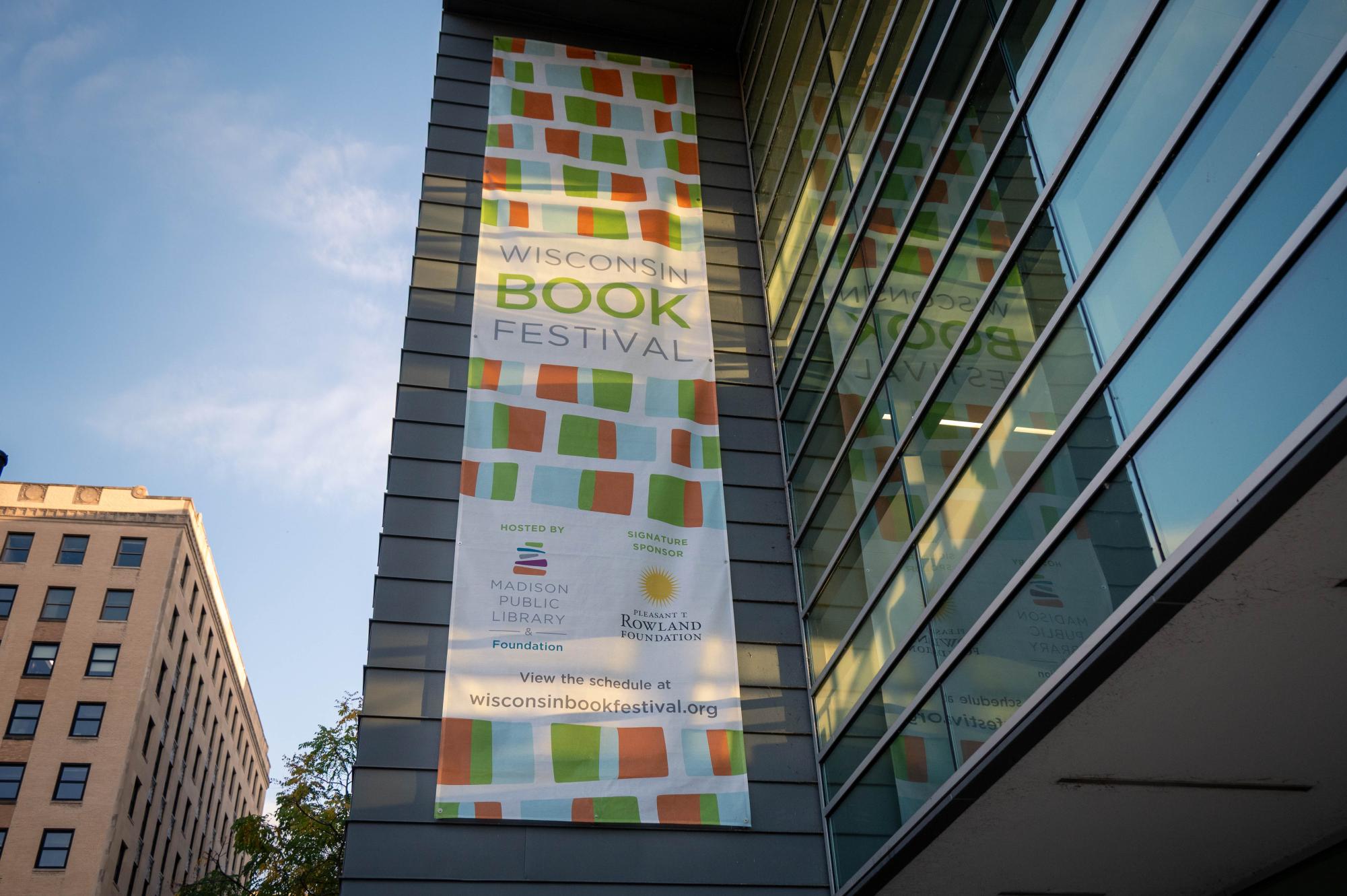
The Wisconsin Book Festival, held from October 15 to 18 in Madison, marked its 25th anniversary this year since its inception in 2001. Over its history, the festival has featured more than 3,500 authors through programs that are free to the public.
Read More
The significance of the event was underscored by a report from PEN America, which noted that a record 11,982 books were banned in U.S. schools during the 2025-2026 school year, highlighting the ongoing challenges to literary freedom. In the face of such censorship, the festival presented an opportunity for literature enthusiasts to celebrate and engage with authors and their works.
Festival director Jane Rotonda, who has been with the organization since February 2023, emphasized the festival’s commitment to promoting the power of literature and community through free author events. She noted the importance of creating an inclusive atmosphere that makes the festival accessible to all attendees and speakers.
“This is a moment to call out our rights and express that we should be able to read what we want to read,” Rotonda said. The festival incorporated programming for Banned Books Week and collaborated with local schools to promote discussions on intellectual freedom.
Key changes for this year included a greater presence of authors connected to Wisconsin and a focused feedback initiative aimed at improving event accessibility. Most events now take place at central venues like the Madison Public Library and the Madison Museum of Contemporary Art.
Three poets—Derrick Austin, Dylan Weir, and Rebekah Denison Hewitt—held a joint session titled “Staying Alive” to discuss their new poetry collections. Each poet reflected on the nuanced experiences portrayed in their work, touching on themes such as motherhood, addiction, and identity.
Austin's collection, “This Elegance,” examines race and queerness through lyrical expression, while Weir's debut, “Public House,” addresses addiction and its universal implications. Hewitt's “Creature in Bloom” revolves around pregnancy and motherhood, showcasing the intricate societal expectations surrounding these themes.
Several events featured discussions with prominent authors. Kawai Strong Washburn discussed his novel “The Names of the New World,” which explores the impacts of climate change from multiple perspectives. Monona Wali presented her book “Sutra Americana,” reflecting on the immigrant experience in America. Melissa Albert, known for her young adult fiction, presented her first adult novel, “The Children,” emphasizing the role of libraries and the importance of diverse narratives.
Patricia Grace King shared insights from her short story collection “Those Who Vanish,” which addresses cultural interactions in Guatemala, while Lynn D. Jung discussed her dark academia novel “Mothsblood” and its critical perception of academia’s structures.
As the festival wrapped up, it was clear that authors and audiences alike share a deep passion for literature and a commitment to resisting censorship. Rotonda highlighted ways for students to engage with the festival, stressing the importance of attending events, connecting with the community, and volunteering.
“Volunteers are crucial to everything we do, and we love to see younger people getting involved,” she said.