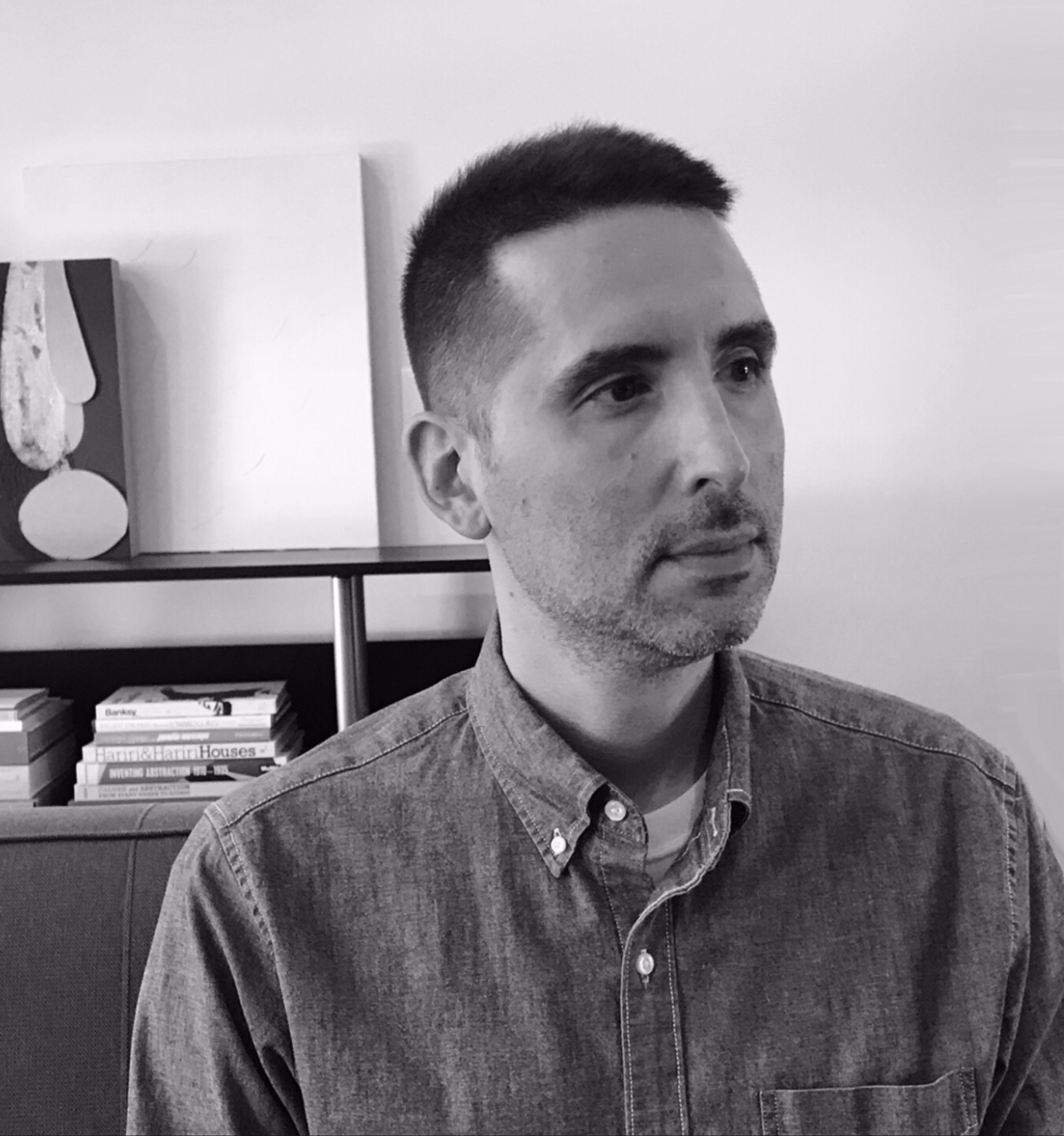
Joe Meno, a creative writing professor at Columbia College Chicago, has released his first nonfiction book, "Between Everything and Nothing," which chronicles the experiences of two Ghanaian refugees, Seidu Mohammed and Razak Iyal, who encountered each other for the first time at a Minneapolis bus station.
Read More
Meno reflects on the United States as a complex entity, stating, "The United States is a poem, a song, an apparition. Its power resides in the fact that it’s largely imaginary." In his journey to document the stories of these refugees, Meno investigates America's duality: a nation that has nurtured his family while simultaneously denying opportunities to others.
Since the onset of COVID-19, Meno has adapted his teaching methods, managing both smaller craft classes and larger Zoom sessions for humanities students. He emphasizes the importance of improvisation and organic interaction in the classroom, noting a loss of energy in virtual settings.
Discussing the creative challenges during the pandemic, Meno likened the current climate to the aftermath of September 11, noting that historical events can dramatically shift the relevance of artistic work. He expressed a desire for writers to recontextualize their narratives in light of contemporary issues.
Meno cites his previous novel, "Marvel and a Wonder," as foundational in shaping his approach to nonfiction. He describes the creative process as a careful documentation of the refugees' narrations rather than rigid structuring. His research involved both firsthand interviews and extensive follow-up, maintaining a commitment to accuracy and ethical reporting.
During his first encounter with Seidu and Razak, Meno was struck by the fluidity of their storytelling and the depth of their shared experiences. This dual narrative revealed the complex realities of immigration, including the often unseen processes of human smuggling and the harsh conditions faced by asylum seekers.
Throughout his research, Meno confronted the troubling aspects of the U.S. asylum system, highlighting issues such as the criminalization of unauthorized border crossings and the lack of legal representation for asylum seekers. He argued that America's treatment of refugees starkly contrasts with policies in many other developed nations.
Meno intends to use the insights gained from writing this book to inform his teaching, emphasizing the interconnectedness of memory, personal narrative, and broader social themes. He believes that incorporating diverse narrative forms can keep fiction relevant in a changing cultural landscape.