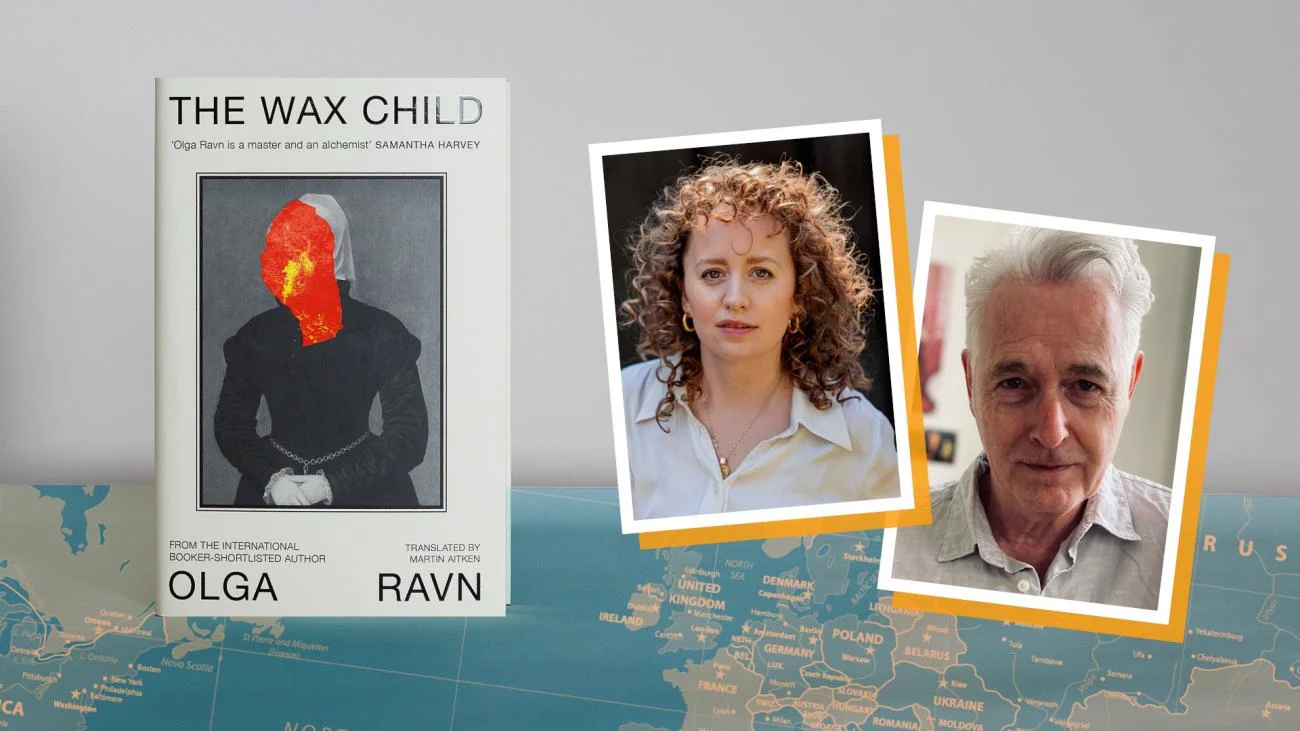
Olga Ravn, author of *The Wax Child*, spoke about her inspirations for the novel, emphasizing her desire to engage with the language of folk magic. Over several years, she researched historical events in Denmark, visiting archives and key locations. Ravn shifted her focus from witches to the transition from the Middle Ages to the Enlightenment, exploring how this period shaped modern concepts of citizenship, consciousness, and the criminalization of witchcraft.
Read More
From a young age, Ravn was fascinated by witches and the occult, believing herself to be a witch who practiced reading runes. Initially wary of the historical novel genre, she instead explored witchcraft through radio, visual art, and performances. While writing a play about witches, she discovered a compelling narrator for her novel: a wax child from a historical case, which represented a non-human character she found captivating. Ravn explained her interest in giving voice to objects and the interconnectedness in folk magic, highlighting that everything is alive within a shared ecology.
Addressing the theme of this year’s International Booker Prize campaign, ‘Fiction beyond borders’, Ravn stressed the importance of translated literature. She noted the rapidly changing collective relationship to language and meaning, advocating for engagement with literature from diverse cultures to enhance understanding and consciousness.
Ravn reflected on the International Booker Prize's impact over the last decade, particularly as it celebrates its 10th anniversary in its current form. She expressed bemusement at the notion of 'translated literature', arguing that more fiction is produced in languages other than English. Her own experience with the nomination of her novel *The Employees*, translated by Martin Aitken in 2021, transformed her life by exposing her work to a global audience. She recognized the prize's significance in elevating underrepresented voices in literature.