For many years, self-published authors felt marginalized within the book industry, often facing stereotypes that characterized their works as inferior to traditionally published titles. However, a notable change is underway.
Read More
As an author of four independently published children's books, I have personally experienced the stigma surrounding self-publishing, including criticisms from traditionally published authors. Yet, it has been encouraging to witness more aspiring writers choose the independent route, equipped with the skills and resources needed to produce high-quality books.
Many serious self-publishers now hire professional editors and illustrators and utilize effective formatting tools. Advances in print-on-demand technology, which allows for the creation of high-quality color picture books and uniquely designed editions, have further elevated the standards of self-published works. Organizations like Reedsy, the Alliance of Independent Authors (ALLi), and The Society of Authors offer valuable support to these authors.
While self-publishing demands significant effort—as indie authors must handle editing, marketing, and distribution themselves—it also offers tremendous creative freedom. This ownership is especially impactful for Black authors, allowing us to narrate our stories in our unique voices.
The mainstream publishing industry has historically offered limited representation of Black characters in children's literature. According to the Centre for Literacy in Primary Education’s 2025 report, only 24% of UK children's books published in 2024 featured racially minoritised characters. Although this marks an improvement from 17% the previous year, many aspiring Black authors prefer self-publishing to ensure diverse narratives reach the market.
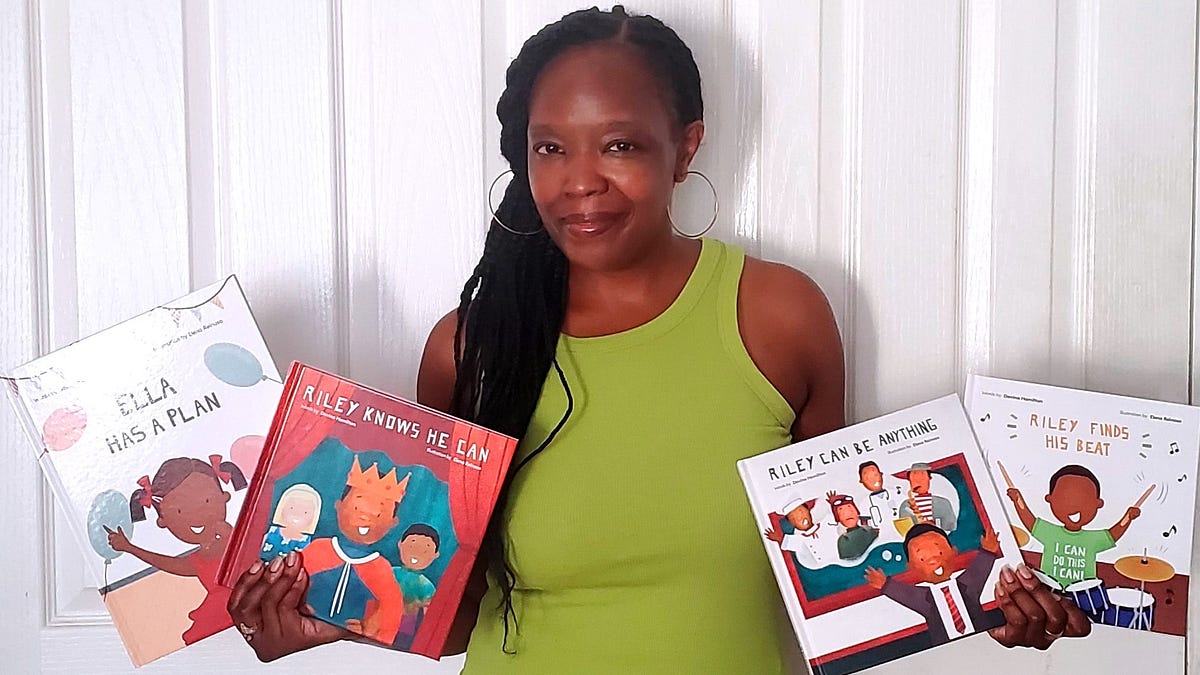
I independently published my debut picture book, "Riley Can Be Anything," in 2017. This book features a young Black boy as its protagonist and promotes positive representations of Black identity, encouraging children to dream big. The book has resonated with parents and children alike worldwide, earning endorsements from celebrities such as David Ajala and Joivan Wade.
I continued this journey with other picture books, including "Riley Knows He Can," "Ella Has A Plan," and "Riley Finds His Beat," all focusing on Black characters. I take great pride in the positive reception my stories have received across various regions, including the UK, USA, St Lucia, South Africa, and Ghana.
For emerging children's authors, self-publishing is a promising avenue if one is ready to invest the necessary effort. It is crucial for children to have access to diverse stories that ignite their imaginations and help them feel represented in literature. Self-publishing serves as a powerful tool to bring such narratives to life.