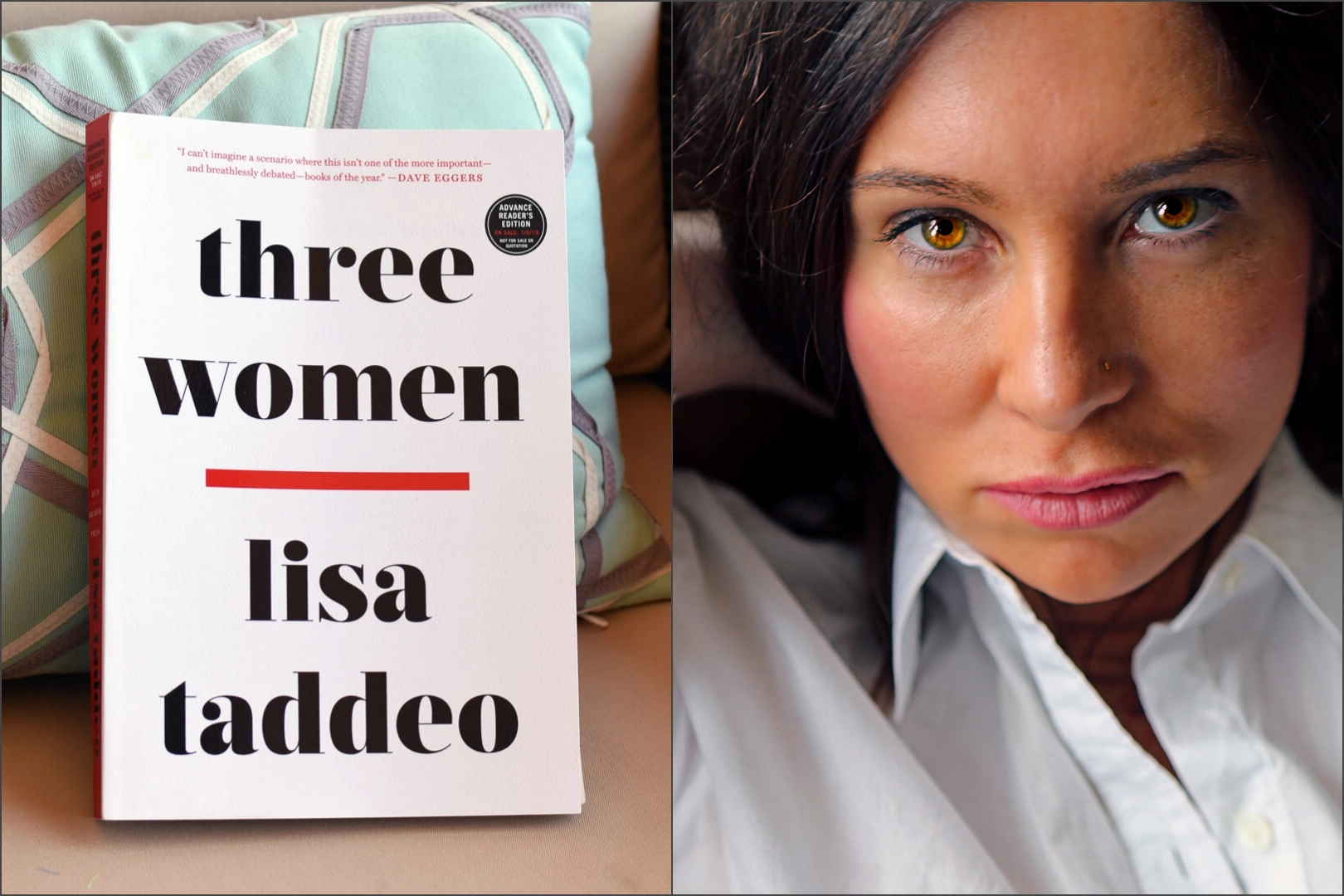
Lisa Taddeo, author of the highly anticipated nonfiction book *Three Women*, has engaged readers with her exploration of human desire through the personal stories of three women. Ahead of the book’s release, Taddeo shared insights about her writing process and the women whose lives she chronicled.
Read More
Taddeo has previously contributed to several notable publications, including *New York* magazine and *Esquire*, and her work has been recognized in anthologies like *Best American Sports Writing*. Her short stories have earned her two Pushcart Prizes.
Given an open-ended assignment by her editor, Taddeo initially focused on male desire but soon found a deeper narrative exploring the complexities of women's experiences. This led her to interview various subjects before narrowing her focus to the three women featured in the book.
To authentically portray these personal stories, Taddeo traveled extensively, making six cross-country trips to meet her subjects. Over eight years, she dedicated thousands of hours to understanding their lives, immersing herself in their communities.
The subjects include:
- **Lina**, a homemaker in Indiana, who embarks on a transformative affair while in a stagnant marriage.
- **Sloane**, a successful entrepreneur in the northeast, whose marriage includes openness to sexual relationships with others.
- **Maggie**, a high school student in North Dakota, who navigates the consequences of a relationship with her English teacher.
Taddeo observes that societal judgments among women can be particularly harsh, noting that women often criticize each other regarding happiness. For instance, Sloane's willingness to engage in her lifestyle is met with judgment rather than acceptance, demonstrating a pattern of competitiveness and critique among women.
She reflects on her mother’s advice that emphasized not revealing one's happiness to others, particularly other women. Taddeo, through her research, noticed that the happiness of her subjects often elicited negativity from their peers.
In her narrative style, Taddeo presents Lena and Sloane’s stories in third person, while opting for the second person for Maggie’s tale. This choice was meant to create immediacy and immerse readers in Maggie’s perspective during a pivotal court case.
Taddeo hopes that through *Three Women*, readers can empathize with the stories, recognizing the detrimental effects of judgment on women's voices and experiences.