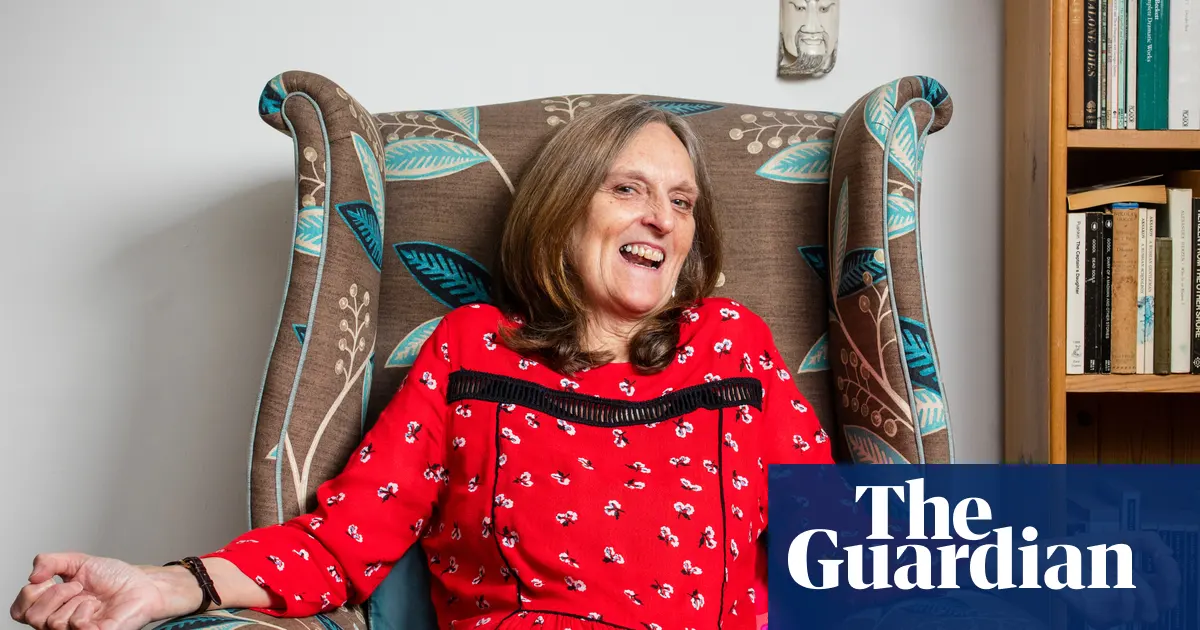
Tessa Hadley reflects on her love for literature in her new nonfiction work, Alone With a Book, which compiles essays written since 2000. Known for her insightful depictions of ordinary life, Hadley traces her evolution as a reader and writer, exploring the literary and artistic influences that have shaped her career.
Read More
Hadley describes herself as a bookish child who preferred the library to playgrounds. Her background includes a jazz musician father and a mother who was a housewife and occasional dressmaker. Influenced by their artistic household—marked by prints from artists like Amedeo Modigliani and Pablo Picasso—Hadley noted that her parents' literary interests felt secondary to their passion for music and visual arts.
For a long time, Hadley struggled with writing, viewing it as a form of failure. This perspective changed when she discovered the work of Alice Munro in the late 1980s, leading her to embrace writing about the small, ordinary details of life. Among the essays included in Alone With a Book, Hadley discusses Munro and other writers she admires, including Anne Tyler and Elizabeth Bowen.
Hadley offers sharp critiques with passion, occasionally finding herself yearning for the narrative depth of her own novels rather than the analysis of others' works. Her observations on art, albeit brief, showcase her unique perspective, demonstrating an ability to engage with visual elements in a witty manner. For instance, she reflects on Félix Vallotton's portrayal of domestic life, pondering the dynamics in the scene.
The book also touches on religious themes in art, with Hadley finding comfort in pieces like The Coronation of the Virgin by Jacopo di Cione during the pandemic. Through her reflections, Hadley advocates for the significance of literature and art during challenging times, arguing for the enduring relevance of domestic realism in art and literature.