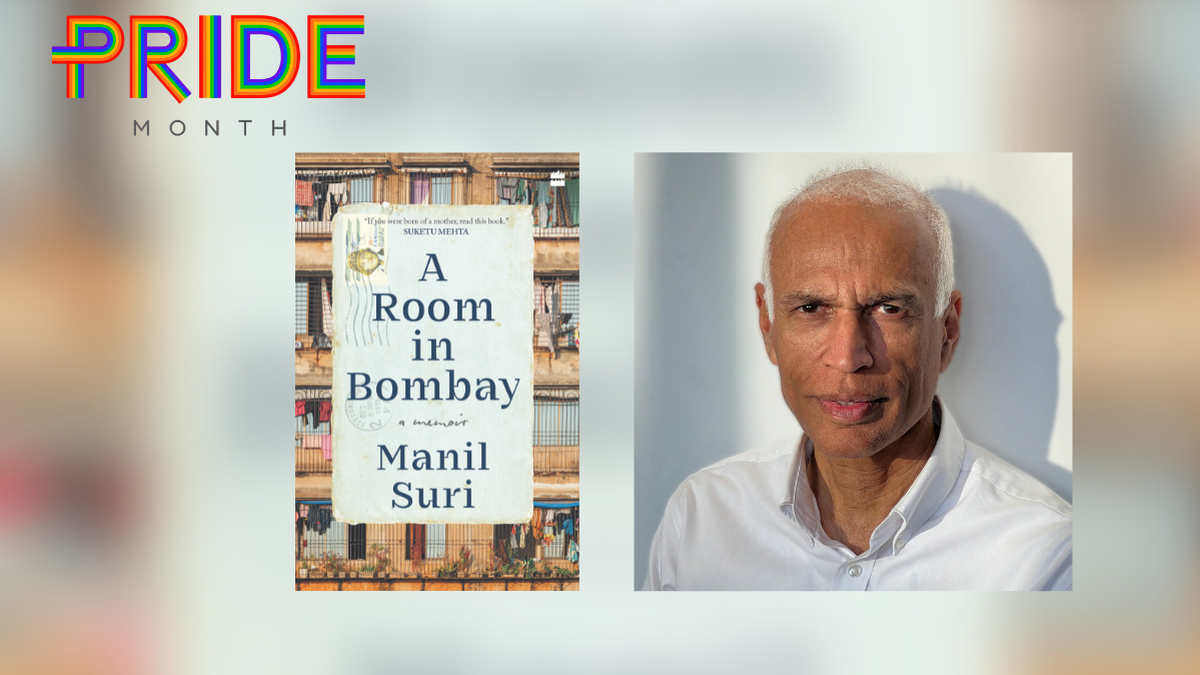
Manil Suri, a novelist and mathematics professor, reflects on 2,711 letters exchanged with his mother from 1979 to 2010 in his memoir, A Room in Bombay (HarperCollins India). These letters created a concrete foundation for his narrative, stirred by his mother’s encouragement to write about their correspondence, which Suri initially perceived more as a responsibility than an opportunity. His mother, Prem, read the first chapter before her condition worsened.
Read More
The memoir centers on themes of entrapment, symbolized by the room in Razia Mansion, where Suri's parents reunited after living separately for 11 years. Born in 1959, Suri became the focal point of their lives. When he expressed a desire to study in the U.S. at age 20, his mother indicated it was time for him to leave, though she was determined to catch a final glimpse of his departure.
Despite physically moving away, Suri felt a compelling connection to the room and his family, noting, "Whether one is talking about a room or marriage or a closet, each can either be a prison or a refuge—or both."
Prem chose to remain in their flat at Razia Mansion despite pressures from neighbors amidst rising property values in South Bombay, where she felt deeply rooted in the vibrant Kemps Corner area. Suri observed that it was her attachment to the locality rather than the physical room that she was unwilling to relinquish.
The dynamics between Suri's parents were complex; while they adored their son, affection between them was scarce. Suri acknowledges the weight of their trust on his shoulders, describing it as a formative experience rather than an indulgence. Reflecting on the influence of his mother on his perception of his father, he mentions gaining a clearer understanding of his father’s character during a visit without his mother, striving to be fair to both parents in his writings.
The memoir also paints a limited picture of Bombay in the 1970s, highlighting the climate under Section 377 of the Indian Penal Code, which criminalized same-sex relationships. Suri recounted that extortion or harassment was rarely a concern among his friends, contrasting with the vulnerability often faced by those from lower socioeconomic backgrounds.
In an era where dating apps prevail, Suri notes the challenge for today's queer youth in finding stable relationships, as one younger friend expressed the difficulty in establishing monogamous bonds amidst easily accessible sexual encounters. In contrast, Suri has maintained a 36-year-long monogamous relationship with his partner, Larry, which they navigated with humor.
Reflecting on his experience seeking mental health support for his mother, Suri emphasizes the systemic inadequacies of healthcare in India. He remembers feeling shocked to discover only two psychiatric hospitals existed in all of Bombay, with the Dignity Foundation being a crucial resource during that time. The struggles he faced highlight ongoing issues within the mental health system.