David Starkey reviews noteworthy poetry books from 2025 in his annual roundup, which showcases a broad selection of both established and emerging voices in contemporary poetry.
Read More
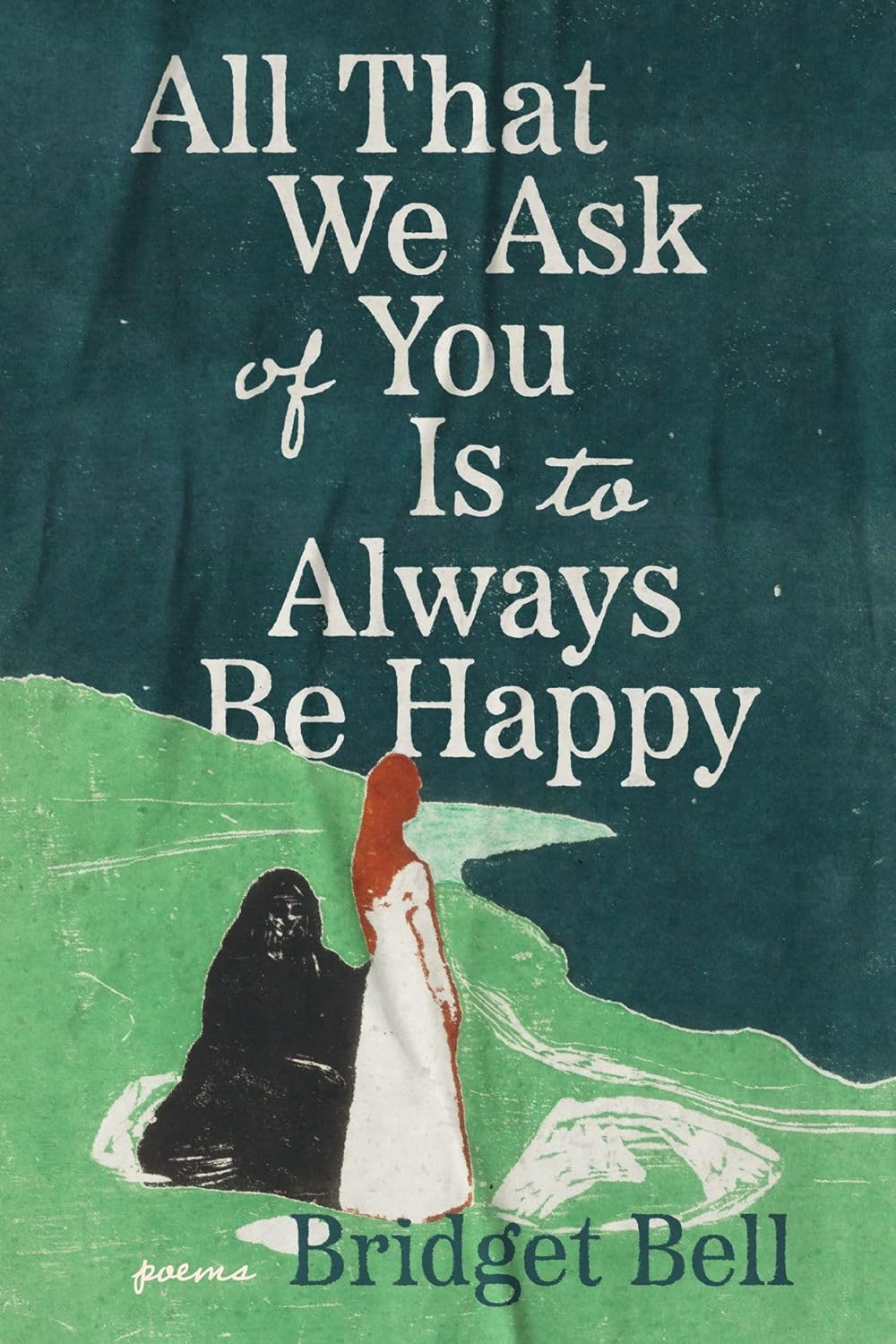
Among the highlighted collections is "All That We Ask of You Is to Always Be Happy" by Bridget Bell (Cavankerry), a poignant exploration of postpartum depression. Medical doctor Riah Patterson, in the introduction, commends the poems for capturing the essence of perinatal mood and anxiety disorders. The book opens with a striking poem that articulates the challenges of motherhood in vivid language, earning its place as a crucial read.
Fleda Brown’s "The End of the Clockwork Universe" (Carnegie Mellon) tackles serious themes, including her experience with breast cancer. Brown merges humor with gravity, providing a compelling narrative that makes complex subjects accessible to non-specialists. Her exploration of mathematics through poetry captivates a wide audience.
The extensive "Collected Poems" by Wendy Cope (Faber) showcases her wit and humor, revealing a whimsical yet poignant examination of loss and memory across nearly five hundred pages. Cope delves into life’s absurdities, playfully critiquing the vanity often found among poets.
Catherine-Esther Cowie’s "Heirloom" (Carcanet) addresses the historical struggles faced by four generations of Santa Lucian women, grappling with themes of violence and resilience through vivid imagery and powerful language.
Cynthia Cruz's "Sweet Repetition" (Chicago) channels surrealism and nostalgia in its explorations of life’s chaos, utilizing a structured repetition that deepens the reader's engagement upon multiple readings.
Jennifer Bowering Delisle's "Stock" (Coach House) critiques the ubiquity of stock photography, subverting the clichés typically associated with it by presenting fresh perspectives on common imagery, highlighting identity and societal norms.
Moira Egan’s "The Furies" (LSU) blends formality with fiery emotional depth, drawing inspiration from Greek mythology while incorporating contemporary themes. Her work entwines cultural references with personal reflections, resonating with readers.
In "Ungrafted: New and Selected Poems" by Claudia Emerson (LSU), previously uncollected works reveal Emerson’s talent for crafting complex analogies and evocative imagery, cementing her legacy as a masterful poet.
Sarah Gordon’s "Six White Horses" (Mercer) examines loss and memory, weaving personal histories with broader societal reflections. Through her poetic lens, she reveals the human experience in all its complexity.
Brian Gyamfi’s "What God in the Kingdom of Bastards" (Pittsburgh) employs playful yet serious tones in investigating identity and cultural experiences, deftly balancing humor with poignant observations.
The comprehensive "The Poems of Seamus Heaney" (Farrar, Straus and Giroux) is a monumental collection for any poetry enthusiast, providing a refreshing retrospective of Heaney's oeuvre, alongside unpublished and previously uncollected works.
Julie Kane’s "Naked Ladies: New and Selected Poems" (LSU) combines narrative with lyrical forms, while Julia Kolchinsky’s "Parallax" (Arkansas) intricately explores war and identity through multiple perspectives.
Brad Leithauser’s "The Old Current" (Knopf) offers a mix of light verse and deeper autobiographical themes, reflecting on life with a contemplative yet humorous approach.
Robin Coste Lewis’s "Archive of Desire" (Knopf) presents a long poem reflecting contemporary issues and personal history, striking a balance between tradition and modernity.
Ada Limón's "Startlement: New and Selected Poems" (Milkweed) asserts the vibrancy of life, sparking curiosity and exploration through dynamic imagery.
Esther Lin’s "Cold Thief Place" (Alice James) navigates her complicated heritage and family history, evoking universal themes of identity through personal narrative.
Wayne Miller's "The End of Childhood" (Milkweed) is characterized by a series of free verse couplets that reveal complex themes of innocence and loss, engaging the reader with powerful storytelling.
Harryette Mullen’s "Regaining Unconsciousness" (Graywolf) showcases her inventive use of language across multiple narratives, engaging with social commentary and personal reflection.
Eiléan Ní Chuilleanáin’s "The Map of the World" (Wake Forest) captures the rhythm and wit of Irish poetry while addressing diverse subjects with sharp insights.
Pádraig Ó Tuama’s "Kitchen Hymns" (Copper Canyon) combines humor with profound questions about existence, inviting readers to reflect on personal and collective narratives.
Jim Peterson’s "Towheaded Stone Thrower: The Harriet Poems" (Press 53) serves as an intimate homage to his late wife, celebrating shared memories and deep emotional connections.
Stanley Plumly’s "Collected Poems" (Norton) reveals his narrative storytelling ability imbued with rich imagery and emotional depth, capturing the essence of his poetic voice.
Edward Salem’s "Monk Fruit" (Nightboat) employs humor and sharp wit to critique personal and political experiences through a unique lens.
Robyn Sarah’s "We’re Somewhere Else Now" (Biblioasis) reflects on the pandemic experience, skillfully translating loss into moments of consolation and happiness.
Richard Siken’s "I Do Know Some Things" (Copper Canyon) consists of prose poems that vividly narrate complex personal histories while maintaining a memorable clarity and irony.
Patricia Smith’s "The Intentions of Thunder: New and Selected Poems" (Scribner) tackles themes of race and history with layered irony, ultimately presenting a narrative of resilience and joy.
MaKysha Tolbert’s "Shade is a Place" (Penguin) documents her experiences with community and nature, promoting a fresh dialogue on identity and place.
Ryan Vine’s "The Cave" (Texas Review) captures the joys and challenges of fatherhood, intertwining personal anecdotes with rich poetic expressions.
Rosanna Warren’s "Hindsight" (Norton) continues to impress with vibrant imagery and sound, exemplifying her mastery over language.
AJ White’s "Blue Loop" (Georgia) explores themes of addiction and recovery through intense emotional landscapes, depicting a journey toward self-discovery.