After decades in journalism, primarily with Newsday on Long Island, a seasoned journalist reflects on how a high-profile murder case prompted a shift to fiction writing. The journalist covered various beats, including criminal trials, and aspired to write a true-crime book akin to Truman Capote's *In Cold Blood*.
Read More
In the 1980s, the murder of Roy Radin, a Southampton businessman involved with drug dealers, offered an ideal subject. The journalist reported on the investigation by the Los Angeles Police Department, which eventually led to a trial regarding Radin's death. This experience resulted in the journalist's first book, *Bad Company: Drugs, Hollywood and the Cotton Club Murder*, and garnered a positive blurb from Vanity Fair writer Dominick Dunne.
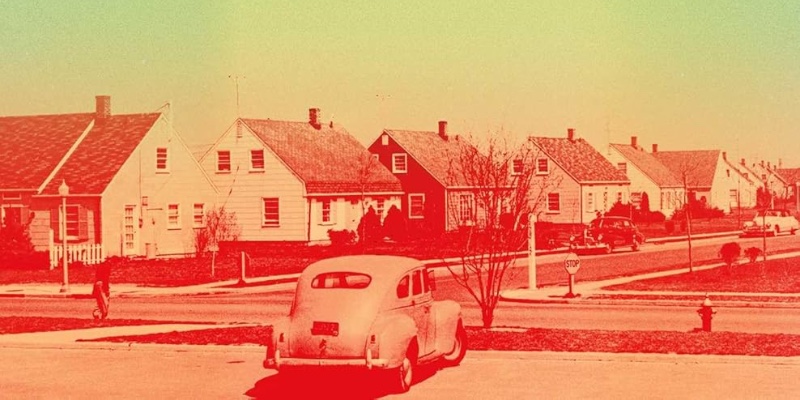
Despite successfully publishing two additional nonfiction books, the journalist was drawn to another murder case—one that, while rich in detail, diverged from the true-crime narrative. In September 1954, during the World Series, a woman from Lindenhurst, Long Island, was found murdered, and decades later, an arrest was made in what was thought to be New York State's oldest cold case.
During this trial in the mid-1980s, the defendant, Rudolph Hoff, was implicated after shocking testimony from his ex-wife revealed that he had ordered her to wash blood from his clothes on the night of the murder. Evidence she buried in her backyard ultimately led to his life sentence.
Later, interviewing Hoff in prison, the journalist noted Hoff's references to Richard Hauptmann, who was convicted of the famous Lindbergh kidnapping in 1932, suggesting parallels between their cases. This piqued the journalist's curiosity about the evidence and the historical context surrounding Hauptmann's conviction and execution.
Despite finding the Hoff case compelling, the journalist determined that it lacked the depth for a full true-crime book. Instead, they conceived a fictional narrative set against the real events, focusing on a detective character struggling with PTSD from World War II, who partners with a Holocaust-survivor physician to investigate the murder.
This led to the creation of *The Ruins*, marking a significant transition from factual reporting to storytelling. The challenges posed by fiction, particularly in terms of narrative flow and character development, offered a new avenue for exploring truth. The journalist hopes to continue this fictional journey with a sequel, embracing a new method of recounting real stories.