The New Yorker typically features political and legal commentary, but here, I present a selection of noteworthy mystery novels from the last twenty years, with acknowledgment to the true experts in the genre.
Read More
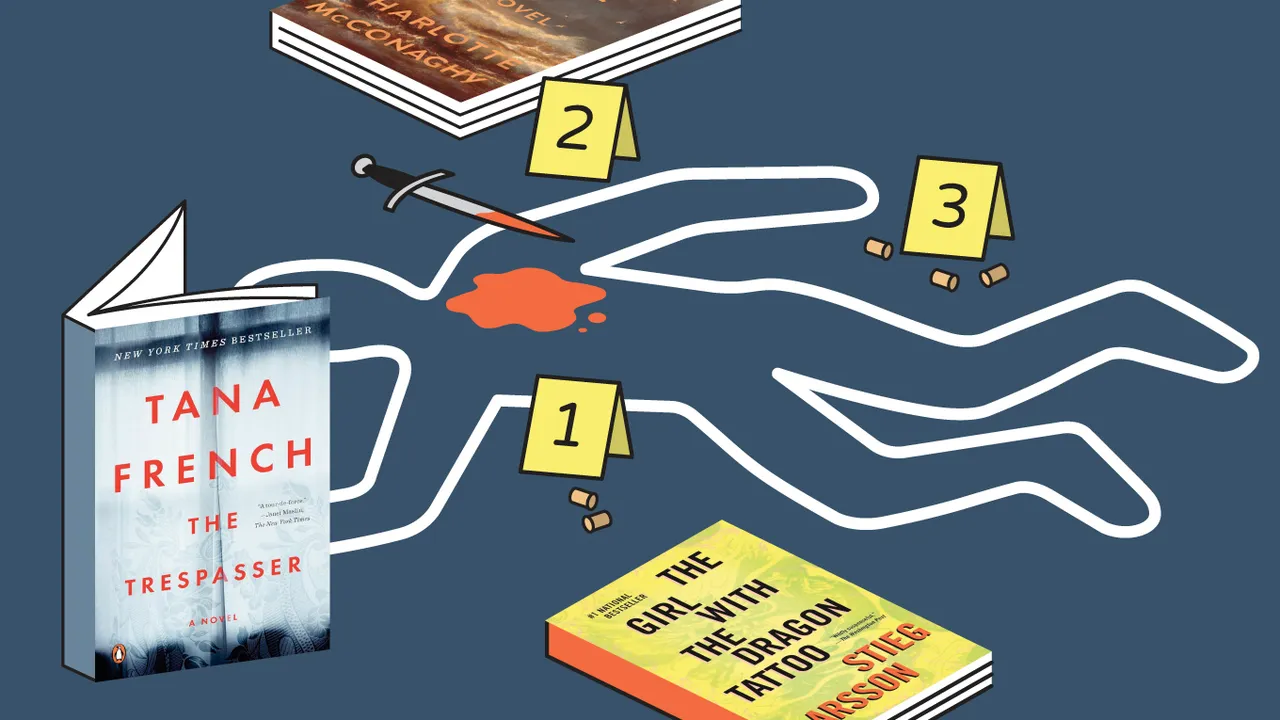
One standout is “The Trespasser” by Tana French. With ten novels to her name, including the “Dublin Murder Squad” series and a standalone book, French has garnered significant acclaim. Despite nine of her works appearing on a recent Times list of the “Best Thrillers of the Century,” “The Trespasser” did not make the cut. This novel revolves around the murder of a young Irish woman in her new home and has stayed with me, particularly the impactful final interrogation scene.
Another compelling read is “When Will There Be Good News?” by Kate Atkinson. As the third installment in her “Jackson Brodie” series, the narrative unfolds primarily in Scotland, centering on the disappearance of a mother and her baby following a family murder. The character Reggie Chase, who draws Brodie into the investigation, returns as a detective in other Atkinson works.
Stieg Larsson’s “The Girl with the Dragon Tattoo” also deserves mention. Its significant cultural impact has led to imitations, parodies, and cinematic adaptations. Initially, I found the book’s presentation of responses to sexual trauma perplexing. However, revisiting it revealed layers of nuance and depth that I had not previously grasped.
Charlotte McConaghy’s “Wild Dark Shore” blends elements of climate fiction with mystery. Set on an Antarctic island scientific station facing evacuation due to rising sea levels, the story involves a shipwrecked woman unraveling a missing researcher’s mystery, alongside themes of loss and what should be preserved. It offers a contrasting viewpoint of resilience compared to Larsson’s novel.
As a bonus recommendation, “Women Crime Writers: Eight Suspense Novels of the 1940s & 50s,” edited by Sarah Weinman, collects several suspenseful works, including Vera Caspary’s “Laura” and Patricia Highsmith’s “The Blunderer.” While outside the twenty-first-century time frame, this collection provides valuable context about mid-century America’s unsettling landscape.