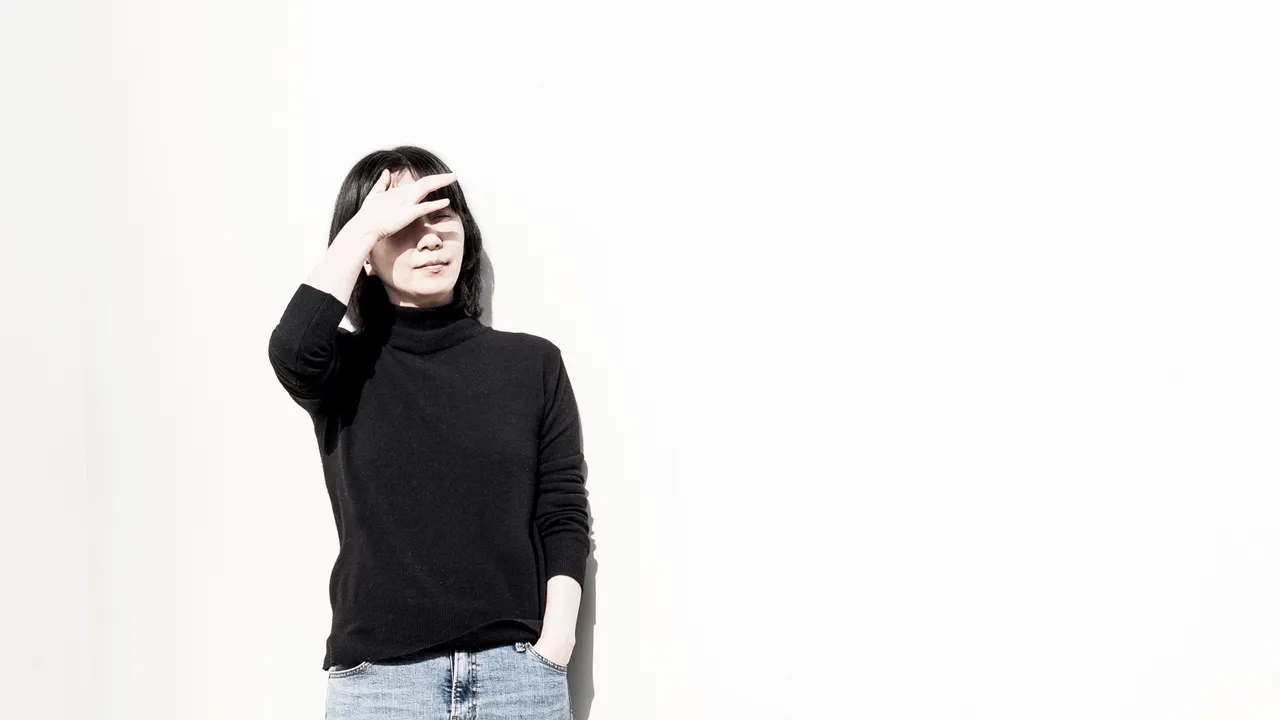
South Korean author Han Kang rose to prominence in English literature after the 2007 release of her acclaimed novel, The Vegetarian. This work explores themes of patriarchy and personal autonomy through the story of a family's struggle with a woman's decision to stop eating meat. Since then, her body of work has expanded significantly, addressing broader societal issues.
Read More
In her 2011 novel Greek Lessons, Han examines isolation and connection through the relationship between a woman who has lost her voice and a man losing his sight. The White Book, published in 2016, offers a poignant reflection on loss, while Human Acts (2014) and We Do Not Part (2021) delve into generational trauma and historical violence in Korea. Han's storytelling evolved alongside her recognition, culminating in her award of the 2024 Nobel Prize in Literature.
Her latest English book, Now Light and Thread, is a blend of her Nobel lecture, poetry, essays, and diary entries. It intertwines her personal life with her literary themes, revealing insights into her creative process and the physical spaces where she writes and gardens. In a recent interview with Vogue, conducted through a translator, Han discussed the resilience needed to counteract violence and how imagination can provide solace amid despair.
When asked about her preference for writing novels over poetry, Han explained that while she occasionally writes poems, novels require rigorous exploration and deep questioning over many years. The essay “After Publication” reflects on her transformative journey through the writing process, noting the impact of completing a novel on her personal growth.
Han also shared that her writing routine is most structured when she is actively working on a novel, emphasizing the importance of returning to her desk repeatedly. Outside of writing periods, she prefers a more relaxed lifestyle without a strict routine.
The connection between gardening and writing is significant for Han, who aims to imbue her work with light. She meticulously tends her small, shaded garden, using mirrors to reflect sunlight onto her plants, hoping this imagery resonates throughout Now Light and Thread.
In her Nobel speech, she questioned the depths to which humanity can reject violence. Reflecting on current global issues, she expressed admiration for those who oppose violence, even in dire situations. She highlighted a theme from her recent work We Do Not Part, where characters choose to mourn without saying goodbye—a testament to resilience and hope.
We Do Not Part addresses the Jeju Massacre of 1948, drawing inspiration from a striking dream about graveyard trees and a flooding sea. This imagery set the tone for the novel’s development. When discussing lessons from South Korea’s historical state violence, Han warned against hatred and exclusion, urging vigilance against their repetition.
The Vegetarian resonates strongly with readers, as it encompasses rejection of violence, human despair, and the muted struggles of women. Han's earlier statement about her most cherished work, Human Acts, remains true, as the intense writing process deeply affected her and connects to other narratives she's created.
Han underscored the vital role of literature in difficult times, describing its capacity to evoke strong emotions, which serves as both painful and necessary. Her hopes for the future lean toward nurturing fragile but sincere hope, encouraging resilience over despair.