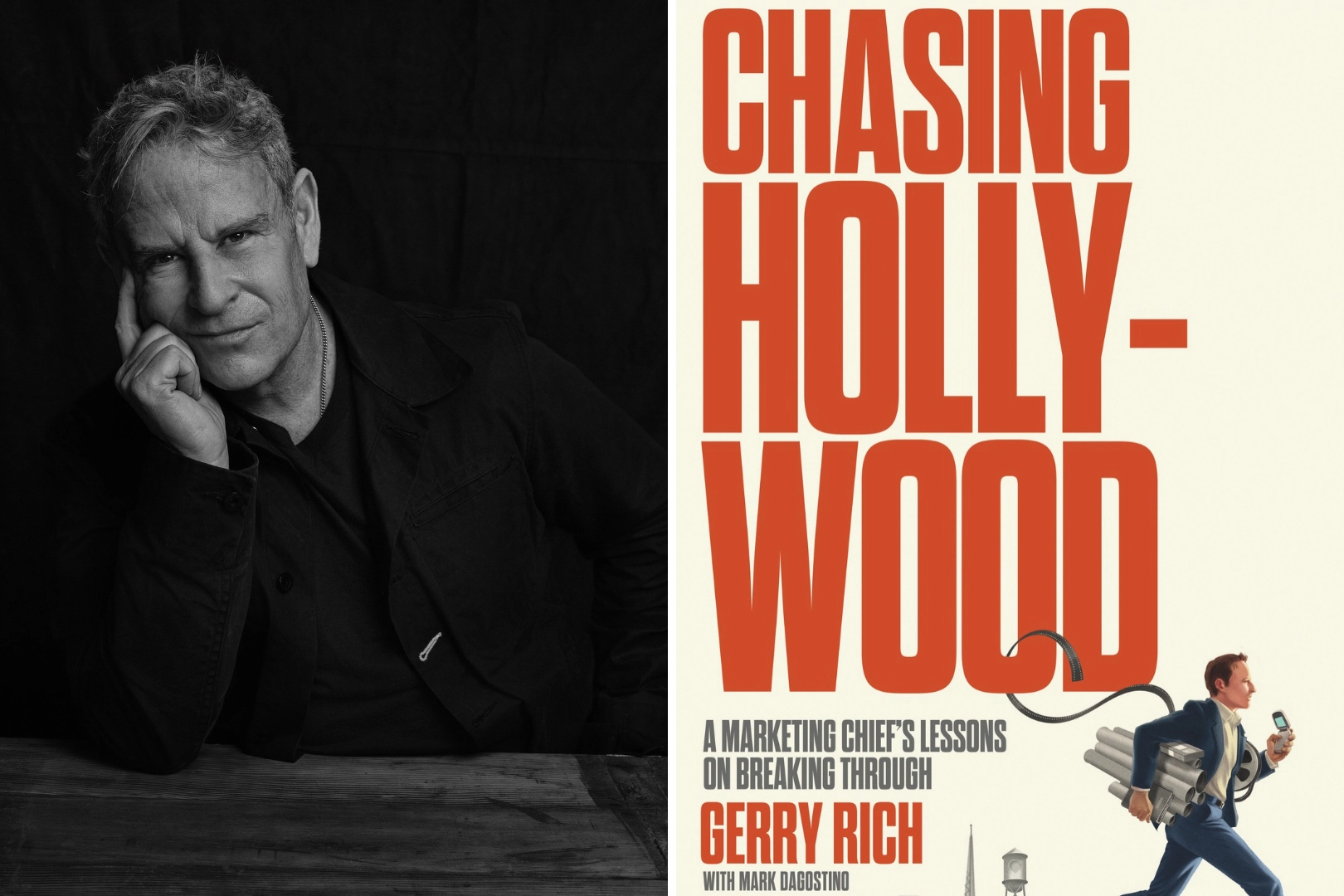
Gerry Rich's memoir, Chasing Hollywood, is set to be released on October 13th. The book chronicles his journey from a young boy in St. Louis to a prominent marketing executive in Hollywood.
Read More
Rich's career spans decades at major film studios including Columbia Pictures, Miramax, and Paramount, where he has been recognized as one of the Top 100 Marketers in America by Ad Age. Throughout his career, he has also consulted for Universal Pictures and various top film financiers.
In a recent Zoom interview, Rich shared insights into his motivation for writing the memoir, explaining that the timing felt right as he reflected on a transformative period in the film industry and his personal experiences. "After marketing stories and storytellers for three decades, I wanted to tell a story, and this is the story I know best," he said.
Each chapter of Chasing Hollywood concludes with insights that Rich emphasized are designed to resonate beyond just those in the film industry. He opted for the term 'insights' rather than 'lessons' to avoid any implication of homework, focusing instead on making them relatable to anyone pursuing challenging dreams.
Rich described the book as offering a unique perspective on Hollywood marketing, suggesting it combines elements of Mad Men with a fresh take on the filmmaking process. He aims to provide valuable marketing insights that are often overlooked in the industry.
Recording the audiobook himself was an important milestone for Rich, who found the five days of studio work to be a rewarding experience. He expressed satisfaction in bringing his own emotional nuance to the recording, as he typically operates from the production side of voice talent.
Reflecting on his career, Rich noted the shift in the entertainment industry, pointing out that the larger-than-life personalities he encountered in his youth, such as Cubby Broccoli and Sherry Lansing, differ markedly from today's industry leaders.
When discussing the trend of book-to-film adaptations, he acknowledged that while some adaptations succeed due to existing fan bases, not all are executed well. He cited both successes and failures in recent adaptations, emphasizing the importance of staying true to the source material.