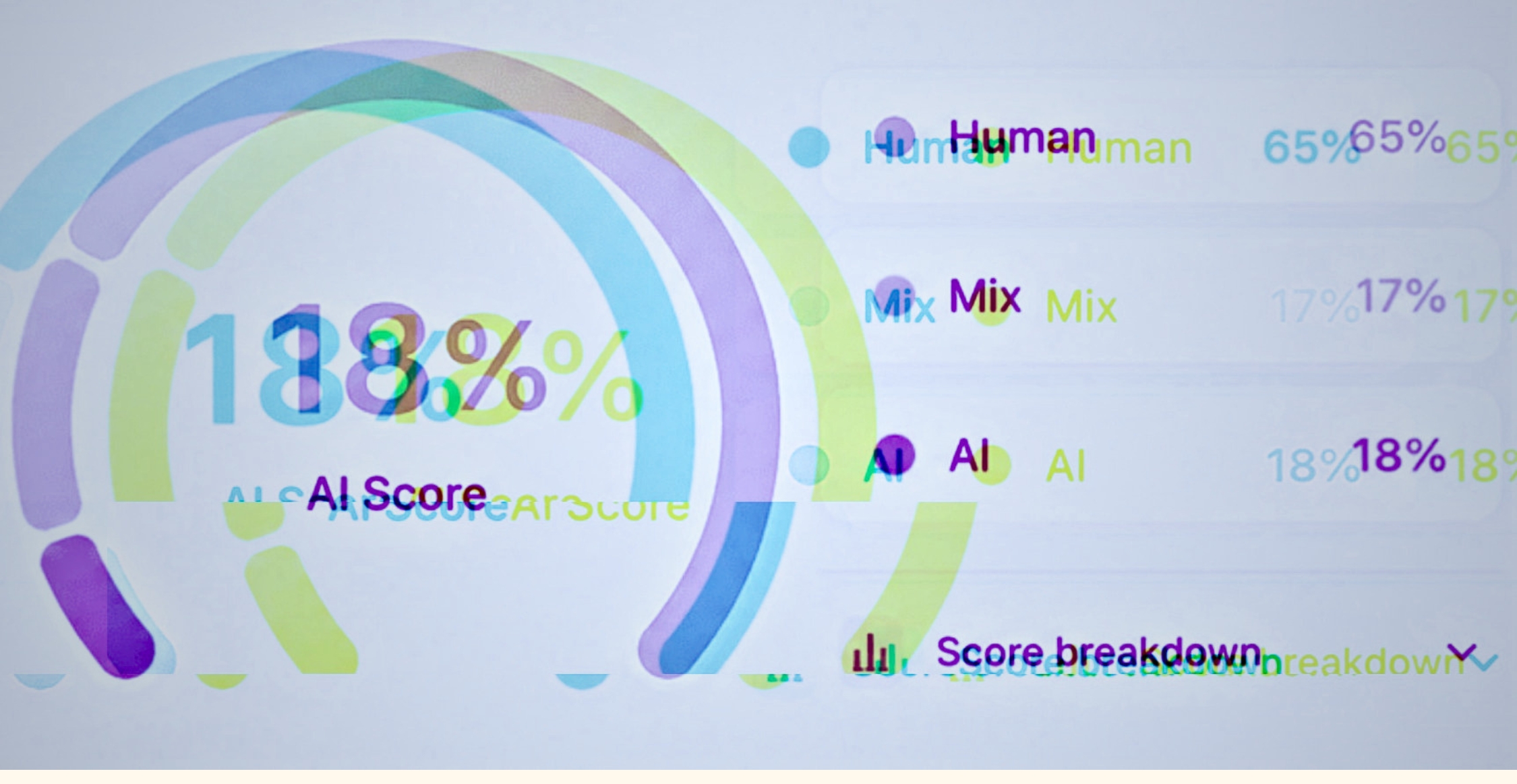
Vauhini Vara recently published an article in The Atlantic examining claims that "The Blue Fighter," a short story by Zimbabwean writer Simbarashe Steyn Kundizeza, may have been generated using AI. This assertion follows the story's recognition with the 2026 Caine Prize. Vara's investigation involved a close reading of the text and analysis through the AI detection tool Pangram, which flagged much of the story as AI-generated.
Read More
This incident marks the third occasion this year where major literary awards, including the Commonwealth Prize and the Prix Goncourt, have faced scrutiny over potential AI involvement in submissions. Following the initial findings, the Caine Prize team has opened an investigation but intends to rely on a human approach rather than automated tools. Ellah Wakatama, chair of the Caine Prize’s board, stated her preference for direct assurances of honesty, saying, “if there is such an accusation, I want proof that does not come from a machine.”
In his defense, Kundizeza has denied using AI, asserting the story is entirely his own. In a lengthy post on X, he shared a documented history of his writing process, emphasizing his commitment to authenticity. The cultural implications of the accusations have been noted, particularly given the prize's focus on celebrating African literature and voices.
The scrutiny surrounding these claims also echoes ongoing concerns about the reliability of AI detection software, especially regarding non-Western writing styles. A recent 2023 Stanford study highlighted biases in existing AI detectors, indicating they performed well on texts by U.S.-born students but misclassified a significant number of non-native English essays as AI-generated.
The Caine Prize's investigation is being approached with sensitivity, aiming to support writers and their reputations throughout the process. This focus reflects an understanding of the broader implications of AI's encroachment on literature. Through conversations with prominent voices in literature, including former Caine-winner Tope Folarin, the complicated dynamics of writing within marginalized communities are becoming increasingly apparent.
Vara's work touches on these complexities, particularly in relation to her own experiences with AI in writing. Her past engagement with generating text using AI has sparked discourse about the role of technology in creative fields, raising concerns about the potential legitimization of AI-generated content and its consequences for literary industry standards.
As this debate continues, industry leaders and writers alike are encouraged to critically assess AI's role in their work, emphasizing the need for discernment as technology rapidly evolves.