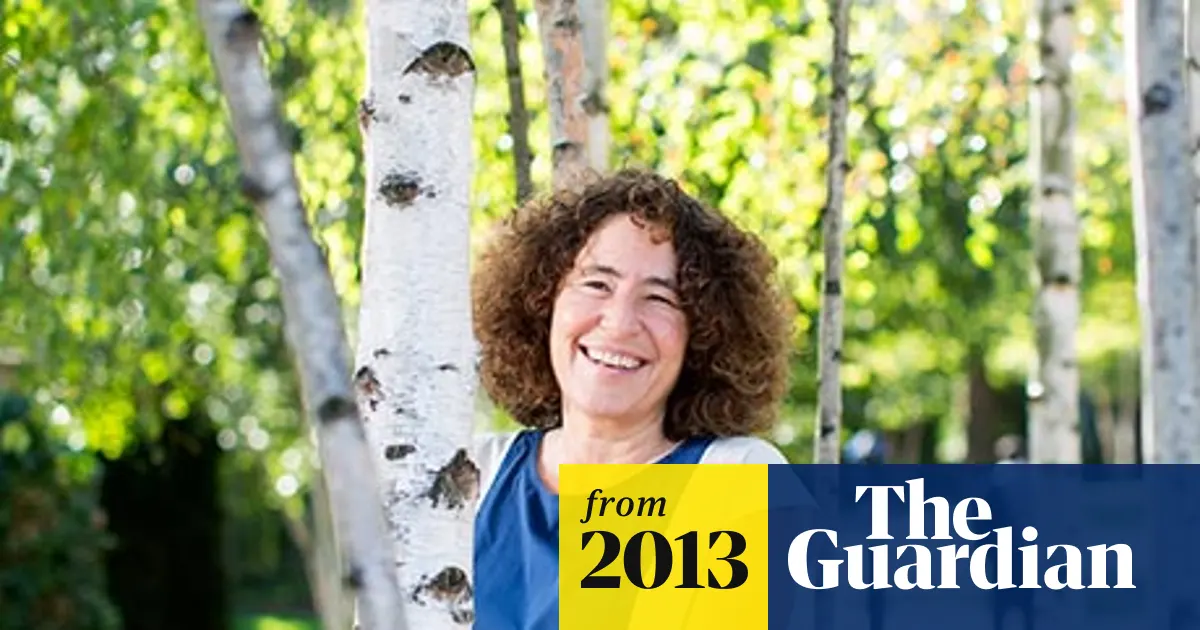
Francesca Simon, bestselling author of the Horrid Henry series, has always had a deep connection to literature, stemming from her childhood when she often appeared at breakfast with ink smudged on her face from late-night reading sessions. Simon recalls her love for books during her upbringing, reminiscing about being captivated by myths, fairytales, and various literary genres.
Read More
Approaching 60, Simon's curiosity and lively energy remain evident in conversations that can shift from PG Wodehouse to Norse mythology. Her upbringing in a bohemian Jewish American family, where her father was a screenwriter, shaped her creative perspective. She describes her childhood as chaotic and nomadic, living in California, England, and France, which broadened her worldview.
Simon's early experiences in Malibu, where celebrities like Judy Garland resided, left a lasting impression on her. She fondly reminisces about family dynamics that included playful competition over food, which resonates with themes in her children's books.
After attending Yale and experiencing a pivotal Old English course, Simon pursued a career in journalism before committing to children's literature. She began writing after her son, Josh, was born, realizing that her challenges in finding her voice in writing led her to create Horrid Henry. Initially a single story, the character exploded into a series after several trials and school visits provided her insights.
The 1990s proved to be a transformative period for children's literature. Simon notes that attitudes began changing regarding the validity of children's books, especially as authors from other genres sought to write for young audiences. Her own Horrid Henry series, consisting of 22 titles that have sold more than 18 million copies, contributed significantly to this cultural shift.
Currently embroiled in a legal dispute with Novel Entertainment over royalties for the Horrid Henry television adaptation, Simon asserts that her stories were primarily for herself, though they resonate with themes familiar to children. Her narrative style focuses on the complexities of childhood.
As she promotes her new book, The Lost Gods, Simon emphasizes that it is designed for an older, crossover audience while not venturing into adult literature. She aims to provide readers with something distinct while drawing inspiration from her previous work.
The Lost Gods merges contemporary themes with Norse mythology, exploring concepts such as fame and monotheism through a modern lens. Simon's creative process often involves significant historical and cultural questions, leading her to ponder how figures like Tolkien might view her modern interpretations of ancient myths. Ultimately, her choice to live a longer, ordinary life reflects her personal values and artistic journey.