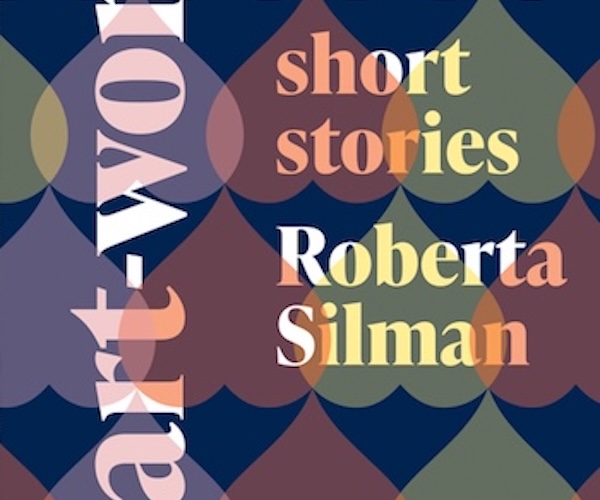
Roberta Silman, a senior contributor for Arts Fuse, has established herself as a prominent novelist and short story writer. With five novels to her name, including Boundaries (1979), Beginning the World Again (1990), and Summer Lightning (2022), Silman first received acclaim for her collection of short stories, Blood Relations, published in 1977. This debut collection earned her Honorable Mentions for both the PEN Hemingway Prize and the Janet Heidinger Kafka Prize.
Read More
Critic Melvin Maddocks recognized Silman’s keen attention to detail, noting the vivid descriptions of the landscapes and lives within her stories. Her latest collection, Heart-work, continues this tradition, exploring the complexities of domestic life.
In an email interview, Silman reflected on her changing approach to short stories over the years, influenced by cultural shifts in family dynamics. She finds short stories gratifying because they can be contained within one’s mind, allowing for manageable beginnings and endings even if they shift during the writing process. She began writing in 1964 while raising her young children, viewing the short story format as more achievable compared to novels.
Silman’s early inspirations came from her own life experiences as a Jewish woman in mid-20th century America, with influences from literary contemporaries like Philip Roth and John Updike. After several years of writing without publication, she pursued a Master's degree in Writing at Sarah Lawrence College, where she studied under Grace Paley and Jane Cooper. Her first published story appeared in The New Yorker in 1973, leading to the publication of Blood Relations.
Her narrative style has evolved, particularly in her most recent stories, such as “The Alphabet of Joy,” a sequel to a piece from her first collection. This transformation reflects Silman’s willingness to create characters entirely from her imagination and explore familiar themes with a renewed perspective. The story uses whimsical interactions with historical literary figures, illustrating the connection between past and present.
Silman acknowledges that societal changes have impacted perspectives on marriage, family, and the nuances of daily life, arguing for the importance of self-respect and respect for others amidst these shifts. She addresses contemporary issues like work-life balance and social equity, believing that her work embodies a sense of resilience and an optimism about the human spirit.
While she insists that fiction does not have a duty to deliver messages, Silman sees her writing as an affirmation of life, rooted in themes of love and connection. Currently, she is working on a novel titled The Russian Lesson, which explores the tumultuous period in Russia between 1913 and 1922 through the eyes of a young American journalist. This project connects back to themes and settings found in her earlier work, showcasing her continued engagement with historical and emotional truths.