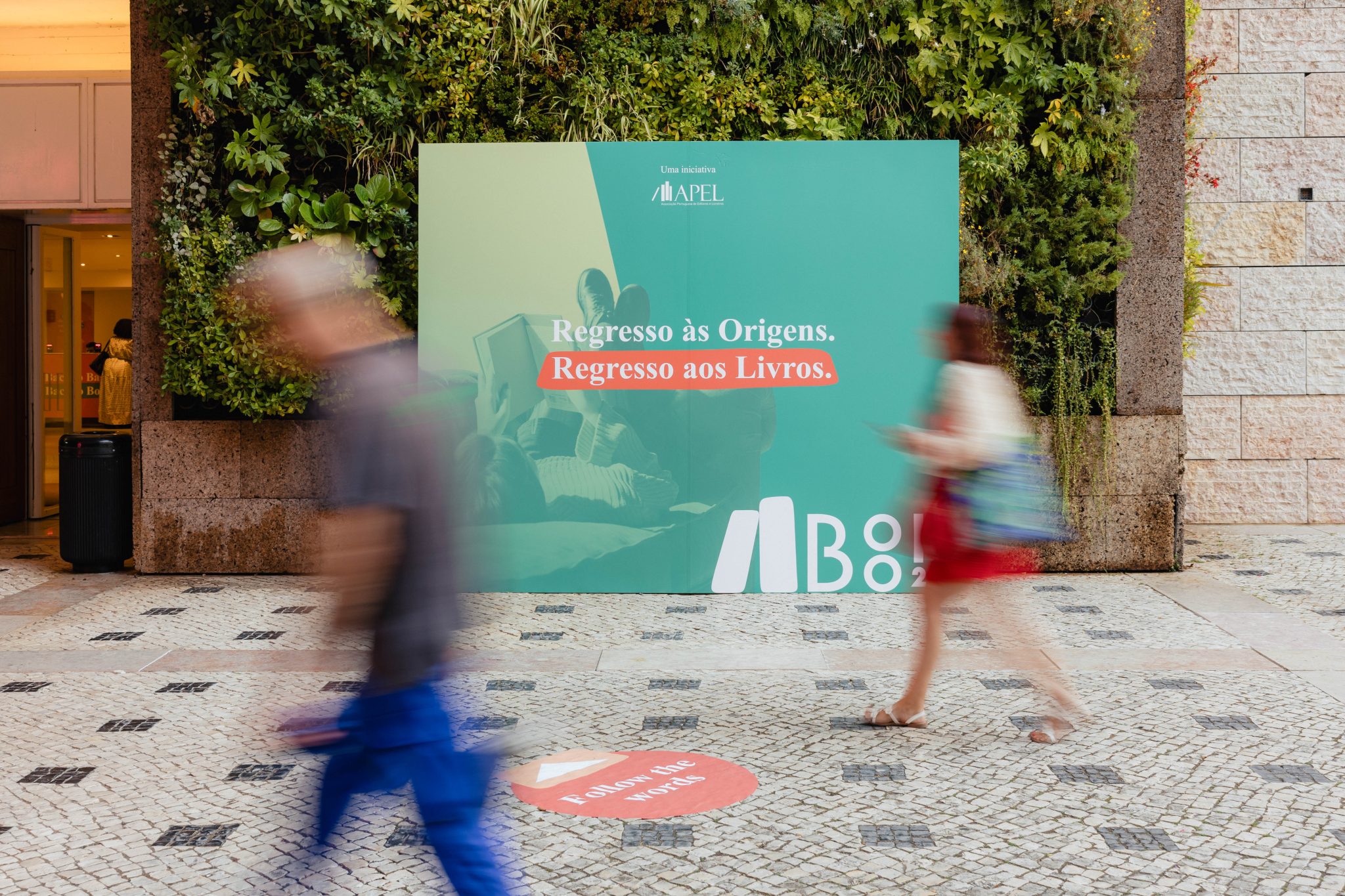
The fourth annual Book 2.0 conference, organized by the Portuguese Association of Publishers and Booksellers (APEL), took place last week at the Centro Cultural de Belém in Lisbon, focusing on the theme “Back to Basics. Back to Books.” The event highlighted the significance of reading for individual well-being and national strength, featuring prominent speakers such as José Tolentino Mendonça, Prefect of the Dicastery for Culture and Education at the Vatican, former Finnish Prime Minister Sanna Marin, and President of Portugal António José Seguro.
Read More
In his opening remarks, Miguel Pauseiro, President of APEL, acknowledged the challenges of encouraging a reading culture, indicating that for many, reading is not yet a priority. He emphasized the industry's responsibility to eliminate barriers to reading and collaborate with government partners to inspire potential readers.
Nuno Crato, a former Minister of Education and Science in Portugal, remarked on a global decline in reading, noting that people often feel too busy and uncertain about what to read. He highlighted a troubling trend among young people characterized by “hasty reading,” where reading is approached as a task rather than a pleasure, negatively impacting comprehension.
Emma House, an international publishing consultant, stressed that early exposure to reading by parents can mitigate these habits and foster a love for literature. Maria Eduarda Reis, Chief Medical Officer at Grupo Lusíadas Saúde, reinforced that reading is beneficial for cognitive health, suggesting reading long-form texts for at least six minutes a day to improve mental wellbeing and prevent issues such as dementia.
Diogo Moura, a Councilor for Culture, Economy, and Tourism at Lisbon City Hall, noted that bookstores serve as vital public spaces for dialogue across generations, enhancing community interaction. The discussion also underscored the importance of preserving local culture and language in an increasingly globalized world.
Concluding the conference, President António José Seguro passionately advocated for valuing the Portuguese language. He expressed concern over the diminishing appreciation for the language among youth in media and politics, declaring its significance as a cultural treasure that embodies memory and identity.