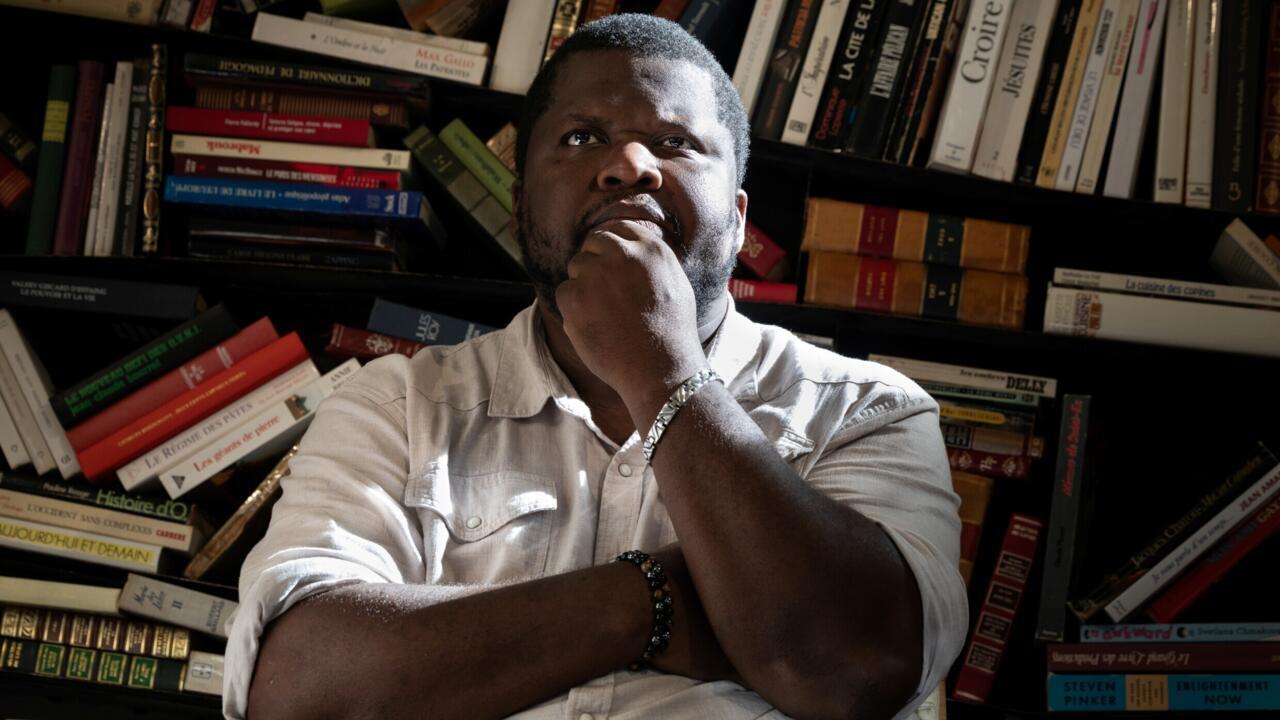
The organizers of the Prix Goncourt, France's leading literary award, announced on Friday that they have removed a novel by Canadian-Haitian writer Thélyson Orélien from its longlist. This action follows claims on social media suggesting that artificial intelligence was employed in the writing of his book, "It Was Either That or Die." The Goncourt Academy stated that the decision aims to preserve the integrity of the prize, which is dedicated to honoring authentic literature by human authors.
Read More
Orélien has denied the accusations of using AI in his writing, which surfaced from an account named "Balance ton Claude" (Expose Your Claude). The controversy has prompted significant discussion in the French literary community and raised broader concerns about the impact of AI on literature. Initially, Orélien's book was among a longlist of over a dozen titles competing for the prestigious award, with a shortlist to be announced on October 6.
The Academy cited findings suggesting that a significant portion of the novel may have been generated by AI and addressed plagiarism allegations. They emphasized that the withdrawal of Orélien's book was a necessary action to signal their disapproval of literature produced with AI assistance.
Samuel Fitoussi, a French essayist and one of the contributors to the "Balance ton Claude" account, stated that he partook in this project out of concern that AI could threaten traditional reading and writing. He suggested that as AI technology improves, it could eventually produce exceptional works without human intervention. He expressed the belief that writers using AI-generated content and claiming it as their own compromise their ethical obligations to readers.
Boreal, Orélien's publisher in Canada, announced a suspension of promotional activities for his book to protect the author following the allegations. They stressed the importance of not making hasty conclusions as they work to clarify the situation. Orélien, who is debuting in over 20 countries, has strongly refuted the claims, stating his passion for writing and his commitment to providing evidence of his authorship.