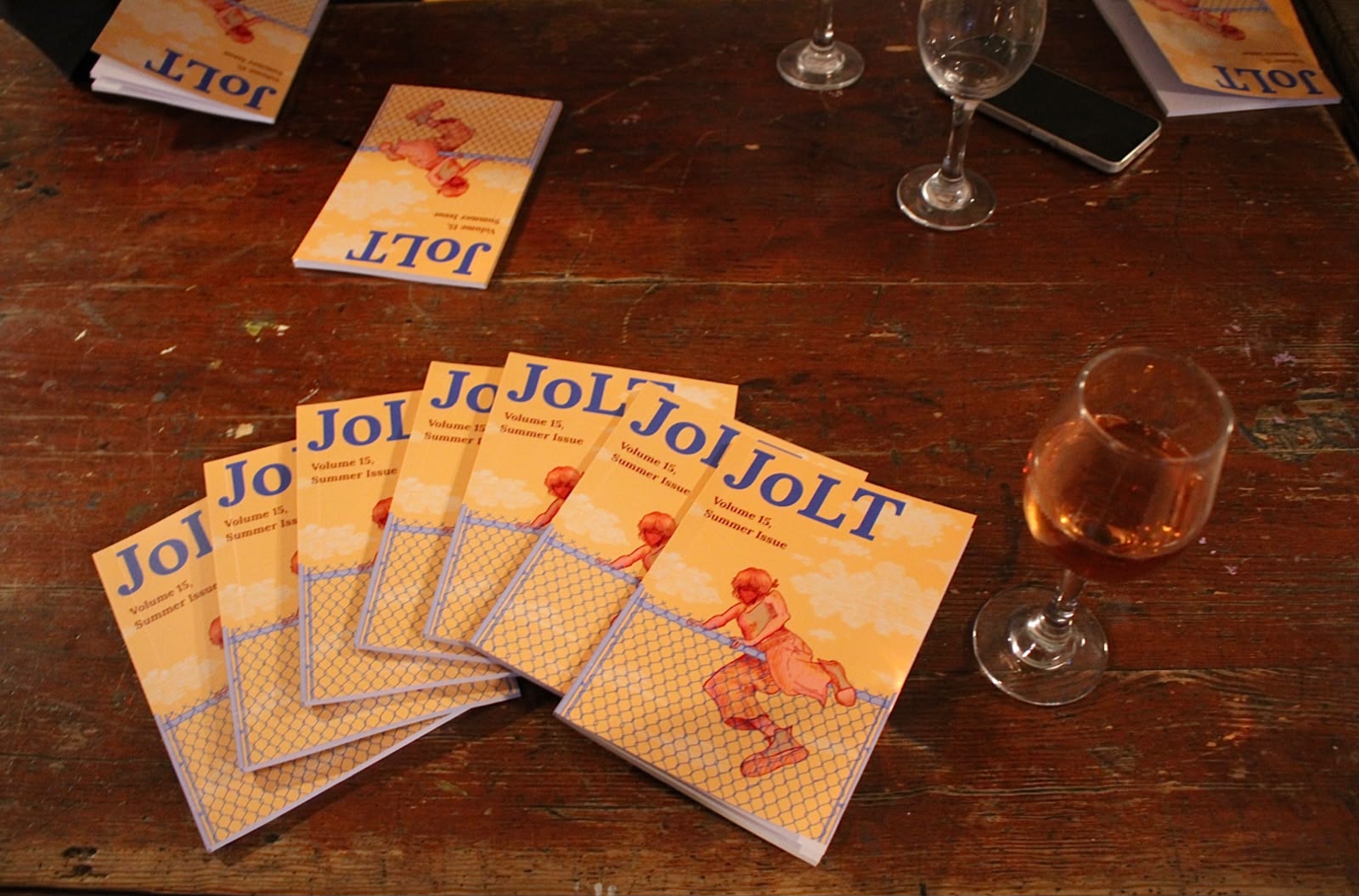
Jules Nati, the editor-in-chief of the Trinity Journal of Literary Translation (JoLT), oversees a unique literary journal that focuses on translation in Ireland. Founded in 2013, JoLT is the only literary journal in the country dedicated to showcasing translations, featuring literary excerpts from various foreign languages along with English or Irish translations provided by contributors. The Summer edition, published on October 1st, centers around the theme of “Rebellion” and includes a diverse collection of poetry and prose.
Read More
Nati, originally from Italy and currently in her fourth year studying English, has a personal connection to translation, recalling that her first literary work was “Little Women,” which she read in translation as a child. She is now writing her dissertation on the same novel. Nati became involved with JoLT during her first year at Trinity, initially submitting her translation of Cesare Pavese’s poem “Verrà la morte e avrà i tuoi occhi.” She describes JoLT as a “welcoming place,” an experience that influences her approach to handling submissions. She recognizes the personal nature of contributors’ work and finds it challenging to reject pieces.
Nati’s selection process for published works involves practical considerations like extract length, language diversity, and copyright permissions, but the literary quality of translations— including those from languages she does not speak—also plays a crucial role. She relies on a team of language editors to assess submissions, with final decisions resting with her. For less commonly spoken languages, Nati emphasizes the importance of seeking assistance from Trinity's diverse student body, composed of individuals from 126 countries, to ensure a qualified review of the pieces.
Nati appreciates translations that feel as if they were originally written in English, arguing against the notion that English literature alone is sufficient. She asserts that reading translated works provides invaluable insights into other cultures, allowing readers to step outside their own experiences.
For the upcoming year, JoLT aims to enhance its visibility, as many Trinity students are unaware of the journal. Plans include boosting their social media presence and increasing engagement with potential contributors for both writing and editorial roles. Additionally, JoLT will accept artwork related to each edition’s theme to broaden participation.
The rise of AI in translation is another topic of concern for Nati. A survey from the Society of Authors (UK) indicated that 36 percent of translators reported losing work due to AI capabilities, while 77 percent feared a decrease in future income. Nati is skeptical about AI, noting that while it has improved, it fails to capture the nuances and depth often present in literary works.
JoLT strives to celebrate translation as a creative art form that conveys the essence of original texts in new languages. Paul Valéry, the French poet, encapsulates this philosophy with his assertion that being faithful solely to meaning in translation can lead to a kind of betrayal.