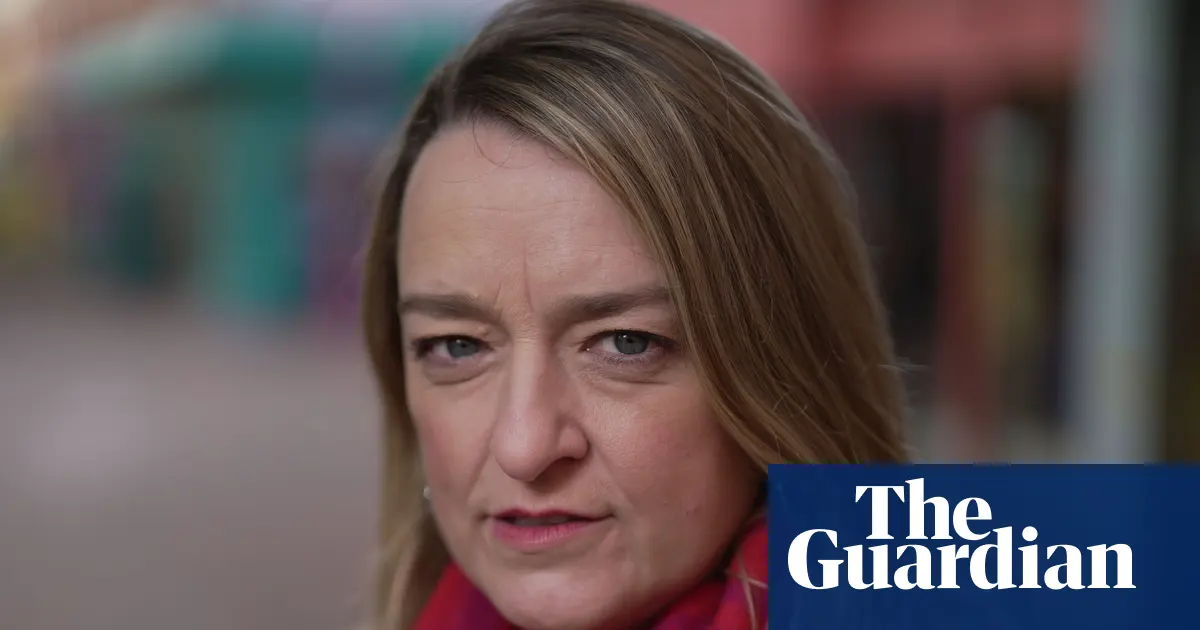
Laura Kuenssberg, the BBC's political editor, has long resisted writing a book. Despite facing hostility, she has generally refrained from voicing her frustrations. However, her new book, *Pay Attention*, marks a notable change as she expresses discontent not only towards politicians but also towards voters, whom she thinks should take their responsibilities more seriously. With experience covering Westminster since the late 2000s, she documents how the normalization of the abnormal in British politics has escalated.
Read More
Kuenssberg highlights that the previous bipartisan commitment to prevent racial tensions has eroded. She points to disturbing incidents in Belfast, where masked individuals target foreign-born residents, and notes that political figures like Nigel Farage downplay the dangers of far-right ideologies. She critiques the selection of candidates from multiple parties for council elections, emphasizing their troubling views. The rapid succession of prime ministers is yet another sign of dysfunction, coupled with criticism of Boris Johnson's behavior in office and Keir Starmer’s lack of a clear mandate despite significant electoral gains.
Her book maintains a serious tone, focusing on failed governance that has pushed British society towards radicalization, which she considers exceptional for the country. Kuenssberg describes a landscape where politicians fear telling the public hard truths, even though they are willing to discuss these issues off-camera. She contends that few politicians are seen as effectively managing government, as many express dissatisfaction with the status quo.
While examining the relationship between journalism and politics, she expresses concern about media's ability to hold politicians accountable amidst shrinking attention spans and superficial interviews that prioritize personal stories over policies. Kuenssberg scrutinizes tactics used by figures like Farage to evade difficult questions and observes similar strategies adopted by Jeremy Corbyn and others, advising readers to pay particular attention when politicians blame the media.
She also delves into the conditions that allowed figures like Farage to thrive, noting shifts in public sentiment regarding immigration over the past decade. Kuenssberg argues that the reaction to immigration crises was initially too slow, followed by exaggerated promises from politicians that ultimately fueled public perception of loss of control over the situation. This demonstration of her argument challenges her neutrality as a journalist.
Balancing her role as a BBC journalist and the need to convey a powerful message, Kuenssberg raises questions about whether she might be better off saving such revelations for a memoir that allows for greater expression. Some may find her critique moderate, especially as she highlights that ideas currently presented by parties like Reform and the Greens would have been considered extreme a decade ago. While she acknowledges the challenges faced by contemporary politics, she defends the importance of articulating these truths clearly, even if restoring sanity to the political landscape is still a tall order.