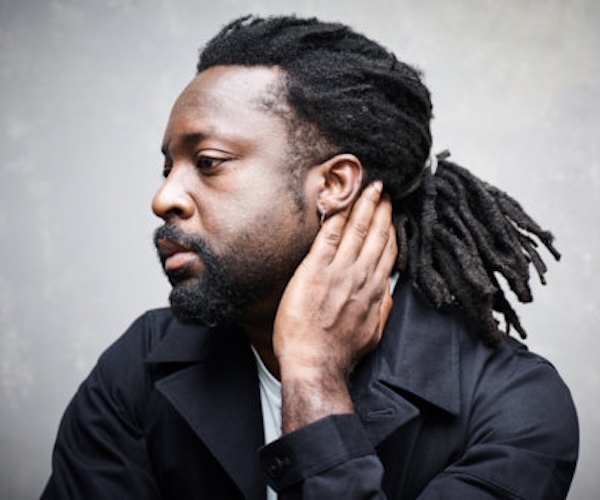
Marlon James’s latest novel, The Disappearers, provides a deep and often harrowing look at the lives of gay men in 1980s Kingston, Jamaica. This 640-page work, published by Riverhead Books, is currently shortlisted for both the Booker Prize and the National Book Award for Fiction. It marks James's first return to fictional Jamaica since his 2015 Booker Prize-winning novel, A Brief History of Seven Killings.
Read More
In The Disappearers, James immerses readers in the struggles of characters like Edmond "Eddy" Porteus and stage director Havelock Titus, who secretly rehearse the play Fortune and Men’s Eyes by Canadian playwright John Herbert. This controversial work engages with the psychosexual dynamics within a men's prison, reflecting the harsh realities and social pressures of the characters’ environment.
The narrative reveals a looming threat, as police violently disrupt their rehearsals, an event that leaves lasting repercussions for the characters. The extensive cast unfolds across decades, each dealing with the trauma of that fateful night in different ways, which keeps the story dynamic and engaging.
James portrays the duality of the characters’ lives. While they navigate external closeted lives, their internal experiences are vividly expressed through diaries, interviews, and letters. Music acts as a significant backdrop, providing comfort and identity amidst repression, with references to artists like Prince and Kurt Cobain serving to contextualize the characters’ struggles.
The narrative does not shy away from depicting the harsh realities of their existence, showcasing a sexual landscape fraught with danger. James writes about these intimate moments with raw immediacy, illustrating how societal constraints create an environment where ordinary self-consciousness turns into real fear. Acts of violence against these characters by their families and society serve to underline this grim reality.
The depiction of police brutality and societal homophobia is unflinching, with characters facing violence and retribution, heightening the novel's impact. The lyrical references to homophobic sentiments in reggae music, particularly in a song by Buju Banton, further emphasize the cultural backdrop that perpetuates this violence.
Despite the harsh themes, James retains a sense of Jamaica’s complex culture beyond its dark elements, contrasting with other voices, such as Safiya Sinclair’s memoir How to Say Babylon, which explores different facets of Jamaican identity and struggle. Yet, the stark reality remains that Jamaica continues to criminalize sex between men under an 1864 law.
James's masterful storytelling provides depth to marginalized voices, challenging readers to confront the realities of homophobia that persist both in Jamaica and beyond.