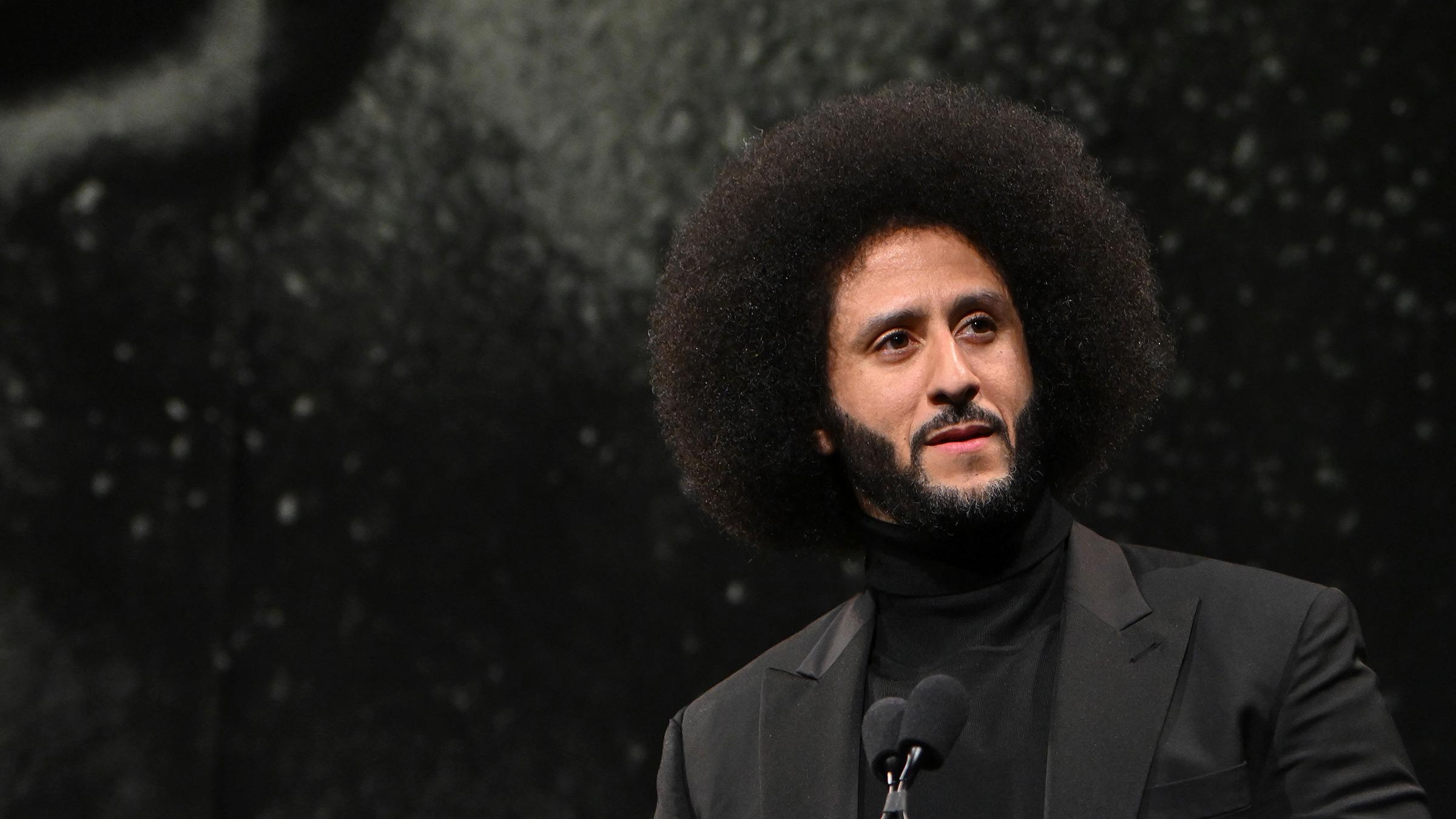
Colin Kaepernick, former quarterback for the San Francisco 49ers, began his protest against police violence and racial injustice in 2016 by sitting during the national anthem. This action sparked a national conversation about freedom of expression and patriotism. In his new memoir, *The Perilous Fight*, Kaepernick reveals that the protest was spontaneous, recalling that he hadn't thought about the anthem before he decided to sit on August 13, 2016. He cites historical figures like Rosa Parks, Muhammad Ali, and Tommie Smith as inspirations for taking a stand against social injustices.
Read More
Despite leading the 49ers to the Super Bowl in 2013, Kaepernick has not played in the NFL since the 2016 season. He settled a collusion lawsuit against the league in 2019. In a recent interview with *TIME*, Kaepernick explained that now, a decade after his protest began, he feels it is important to share his story amid ongoing questions about his actions and the NFL.
The memoir opens with a painful childhood experience involving racial hostility that Kaepernick felt uncomfortable discussing with his adoptive white parents. He conveyed that this incident set the stage for his life's journey and underscored the challenges he faced as a Black individual in predominantly white spaces.
Kaepernick refrained from giving extensive interviews during his protest years, believing it was crucial to allow multiple voices to join the movement rather than positioning him as its sole representative. He praised fellow athletes like Eric Reid, LeBron James, and Megan Rapinoe for their willingness to speak out.
Reflecting on threats he faced during his protests, Kaepernick cited incidents from the President's criticisms to threats sent to his home. Notably, he stayed at a manager's home during the 2016 season for safety reasons. Despite the threats, he stated he was not scared, attributing this to a mindset shaped by his football training.
He expressed concern that his situation could serve as a warning to other athletes about the consequences of speaking out. When asked if he had ever considered standing for the anthem to revive his NFL career, Kaepernick rejected the idea, emphasizing the importance of his principles over personal gain.
Kaepernick detailed interactions with various NFL teams, including the Seattle Seahawks and the Baltimore Ravens, indicating that political issues surrounding his protest overshadowed his football abilities during contract discussions.
The quarterback also discussed his views on policing, stating that the institution has not changed and continues to contribute to systemic issues faced by Black communities. He remains committed to advocating for abolition of the police, arguing that resources should be focused on benefiting communities.
On his relationship with Jay-Z, who partnered with the NFL while Kaepernick's protest was ongoing, Kaepernick expressed disappointment at how Jay-Z's actions undermined the protest's cause. Furthermore, he critiqued the NFL's recent philanthropic efforts as disingenuous public relations rather than meaningful change.
In conclusion, Kaepernick affirmed his readiness to return to the league, citing his ongoing commitment to training and preparation. As he navigates discussions about race and justice, he aims to be an example for the next generation and to foster open conversations with his daughter about the complexities of his experiences.