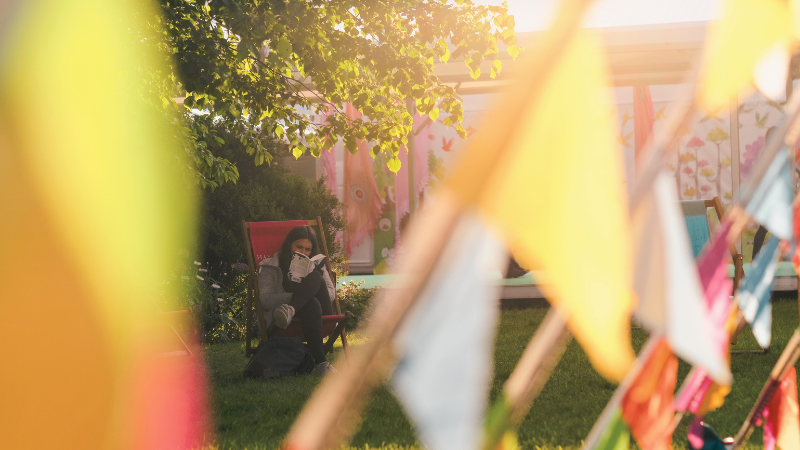
The health of a society can often be assessed by the freedom associated with its books. Societies that seek to control their populations often begin by restricting access to literature, while those promoting freedom expand access to books.
Read More
Books serve as vital mediums for communication, enabling ideas to span time and geography. They allow us to experience lives beyond our own, fostering remembrance, discourse, dissent, and imagination. This is especially poignant now, as the publishing industry faces significant changes.
Publishing, like other cultural sectors, is experiencing a transformative period. Costs related to paper, printing, and distribution have sharply risen. Many publishers and independent bookshops are operating with tight margins, and sales, after a post-pandemic surge, are now stabilizing in several markets.
Additionally, the methods through which readers discover books are evolving. Algorithms increasingly dictate visibility, and while social media can propel a book to fame overnight, it also risks narrowing focus to what's currently trending. The advent of artificial intelligence raises new challenges regarding authorship, intellectual property, and the valuation of human creativity.
Books are now in competition not only with one another but also with streaming services, gaming, podcasts, and other digital distractions. The pressing question remains: how can the industry ensure that books are still discovered, read, and discussed?
This highlights the significance of venues like the Hay Festival. While the London Book Fair facilitates global publishing transactions, festivals serve as communal gathering spaces for readers and authors. They create direct dialogue, allowing readers to engage with writers in real-time rather than through algorithms.
Readers play a critical role—they are essential to the life of a book. They bring stories to life through recommendations and discussions, transforming solitary acts of reading into collective experiences. Festivals promote this communal interaction, introducing attendees to authors they may not otherwise discover. They go beyond mere celebrations of literature; they expand readership and cultivate a shared cultural life.
In an age dominated by quick media, festivals offer a space for sustained attention. They gather individuals in a way that emphasizes listening, contemplation, and reflection, fostering meaningful conversations across diverse viewpoints. This stands in contrast to the often polarized nature of public discourse in contemporary society, where social media can prioritize outrage over nuance.
Freedom of expression is a fundamental pillar for both publishing and festivals. The ability to write, publish, and cultivate a vibrant literary culture is crucial; without these freedoms, societies lose essential tools for reflection and change. Currently, there are increasing global efforts to restrict books and limit the voices that reach readers, leading to cultural narrowing—what is often described as monoculture, a significant impediment to imagination.
Festivals thrive on the diversity of voices and perspectives, making them vibrant environments for creative collision. The electricity of a festival derives from differing ideas, prompting audiences to encounter the unfamiliar and stimulating curiosity. As observed at Hay Festival, where a diverse range of participants come together, the conversations foster intellectual engagement and lively discourse.
The relationship between publishers, book fairs, and festivals is vital; each plays a role in the circulation of literary culture. Publishers provide the content, book fairs facilitate international exchange, and festivals connect writers with readers. Together, they form a comprehensive system essential to the literary ecosystem.
As readers become co-creators of literature, they engage with ideas, challenge authors, and share stories. Hence, it is the collective responsibility of publishers, agents, booksellers, festival organizers, and writers to protect the ecosystems that encourage diverse ideas and freedom of expression. The narrowness of thought presents a greater threat to literature than technology itself.
To preserve the power of literature, it is essential to foster diverse voices and open dialogues. When book fairs and festivals operate in unison, they enable ideas to flow and societies to remain curious and innovative. Julie Finch, CEO of Hay Festival Global, underscored these sentiments in her keynote on March 12, 2026, at The London Book Fair, emphasizing the collective task to keep the literary conversation open, diverse, and fearless.