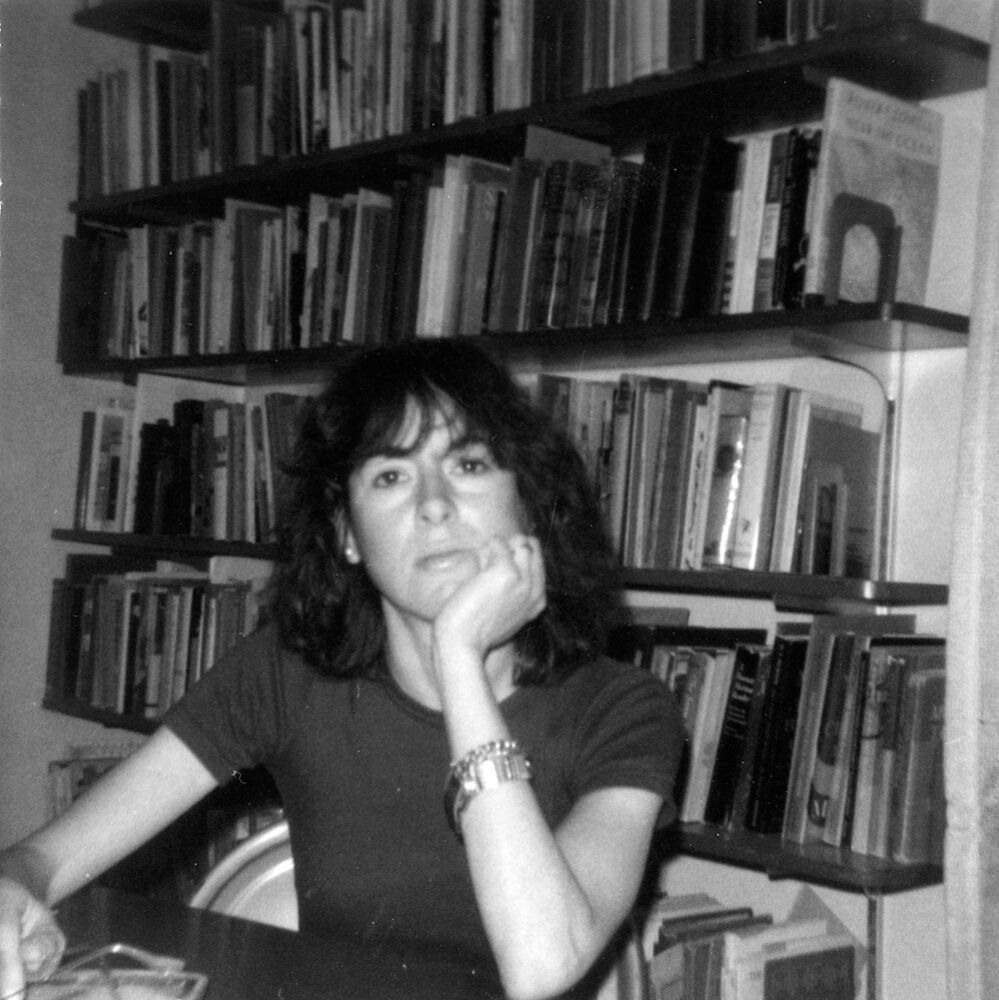
In remembrance of Louise Glück, we share an excerpt from her interview conducted by Henri Cole for the Winter issue of the Daily. This conversation offers a glimpse into her thoughts on poetry and life, alongside reflections published after her passing in October 2023.
Read More
In early March 2021, Glück visited Claremont McKenna College in Southern California. Due to COVID-19 concerns, she opted to avoid flying and traveled instead by car from Berkeley, where she rented a winter residence. During the six-hour journey, she brought snacks including pumpernickel bagels and apples, as well as music by Verdi, Brecht, and Brel. This car trip marked a rare return to such travel for Glück, who expressed joy in revisiting these operatic memories. At a farmers’ market in Claremont, she purchased nasturtiums and strawberries, openly discussing her battle with anorexia, acknowledging her profound love for food despite her past struggles.
Earlier that year, Glück received the Nobel Prize in Literature. After being informed of the honor by the Swedish Academy, she called her son Noah and close friends to share the news before it became public. Shortly thereafter, she faced a barrage of media inquiries, including questions about her frequent themes of mortality. The pandemic affected her medal presentation, which took place in the backyard of her Cambridge condominium. Despite the cold, she wore a striking outfit and received her medal in a brief ceremony performed by the Swedish consul general.
Glück's influences included poets such as Blake, Keats, Yeats, and Eliot, whose works she felt deeply communicated universal emotions. She viewed poetry as a means to convey personal and collective experiences, balancing emotional resonance with linguistic precision. Glück had offered insights into her work during her visit, enjoying a seminar against the backdrop of the San Gabriel Mountains and a lively reading session that resonated with students.
During the interview, Glück explained her writing process, discussing the balance between lyrical and narrative elements in her poetry. She described a vertical axis of despair and transcendence in her work, contrasting that with narratives carried within her communal poems. Glück expressed gratitude for her close friendships, stating they are central to her life and creative process. She reflected on her writing habits, admitting she avoids rigid schedules that induce anxiety, and instead writes when inspired by thoughts or phrases that come to her mind.
As she spoke about her collection, "Winter Recipes from the Collective," Glück confirmed that its themes and characters were largely fictional, drawn from her imagination rather than lived experiences. Although she incorporates elements of dreams into her work, she emphasized an instinctive approach to creativity, likening it to a bird gathering materials for a nest.
In the interview, both Glück's insights and her remarkable journey in poetry were captured, offering a poignant reminder of her lasting impact on the literary world.