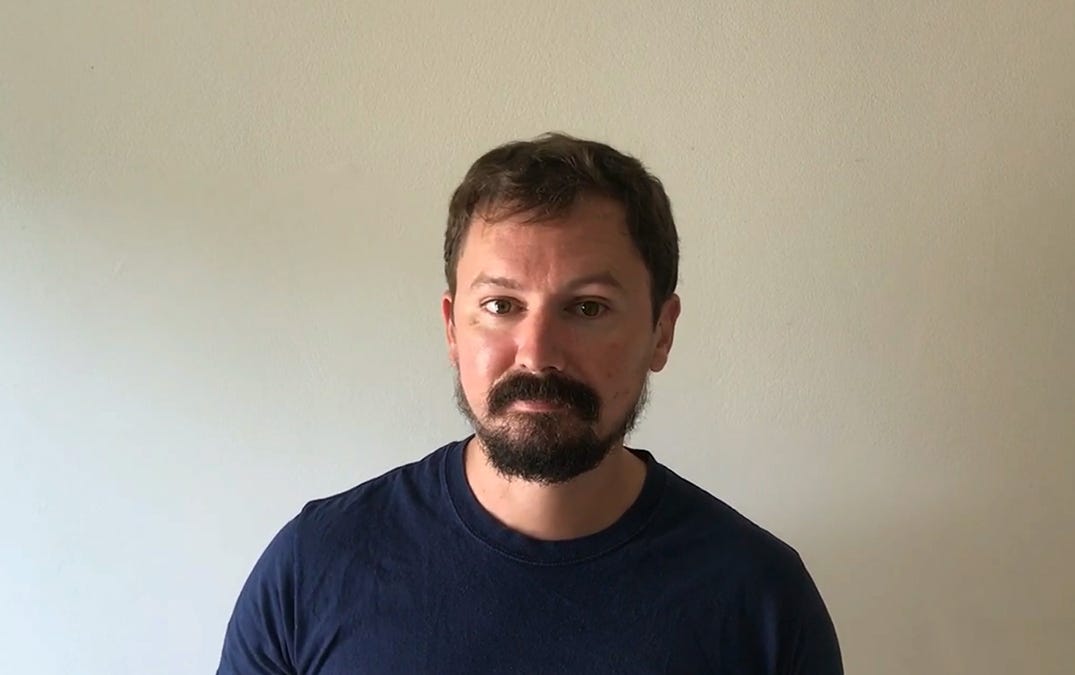
David S. Wills, the founder and editor of Beatdom, has played a crucial role in promoting Beat and countercultural studies through his literary journal and books. In an interview with Leon Horton, Wills discussed his entry into Beat literature and the evolution of Beatdom since its inception in 2007.
Read More
Wills first encountered the Beat Generation while studying American literature at the University of Dundee, where he was introduced to works by Jack Kerouac and William S. Burroughs. He described an early fascination with these authors, citing their mix of styles and themes as significant influences on his literary journey.
The idea for Beatdom emerged during a discussion with friends in a pub. While many of his friends lost interest, Wills persisted, immersing himself in research and writing. Initially, Beatdom was a colorful publication with a local focus, lacking substance. However, after time spent in the United States and further research, the journal shifted to a more substantial approach, allowing the content to mature into a serious literary journal.
Looking ahead, Wills emphasized an organic evolution for Beatdom, where contributions often shape future issues. He noted that since 2020, there has been a push for longer, better-researched essays, leading to a more focused journal that aims to fill gaps in knowledge concerning the Beat writers.
Wills also highlighted the significance of Allen Ginsberg, especially in light of the recent centennial edition of Beatdom, which explored Ginsberg’s substantial impact on literature and culture. He expressed that Ginsberg embodies a rarity among writers, garnering fervent admiration akin to that of rock stars.
On the relevance of the Beats today, Wills pointed out that their challenge to conformity and censorship resonates with current societal issues. He acknowledged that while some attitudes may appear dated, the essential spirit of the Beats continues to inspire those seeking authenticity in rapidly changing times.
Wills underscored that many misconceptions surround the Beats. He categorized the perceptions into three groups: those who dismiss them as undisciplined; academics who view them through a critical lens; and fans who regard them as almost saintly figures. He contended that the reality is far more complex, recognizing their myriad flaws and struggles.
Among lesser-known figures, Wills expressed admiration for Bob Kaufman, a poet who still requires more recognition within the Beat narrative. He advocates for more scholarship on other overlooked figures of the Beat Generation, emphasizing the need for engaging biographies.
In the realm of publishing, Wills founded Beatdom Books in response to requests from writers to publish their works. He noted that while some titles, particularly those directly related to the Beats, garnered more interest, the niche nature of Beat studies continues to present challenges in the market.
Wills acknowledged the gatekeeping surrounding literary legacies, where access to archives is sometimes restricted, hindering research and appreciation. He emphasizes that for a writer's legacy to endure, open access to research materials is essential.
Upcoming projects for Beatdom Books include innovative works challenging traditional narratives about notable figures, reflecting Wills' commitment to evolving scholarship within Beat literature. With plans to publish additional works focusing on lesser-known characters, Wills aims to broaden the discourse surrounding the Beat Generation.