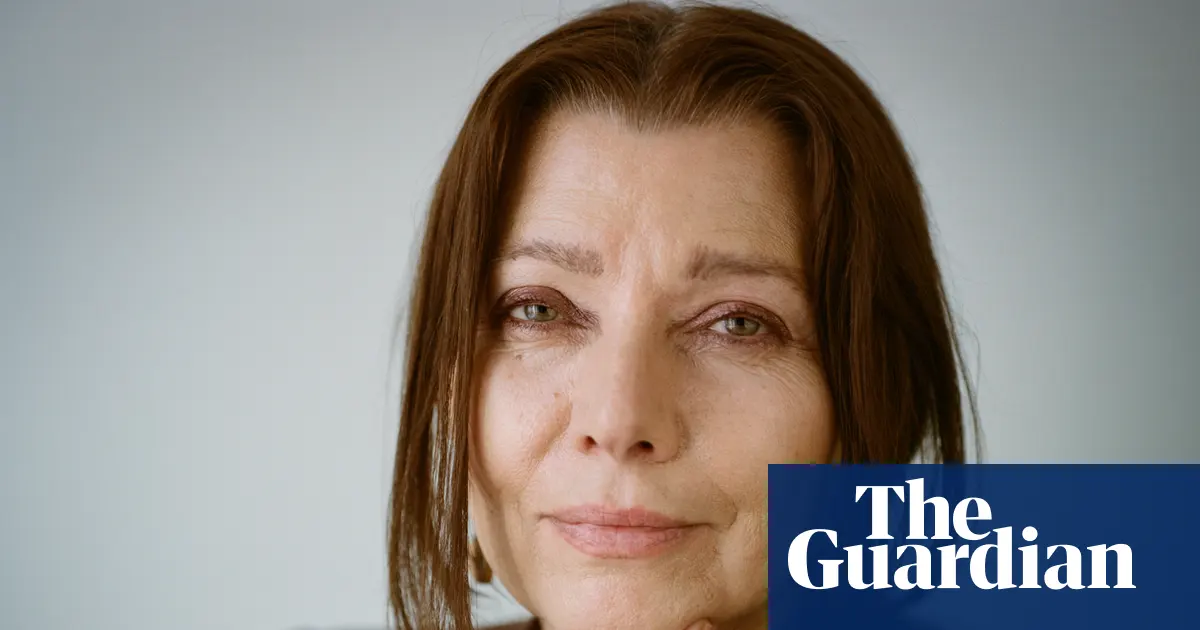
Elif Shafak, often regarded as Turkey’s most beloved author, has captivated readers for over two decades with her novels. Her recent works have garnered significant acclaim; her book, *There Are Rivers in the Sky*, released in 2018, became one of the best-selling literary novels in the UK last year. *The Island of Missing Trees*, set in both post-colonial Cyprus and contemporary London, was shortlisted for the Women’s Prize in 2022. Her novel *10 Minutes 38 Seconds in This Strange World*, which showcases the life of a murdered sex worker in Istanbul, was nominated for the Booker Prize in 2019. Shafak was elected president of the Royal Society of Literature in December 2021, further solidifying her status as a prominent literary figure.
Read More
In a 2017 TED Talk, which has garnered over 6.4 million views, Shafak described herself as an Istanbulite and a nomad with a global perspective. Her writing often intertwines themes of politics, history, feminism, and ecology, frequently infused with elements of magic realism.
Her latest novel, *In One Brief Moment All Eternity*, offers a fictionalized account of Gustave Flaubert's life. Shafak considers this work a love letter to literature, inspired partly by her own struggles with depression and anxiety. She asks whether writing holds value during times of chaos, a question stemming from her observations of global turmoil and personal challenges.
Shafak's narrative reinterprets Flaubert's experiences through the perspectives of various women in his life, a shift from the traditionally male-centric storytelling. The work delves into the connections between Flaubert and Shafak’s own life, highlighting themes of loneliness and the feeling of being an outsider. This parallel resonates deeply with her, reflecting her experiences as the daughter of Turkish parents born in France and raised with a blend of maternal influences.
Throughout her career, Shafak has faced considerable backlash over her writing, including persecution for her novel *The Bastard of Istanbul*, which addressed the Armenian genocide. Despite this, she embraces her readers' love for her books in Turkey, where novels often serve as community treasures rather than personal possessions.
She has not returned to Turkey for over a decade, citing the need for creative freedom as a driving factor behind her self-imposed exile in the UK. Shafak describes writing as a process fraught with self-doubt and anxiety, noting that each completed work brings a sense of loss rather than pride due to the deep bonds formed with her characters.
Despite her introverted nature, Shafak finds joy in literary festivals, emphasizing the importance of women’s voices in public life. Her commitment to literature stems from its power to create democratic spaces for dialogue and understanding—an antidote to the rushed nature of modern communication. Shafak firmly believes in the universality of storytelling, marking it as a shared aspect of humanity that transcends boundaries.