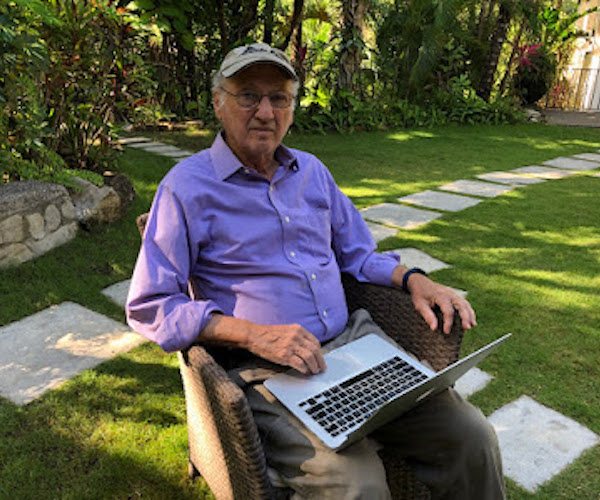
Fred Waitzkin, known for his memoir Searching for Bobby Fischer, is discussing his latest work, Strange Love, which showcases his unique storytelling style that blurs the lines between fiction and nonfiction. While his earlier work on chess remains well-recognized, Waitzkin’s other publications have not garnered the same level of fame. He shared an anecdote about the release of his memoir, recalling that his editor warned him about the challenges of book sales, stating that books have a shelf life shorter than yogurt. Despite this, he noted that his memoir has enjoyed remarkable success over the years and currently ranks highly on Amazon.
Read More
Following Searching for Bobby Fischer, Waitzkin authored Mortal Games, a profile on Garry Kasparov, further contributing to literature on chess. This body of work provides rich insights into the chess world, combining personal narratives with captivating accounts of championship matches and player intricacies.
Waitzkin’s fiction often revolves around themes of heroism and explores complex characters. His previous novel, The Dream Merchant, featured an eccentric protagonist and delved into the effects of aging, while Strange Love presents a narrative focusing on Rachel, a gifted storyteller living in isolation in Costa Rica. The story depicts her influence on a once-prominent novelist who has lost his muse, highlighting Rachel's creativity and strength.
In this latest novel, the narrative style shifts to a more cinematic approach, filled with short sentences that propel the story forward. Through this character progression, Waitzkin appears to have reinvented his writing style, mirroring the evolution of his characters.
When asked about his attraction to chess, Waitzkin recounted the 1972 world championship match between Bobby Fischer and Boris Spassky, which captivated him and fueled his interest in the game. Although he experimented with playing chess, he found himself stepping back from the game after a humbling defeat during his early attempts.
While reflecting on his literary journey, Waitzkin mentioned how his characters often integrate elements of reality, enhancing the storytelling experience. This method has allowed him to move fluidly between fiction and nonfiction while maintaining authenticity in his writing. He expressed admiration for the vibrancy of his characters, emphasizing the importance of personal attachment to the stories he tells.
Looking ahead, Waitzkin feels a mix of excitement and anxiety about future projects, often haunted by the fear of not being able to write another book. He aims to create stories that resonate deeply with him, sparked by encounters or compelling narratives that inspire his work.
Harvey Blume, an author and contributor to Arts Fuse, conducted this interview as part of an ongoing effort to promote critical discussions on literature.