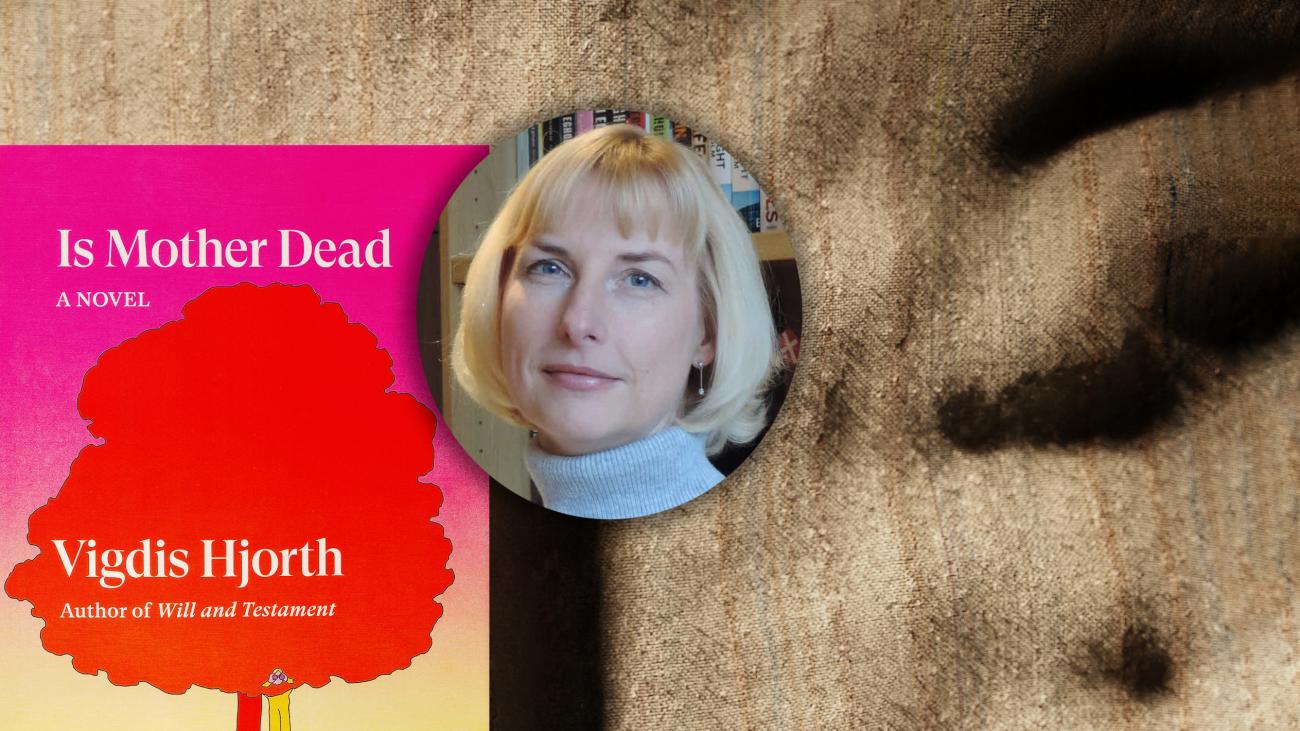
Charlotte Barslund draws inspiration for her translations from a wide range of sources, including novels, poetry, newspapers, TV shows, and social media. She becomes deeply immersed in the novels she translates, often picking up words or phrases that encapsulate ideas essential to her work. Barslund believes that language is always changing, and she finds new ideas in her readings as well as in conversations and everyday experiences.
Read More
Her journey to becoming a translator of literary fiction began with a passionate love for reading during her childhood. As the first person in her family to attend university, she faced initial doubts about a translating career. However, after gaining experience in theatre and translating various texts, she felt prepared to take on novel translations. She advises aspiring translators to read extensively, immerse themselves in the language, and live in the corresponding country to better grasp its culture. Understanding an author’s intent rather than just their words is crucial in her work, and sufficient life experience is essential for making these nuanced interpretations.
Barslund emphasizes the importance of celebrating translated fiction for its ability to connect us all. She points out that a Norwegian writer discussing universal themes, like parent-child relationships, can resonate across cultural divides, showing shared human experiences. Her translation of the book Is Mother Dead has reached a wider audience, despite Norwegian being spoken by only about five million people.
When asked about three influential works of fiction, she names Christopher Hampton’s adaptation of Les Liaisons Dangereuses, which teaches critical lessons on what to include and exclude in translation. She also cites Peter Høeg’s Miss Smilla’s Feeling for Snow, which she read in Danish and recognized the high skills required for effective translation. Lastly, she includes the King James Bible, noting its significant impact on the English language and the beauty of its translation.