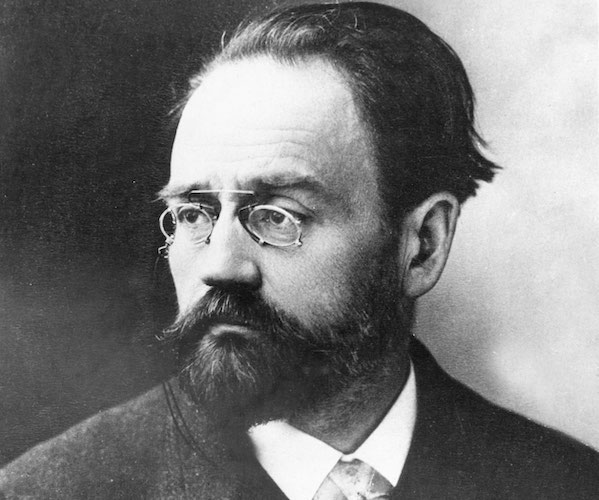
In a recent interview, translator Brian Nelson explored the significance of reading Émile Zola today and the impact of new, unabridged translations of his works. Nelson emphasized Zola's relevance, stating that his portrayal of society's influence on individuals captures essential aspects of the human condition in the modern world.
Read More
Brian Nelson first became interested in Zola after reading Angus Wilson's critical study in the late 1960s. Wilson depicted Zola as a fierce critic of societal norms, portraying him as a champion of truth and a vocal opponent of the privileged. This initial exposure inspired Nelson to delve into Zola's major works, such as L’Assommoir, La Terre, and Germinal, although he found early English translations lacking.
For decades, many English translations of Zola were bowdlerized, diluting the rawness of his narratives. Recent releases by Oxford University Press (OUP) now offer uncut versions of the complete Rougon-Macquart series, allowing English readers to experience Zola’s full artistry. The final volume, Doctor Pascal, was published late last year. Nelson praised these new translations for their fidelity to Zola’s original text and their ability to present his multifaceted voice.
When questioned about how these translations influence the perception of Zola, Nelson explained that they reveal the depth of Zola’s social critiques. He addressed the impact of societal factors such as class and gender relations in his work, noting that reading unabridged texts allows a fuller understanding of Zola's literary and radical vision.
Nelson stated that Zola remains a vital figure in literature for his depictions of social transformation, especially in light of today's issues which resonate with those of the 19th century. He described Zola’s commitment to truth in art as foundational to understanding his writing.
Regarding specific themes in Zola’s work, Nelson highlighted the nuanced portrayal of women and the complexity of Zola's views on gender dynamics, alongside his engagement with broader socio-political issues like nationalism, notably seen in his defense of Alfred Dreyfus.
Nelson pointed out that Zola’s novels have inspired numerous film adaptations, showcasing their cinematic potential. Their rich visual imagery and themes of observation align well with film storytelling techniques. He also addressed the themes of race and empire in Zola's works, indicating that while they are not central to the Rougon-Macquart series, they reflect his broader engagement with social issues.
In conclusion, Nelson noted the revitalized interest in Zola due to the OUP translations, acknowledging their role in bringing Zola's work to a new audience. He advocated for greater attention to specific novels like Earth and Money, which remain strikingly relevant to contemporary conversations about society and finance.